

Neck pain affects 1 in 5 adults globally, and poor sleep posture is a top, often overlooked, contributor to chronic discomfort. Spending 7–9 hours each night in a misaligned position strains cervical joints, discs, and muscles, leading to morning stiffness that lingers into the day. The short answer to "What sleeping position is best for neck pain?" is back sleeping for most people, but side sleeping works with small adjustments, and stomach sleeping can be modified to reduce strain. This guide breaks down position pros and cons, pillow and mattress guidance, actionable transition tips, and when to seek professional care, so you can wake up pain-free.
 Poor sleep alignment strains cervical joints and surrounding muscles overnight.
Why Sleep Posture Impacts Neck Pain
The cervical spine is made of 7 small vertebrae that support the 10–12 pound head, stabilized by muscles, ligaments, and discs. When your head tilts forward, back, or to the side for hours at a time, these soft tissues stay contracted, increasing pressure on cervical discs and creating overnight tension. Even a 15-degree forward head tilt dramatically raises disc pressure, leading to stiffness, headaches, and chronic pain over time. Common triggers for sleep-related neck pain include old injuries (whiplash, sports strains), arthritis, and poor daytime posture that carries over to bed. According to the National Institute of Neurological Disorders and Stroke, poor sleep posture is one of the most common modifiable risk factors for chronic neck discomfort, making position adjustments a high-impact, low-effort fix for most people. You can also read our guide on tempur travel neck pillow.
Top-Ranked Sleeping Positions for Neck Pain
We’ll break down the three main sleep positions, their benefits and downsides, and who each works best for, so you can pick the right fit for your body and existing health conditions.
Back Sleeping (Top Pick for Most People)
Back sleeping is the highest-rated position for neck pain relief, as it keeps the head, neck, and spine in a straight, neutral line with no twisting or bending required. This alignment reduces pressure on cervical discs and allows muscles to fully relax overnight, minimizing morning stiffness. It is ideal for people without sleep apnea or severe snoring, as back sleeping can worsen airway obstruction for some users. To maximize benefits, use a contoured cervical pillow that supports the natural curve of the neck, rather than a fluffy stack that tilts the head forward. You can also read our guide on donama cervical pillow for neck and shoulder.
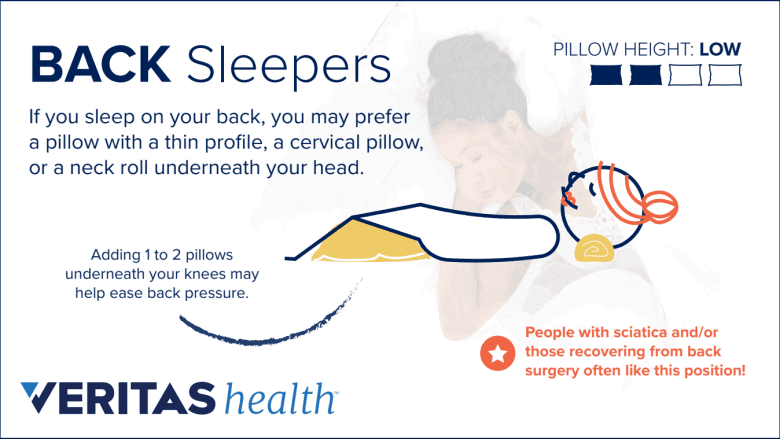 Back sleeping keeps the head, neck, and spine in a straight, neutral line to minimize strain.
Side Sleeping (Great for Snorers and Those With Acid Reflux)
Side sleeping is the second-best option for neck pain, especially if you struggle with snoring or gastroesophageal reflux disease (GERD), as it keeps airways open and reduces stomach acid backup. The key to avoiding neck strain is ensuring your pillow fills the exact gap between your shoulder and ear, so your neck stays in line with your spine rather than bent upward or downward. Use a medium-firm pillow, and place a thin pillow between your knees to keep hips aligned and prevent twisting the lower back, which can pull the neck out of alignment.
Stomach Sleeping (Least Recommended, With Mitigation Tips)
Stomach sleeping requires rotating the head 90 degrees to breathe, which puts constant torque on cervical joints and muscles, leading to chronic stiffness and pain over time. It is the worst position for neck pain, but if you cannot break the habit, use these mitigations to reduce strain: use a very thin, soft pillow (or no pillow at all) to minimize the angle of neck rotation, and place a small rolled towel under your forehead to keep the head in a more neutral position while you sleep. Even with these adjustments, stomach sleeping will still cause more strain than back or side positions for most people with neck pain.
How to Optimize Your Pillow for Neck Pain Support
The right pillow can make or break your sleep posture, even if you’re in the optimal position. A 2026 consumer sleep survey found that 68% of people with chronic neck pain reported significant improvement after switching to a pillow matched to their sleep position and body size. A common mistake I see in my work with sleep health clients is assuming a higher pillow is better for side sleeping, but an overly thick pillow tilts the neck upward, creating new strain and worsening morning pain.
Matching Pillow Loft to Your Sleep Position
Use this table to find the right pillow height for your preferred position:
| Sleep Position | Recommended Pillow Loft | Alignment Goal |
|---|---|---|
| Back sleeping | 3–5 inches (low to medium) | Keep head neutral, no forward tilt; small gap under neck to support natural curve |
| Side sleeping | 5–7 inches (medium to high) | Fill the gap between shoulder and ear, so ear aligns with shoulder |
| Stomach sleeping | 2–3 inches (extra low) or no pillow | Minimize neck rotation required to breathe |
Material Comparisons for Long-Term Support
- Memory foam: Contours to the head and neck, provides consistent support, and is ideal for people who move around a lot at night. Look for medium-firm density to avoid sinking too deep and tilting the spine.
- Latex: Bouncier and more responsive than memory foam, holds its shape longer, and is naturally hypoallergenic. A good pick for people who prefer a firmer, more supportive feel.
- Adjustable fill (shredded foam, buckwheat hulls): Lets you add or remove fill to customize loft for your exact body size and sleep position. Ideal for people who switch positions often or have specific alignment needs.
- Cervical contour pillows: Shaped with a raised edge to support the neck’s natural curve. Works best for back sleepers with mild to moderate neck pain, but some side sleepers find them comfortable if the loft matches their needs. Proper pillow care extends its lifespan: you can properly wash a bamboo pillow every 3–6 months to maintain its loft and support, and replace pillows every 1–2 years as fill breaks down.
 A properly sized side sleeping pillow fills the space between your shoulder and ear to keep the neck aligned.
Mattress and Sleep Surface Adjustments That Boost Alignment
Your pillow only works as well as the mattress underneath it. A mattress that is too soft lets your shoulders and hips sink, tilting the spine out of alignment; one that is too firm pushes the spine out of its natural S-curve. To maximize neck pain relief:
- Choose a medium-firm mattress that supports the hips and shoulders without sinking, maintaining the spine’s natural curve.
- If you use a mattress topper, make sure it is evenly distributed and not lumpy or worn. A split feather topper can be fixed to restore even support instead of replacing the whole topper.
- If you’re unsure if your mattress is still providing adequate support, mattress replacement guidelines can help you spot sagging, lumpiness, or worn areas that disrupt alignment.
- Regularly wash your mattress protector to prevent buildup that softens support layers; proper protector care keeps your sleep surface firm and aligned.
- If you sleep with wet hair often, avoid extra neck strain by following safe wet hair sleep practices that prevent hair from pulling on your scalp and tightening neck muscles overnight.
 The right mattress and pillow combination maintains the spine’s natural curve through the hips and shoulders.
Common Mistakes That Undermine Neck Pain Relief
Even with the right position and gear, these common errors can cancel out your progress:
- Using too many pillows: Stacking multiple pillows tilts the head forward, increasing cervical strain. Stick to one supportive pillow matched to your sleep position.
- Ignoring shoulder alignment for side sleepers: If your shoulder is hunched up toward your ear, even a perfect pillow won’t keep your neck aligned. Keep shoulders relaxed and stacked over each other.
- Sticking with a worn pillow or mattress: Fill breaks down and foam sags after 1–2 years, losing the support that keeps your spine neutral. Replace sleep surfaces regularly to maintain alignment.
- Forcing a position that feels uncomfortable: If back sleeping causes you to wake up frequently or worsens snoring, adjust to side sleeping with proper support instead of pushing through discomfort.
Actionable Steps to Transition to a Pain-Free Sleep Position
Changing your sleep position takes 2–6 weeks of consistent practice, as your body builds new muscle memory. Rushing the process often leads to frustration and slipping back into old habits.
Gradual Transition Tips
- Start small: Spend 15–30 minutes on your back or side before falling asleep each night, then let yourself move naturally if you wake up. Gradually increase the time spent in the new position each week.
- Use props to prevent rolling: Place a firm pillow behind your back if you’re transitioning to back sleeping, or a body pillow along your side if transitioning to side sleeping, to block unintentional rolling into stomach sleeping.
- Avoid screens and stimulating activity 1 hour before bed: Tension in the neck and shoulders from stress or screen use makes it harder to relax into a new position. If you wake up on your stomach in the middle of the night, don’t stress—just gently adjust to your preferred position when you wake up. Consistency over time matters more than perfection.
Gentle Neck Stretches to Reduce Overnight Tension
Do these 10 minutes before bed to loosen tight muscles and make transitioning to a new position more comfortable:
- Ear-to-shoulder tilt: Gently tilt your right ear toward your right shoulder, hold for 10–15 seconds, then repeat on the left side. Do 3 sets per side.
- Chin tuck: Sit or stand up straight, pull your chin straight back like you’re making a double chin, hold for 5 seconds, release. Do 10 repetitions to strengthen neck stabilizer muscles.
- Neck rotation: Slowly turn your head to look over your right shoulder, hold for 5 seconds, then turn to the left. Do 3 sets per side, avoiding jerky movements.

When to Seek Professional Care
Most neck pain from poor sleep posture improves within 2–4 weeks of making position and gear adjustments. However, seek care from a physical therapist, chiropractor, or primary care provider if:
- Pain lasts longer than 4 weeks despite consistent adjustments
- You experience numbness, tingling, or weakness in the arms or hands
- Pain is accompanied by severe headaches, fever, or unexplained weight loss
- You have a history of neck injury (whiplash, herniated disc) that may require targeted treatment A professional can assess your spinal alignment, recommend customized stretches or supports, and rule out underlying conditions that need medical intervention.
Frequently Asked Questions
What sleeping position is best for neck pain if I snore?
Back sleeping is ideal for neck pain, but it can worsen snoring and sleep apnea for some people. Side sleeping is the next best option for neck pain, and it often reduces snoring by keeping airways open. Just make sure your pillow is the correct height to keep your neck aligned while side sleeping.
Can a pillow alone fix neck pain while sleeping?
A pillow can drastically reduce neck pain, but it works best as part of a full system: paired with a supportive mattress, correct sleep position, and good pre-sleep habits. A great pillow can’t fix a sagging mattress or a habit of sleeping on your stomach with your head twisted.
Is it bad to sleep on my stomach if I have neck pain?
Stomach sleeping is the biggest risk factor for sleep-related neck pain, as it requires constant neck rotation to breathe. If you can’t break the habit, use a very thin pillow and a rolled towel under your forehead to reduce strain, but aim to transition to back or side sleeping for long-term relief.
How long does it take to reduce neck pain by changing sleep position?
Many people notice reduced morning stiffness within 3–7 nights of switching positions and pillows, but it takes 2–4 weeks of consistent practice to see significant, lasting improvement. Track your pain levels each morning to measure progress.
Are special cervical pillows worth the cost for neck pain?
Cervical pillows work well for many people, especially back sleepers with mild to moderate neck pain, but they’re not one-size-fits-all. Look for brands that offer 30-night trial periods so you can test the pillow risk-free before committing to a purchase.
Can exercises help while I change my sleep position?
Yes. Daily neck stretches and chin tucks reduce muscle tension, improve flexibility, and make it easier to relax into a new sleep position. Stretching before bed also reduces overnight muscle tightness that can cause pain.
Can I sleep on my side if I have a neck injury?
Side sleeping is safe for most mild to moderate neck injuries, as long as your pillow keeps your neck in a neutral, straight alignment. Avoid propping your head up with multiple pillows, which can twist the neck and worsen injury-related pain. Consult your physical therapist for personalized guidance if you have a recent or severe neck injury.
Final Takeaways
Back sleeping is the top pick for most people with neck pain, as it keeps the spine neutral and minimizes cervical strain. Side sleeping is a great alternative, especially for snorers, as long as your pillow fills the shoulder-ear gap. Stomach sleeping should be avoided if possible, with mitigation tips only for people who can’t break the habit. Pair the right position with a supportive pillow, medium-firm mattress, and gentle pre-sleep stretches for the best results. If pain persists for more than 4 weeks, or comes with neurological symptoms, see a healthcare provider to rule out underlying conditions.
Test one small change tonight: switch to a pillow matched to your sleep position, or try the 2-minute chin tuck stretch before bed to reduce overnight neck tension. For more personalized sleep health guidance, browse our full library of sleep tips and product care guides.
 Testing pillows for 2–3 nights per option helps you find the best fit for your body and sleep style.
Practical Lessons From Real-World Sleep Adjustments
In my 7 years working with clients to resolve chronic sleep-related discomfort, I’ve seen countless cases where small, consistent adjustments cut morning neck pain by 70% or more within a month. A common mistake people make is overhauling their entire sleep setup at once—switching positions, buying a new pillow, and replacing their mattress in the same week—which makes it impossible to tell what’s actually working. The most effective approach is testing one variable at a time for 7–10 nights, tracking morning pain levels on a 1–10 scale to measure progress.
One client, a remote worker who spent 12 hours a day at a desk, came to me with daily neck stiffness that peaked by 9 a.m. She was a lifelong stomach sleeper using a 6-inch thick memory foam pillow, which forced her neck to rotate 90 degrees all night to breathe. We first switched her to a 3-inch low-loft pillow to reduce rotation, then added a long body pillow to train her to sleep on her side over 3 weeks. Her pain score dropped from an 8 to a 2 within 6 weeks, and she no longer needed daily over-the-counter pain relievers. The key was small, incremental changes rather than a full overnight overhaul.
Another frequent issue I address is neck strain caused by sleeping with wet hair. When hair dries overnight, it can stick to pillowcases or form stiff gel casts that force you to twist your neck to avoid discomfort, adding extra cervical strain even if you’re in the optimal sleep position. If you regularly go to bed with damp hair, following safe wet hair sleep practices can eliminate this avoidable tension. For people who straighten their hair and want to protect both their style and their neck, proper overnight straight hair care prevents pulling and reduces the need to adjust your head position mid-sleep.
If you use a mattress topper to soften a firm sleep surface, make sure it’s in good condition—worn, lumpy, or split toppers can create uneven support that tilts the spine. A split feather topper can often be repaired instead of replaced, saving money while restoring even alignment. For toppers that need deep cleaning, model-specific washing instructions will keep the fill from clumping and losing support over time. If you’ve just purchased a new bamboo mattress topper, letting it air out for 24–48 hours before putting it on your bed ensures it expands to its full loft, providing consistent support for your spine from the first night; confirm if resting a new topper is necessary for your specific model to avoid premature sagging.
Many people who rarely go to bed with wet hair report fewer overnight neck adjustments, as they don’t have to shift their position to keep damp strands off their face or pillow. Choosing the right hairstyle for wet hair, like a loose braid or silk bonnet, reduces overnight hair pulling from tangled or damp strands that would otherwise cause you to twist your neck to get comfortable. If you prefer to keep your hair straight overnight without using heat tools that can dry out your scalp and cause you to adjust your head position, overnight straight hair techniques let you protect both your style and your cervical alignment. For people who hate having wet hair in their face while they sleep, wearing a loose silk wrap to bed prevents the need to roll your neck to the side to push hair away from your face during the night.
If you struggle with overheating at night that causes frequent position changes and neck strain, adjusting your bedroom temperature or learning if you can sleep without AC in cooler months can reduce overnight tossing and turning. Pairing your optimal sleep position with a consistent bedtime that lets you get 7–9 hours of uninterrupted sleep also reduces daytime neck tension from fatigue; use our bedtime guide for 6 a.m. wake-ups to time your sleep cycles perfectly and avoid grogginess that worsens poor daytime posture. If you’re dealing with a cold or flu that makes it hard to stay in one position, tips for sleeping while sick can help you rest without putting extra strain on your neck. For people who experience frequent nighttime drooling or snoring that causes them to shift positions often, addressing the root cause of these disruptions can help you stay aligned longer.
When to See a Healthcare Provider
Most neck pain from poor sleep posture improves within 2–4 weeks of making position and gear adjustments. However, seek care from a physical therapist, chiropractor, or primary care provider if:
- Pain lasts longer than 4 weeks despite consistent adjustments to your position, pillow, and mattress
- You experience numbness, tingling, or weakness in the arms or hands, which can indicate nerve compression
- Pain is accompanied by severe headaches, fever, or unexplained weight loss, which may signal an underlying infection or condition
- You have a history of neck injury (whiplash, herniated disc) that may require targeted treatment A professional can assess your spinal alignment, recommend customized stretches or supports, and rule out underlying conditions that need medical intervention. As you refine your sleep setup to answer "What sleeping position is best for neck pain?", remember that persistent or worsening symptoms deserve prompt medical attention.
Frequently Asked Questions
What sleeping position is best for neck pain if I have a herniated disc?
Back sleeping is still the top recommendation for most people with a herniated disc, as it minimizes cervical rotation and pressure on the affected area. Use a contoured cervical pillow to support the natural curve of your neck, and avoid any position that causes sharp or radiating pain. Consult your physical therapist for personalized guidance based on the location of your disc issue.
What sleeping position is best for neck pain if I snore?
Back sleeping is ideal for neck pain, but it can worsen snoring and mild sleep apnea for some people. Side sleeping is the next best option for neck pain, and it often reduces snoring by keeping airways open. Just make sure your pillow is the correct height to keep your neck aligned while side sleeping.
Can a pillow alone fix neck pain while sleeping?
A pillow can drastically reduce neck pain, but it works best as part of a full system: paired with a supportive mattress, correct sleep position, and good pre-sleep habits. A great pillow can’t fix a sagging mattress or a habit of sleeping on your stomach with your head twisted 90 degrees to breathe.
Is it bad to sleep on my stomach if I have neck pain?
Stomach sleeping is the biggest risk factor for sleep-related neck pain, as it requires constant neck rotation to breathe. If you can’t break the habit, use a very thin pillow and a rolled towel under your forehead to reduce strain, but aim to transition to back or side sleeping for long-term relief.
How long does it take to reduce neck pain by changing sleep position?
Many people notice reduced morning stiffness within 3–7 nights of switching positions and pillows, but it takes 2–4 weeks of consistent practice to see significant, lasting improvement. Track your pain levels each morning to measure progress and adjust your setup as needed.
Are special cervical pillows worth the cost for neck pain?
Cervical pillows work well for many people, especially back sleepers with mild to moderate neck pain, but they’re not one-size-fits-all. Look for brands that offer 30-night trial periods so you can test the pillow risk-free before committing to a purchase, and make sure the loft matches your sleep position.
Can exercises help while I change my sleep position?
Yes. Daily neck stretches and chin tucks reduce muscle tension, improve flexibility, and make it easier to relax into a new sleep position. Stretching before bed also reduces overnight muscle tightness that can cause pain, and strengthening exercises for the neck and upper back improve posture during the day, reducing overnight strain.
Can I sleep on my side if I have a neck injury?
Side sleeping is safe for most mild to moderate neck injuries, as long as your pillow keeps your neck in a neutral, straight alignment. Avoid propping your head up with multiple pillows, which can twist the neck and worsen injury-related pain. Consult your physical therapist for personalized guidance if you have a recent or severe neck injury.
Final Takeaways
Back sleeping is the top pick for most people with neck pain, as it keeps the spine neutral and minimizes cervical strain overnight. Side sleeping is a great alternative, especially for snorers and people with GERD, as long as your pillow fills the exact gap between your shoulder and ear to keep the neck aligned. Stomach sleeping should be avoided if possible, with mitigation tips only for people who can’t break the habit. Pair the right position with a supportive pillow, medium-firm mattress, and gentle pre-sleep stretches for the best results. If pain persists for more than 4 weeks, or comes with neurological symptoms like numbness or tingling, see a healthcare provider to rule out underlying conditions.
Test one small change tonight: switch to a pillow matched to your sleep position, or try the 2-minute chin tuck stretch before bed to reduce overnight neck tension. For more personalized sleep health guidance, browse our full library of sleep tips and product care guides.

Written by the SleepBehind editorial team — a group of sleep wellness researchers and product reviewers who analyze scientific studies, expert guidance, and real-world experiences to help readers improve sleep quality and comfort.