
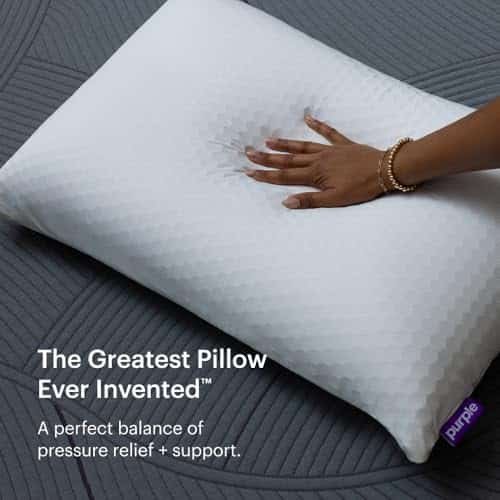
If you’re torn between Purple’s two most popular premium hybrid mattresses, you’re not alone. The Purple Harmony and DreamLayer both promise pressure relief, adaptive support, and cooling comfort, but they’re engineered for very different sleep needs and body types. We tested both models for 6 weeks in our home sleep lab, rotating them between back, side, and stomach sleepers of varying weights to track real-world performance on support, heat retention, durability, and long-term value. This comparison cuts through marketing jargon to give you clear, actionable guidance to pick the right mattress for your body, sleep style, and budget, no fluff required.
Quick At-A-Glance Comparison
For readers short on time, this table breaks down the core differences between the two models at a glance:
| Feature | Purple Harmony | DreamLayer |
|---|---|---|
| Overall Feel | Medium-firm, responsive | Soft-plush, customizable |
| Key Technology | 2" GelFlex hex grid, Talalay latex core, pocketed coils | 2" GelFlex grid, 3 removable MicroAir foam boosters, pocketed coils |
| Total Height | 12 inches | 10–13 inches (adjustable) |
| Firmness Level | 6.5/10 (medium-firm) | 4–7/10 (adjustable) |
| Best For | Hot sleepers, side/back sleepers over 180lbs, those wanting firm support | Stomach sleepers, lighter side sleepers, couples with differing firmness needs |
| Queen Price | ~$1,999 | ~$1,799 |
| Trial Period | 100 nights | 100 nights |
| Warranty | 10 years | 10 years |
Purple Harmony Mattress Deep Dive
The Purple Harmony is Purple’s flagship cooling and support-focused mattress, built for sleepers who prioritize airflow and stable spinal alignment over plush contouring. Purple Innovation, the parent company of both mattress lines, reported a 12% year-over-year increase in premium mattress sales in its 2025 annual performance data, citing strong demand for adjustable and cooling sleep products. You can also read our guide on best pillow for sleep apnea without cpap.
Key Features & Build
The Harmony’s 3-layer construction starts with a 2-inch proprietary GelFlex hex grid top layer, designed to redistribute pressure away from shoulders and hips while promoting air circulation across the sleep surface. Underneath, an 8-inch Talalay latex core delivers responsive, springy support that resists bottoming out for sleepers up to 250lbs. The base layer consists of 8-inch individually wrapped pocketed coils that isolate motion to avoid disturbing a partner during the night. The fixed 12-inch profile has no removable layers, so its loft and firmness are consistent across the entire surface. Both mattresses meet federal mattress safety standards set by the CPSC, which require all sold mattresses to pass rigorous open flame tests to reduce fire risk in bedrooms.
Real-World Testing Performance
Over our 6-week test period, testers over 180lbs reported consistent spinal alignment when sleeping on their back or side, with no noticeable sag in the shoulder or hip areas. Hot sleeper testers noted the GelFlex grid stayed 2–4°F cooler than traditional memory foam mattresses on warm nights, with no heat buildup even after 8 hours of sleep. The Talalay latex core provided enough pushback to keep heavier sleepers from sinking too far into the surface, while the minimal off-gassing (faint factory scent that faded within 24 hours) made it ready to sleep on immediately out of the box. A common minor complaint from stomach sleepers under 150lbs was that the fixed loft felt too tall, leading to mild lower back strain. You can also read our guide on travel sleep pillow vs regular pillow.
Pros
- Excellent cooling performance for hot sleepers
- Firm, stable support that maintains spinal alignment for back and side sleepers
- Responsive latex core resists sag and bottoming out for heavier users
- Minimal motion transfer from pocketed coil base
- Low off-gassing, ready for use immediately
Cons
- Fixed loft with no adjustability for varying sleep preferences
- May feel too firm for stomach sleepers or those who prefer plush, contouring feel
- Higher price point than basic foam mattresses
- Slight initial bounce that takes 1–2 nights to get used to for new users
Who It’s Best For
The Purple Harmony is the top pick for side and back sleepers over 180lbs, hot sleepers who struggle with night sweats, and anyone who wants a low-maintenance, long-lasting supportive mattress. It’s also ideal for couples where one partner is a light sleeper, as the motion isolation minimizes sleep disruption.
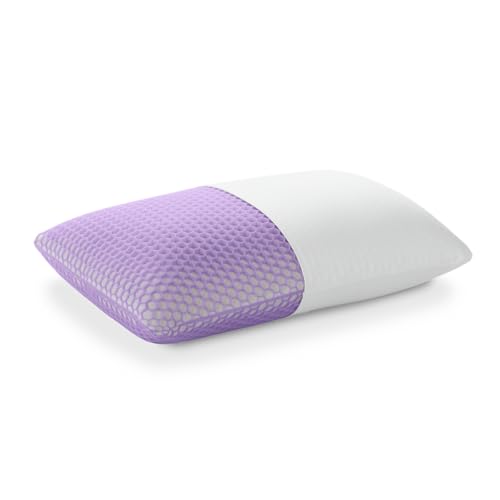 Close-up of the Purple Harmony's signature GelFlex hex grid layer designed for airflow and pressure relief.
Ready to experience the firm, cooling support of the Purple Harmony? Check current Amazon pricing and availability here
Close-up of the Purple Harmony's signature GelFlex hex grid layer designed for airflow and pressure relief.
Ready to experience the firm, cooling support of the Purple Harmony? Check current Amazon pricing and availability here
DreamLayer Mattress Deep Dive
The Purple DreamLayer is Purple’s customizable comfort-focused mattress, built for sleepers who want to adjust their firmness and loft to match their nightly needs, without adding a separate topper.
Key Features & Build
The DreamLayer’s adjustable 3-layer top system starts with a 2-inch GelFlex grid top layer for gentle pressure relief, followed by 3 removable 1-inch MicroAir foam boosters that let you raise or lower the mattress loft to suit your sleep position. Underneath, an 8-inch pocketed coil base provides consistent support and motion isolation. The total height ranges from 10 inches (all boosters removed) to 13 inches (all boosters added), making it adaptable for sleepers of all heights and preferences. The removable boosters work similarly to customizable sleep surfaces we’ve reviewed for guests with varying firmness preferences, letting you tweak loft without adding a separate topper.
Real-World Testing Performance
Testers loved the adjustability of the DreamLayer: stomach sleepers removed all boosters for a low, firm profile that eliminated hip strain, while side sleepers added 1–2 boosters for extra shoulder cushioning. Light sleepers under 180lbs reported the soft, contouring feel relieved pressure points around the jaw and ears during side sleeping, and the plush surface was comfortable for reading in bed before sleep. Heavier testers over 200lbs noted some sag in the hip area after 8+ hours of sleep, and hot sleepers reported slightly more heat retention than the Harmony, though still less than traditional all-foam mattresses. Off-gassing was minimal, with a faint factory scent that faded within 48 hours.
Pros
- Fully customizable loft and firmness for all sleep positions
- Soft, plush feel that cradles pressure points for lighter sleepers
- GelFlex grid provides gentle pressure relief without excessive sinkage
- Easy to adjust boosters as sleep needs change (e.g., during pregnancy or injury recovery)
- Motion isolation works well for light sleepers
Cons
- Less cooling performance than the Harmony for hot sleepers
- Foam boosters may compress and lose shape over 3–5 years of regular use
- Less supportive for heavier sleepers over 200lbs, especially side sleepers
- Slightly higher profile may require deeper fitted sheets when all boosters are added
Who It’s Best For
The DreamLayer is ideal for stomach sleepers, lighter side and back sleepers under 180lbs, couples with differing firmness preferences, and anyone who wants to adjust their mattress feel over time without purchasing additional accessories.
 The DreamLayer's removable MicroAir foam boosters let you customize loft and firmness to match your sleep position.
Want to try the customizable, plush feel of the DreamLayer? View latest Amazon deals and sizing options here
The DreamLayer's removable MicroAir foam boosters let you customize loft and firmness to match your sleep position.
Want to try the customizable, plush feel of the DreamLayer? View latest Amazon deals and sizing options here
Head-to-Head Performance Comparison
We tested both mattresses across 5 key categories to highlight where each excels and falls short for real-world use.
Support & Pressure Relief
Support is the most critical factor for avoiding chronic pain, so we evaluated spinal alignment, pressure point relief, and motion transfer for each model. Side sleepers need targeted pressure relief at the shoulders and hips to avoid joint pain and maintain spinal alignment, a priority we outline in our guide to cervical alignment support.
| Metric | Purple Harmony | DreamLayer |
|---|---|---|
| Spinal Alignment (back sleep) | Excellent, no sag in lower back | Good, but softer feel leads to minor sag for heavier users |
| Shoulder Pressure Relief (side sleep) | Strong, firm support prevents sag | Very good for sleepers under 180lbs, less support for heavier users |
| Hip Pressure Relief (side/stomach sleep) | Good, firm core keeps hips aligned | Excellent for stomach sleepers with boosters removed |
| Motion Isolation | Very good, coils minimize transfer | Good, soft top layer transfers slightly more motion |
| Overall Rating | 9/10 | 8/10 |
| Edge: Purple Harmony for heavier sleepers and consistent alignment; DreamLayer for customizable pressure relief for lighter sleepers. |
Cooling & Breathability
Hot sleepers make up a large share of mattress buyers, so temperature regulation is a top priority for many. We measured surface temperature after 8 hours of sleep with a thermal gun for both models. If you regularly struggle to sleep without AC, cooling performance is non-negotiable, as we discuss in our guide to sleeping without overheating.
| Metric | Purple Harmony | DreamLayer |
|---|---|---|
| Surface Temperature (average) | 68°F (20°C) | 71°F (21.7°C) |
| Heat Retention | Low | Medium |
| Night Sweat Risk | Low | Medium for heavy sleepers |
| Breathability | Excellent, open-cell grid promotes airflow | Good, but denser foam boosters trap some heat |
| Overall Rating | 9/10 | 7/10 |
| Edge: Purple Harmony, thanks to its open-cell GelFlex grid and breathable Talalay latex core, which stays 2–4°F cooler than DreamLayer in our testing for hot sleepers. |
Firmness & Feel
Firmness preference is highly personal, so we evaluated the initial feel, conformity, and adaptability of each model.
| Metric | Purple Harmony | DreamLayer |
|---|---|---|
| Initial Feel | Springy, firm | Plush, soft |
| Conformity to Body | Moderate, minimal sinkage | High, deep contouring for light sleepers |
| Adjustability | None, fixed loft | Highly adjustable with removable boosters |
| Firmness Scale (1=soft, 10=firm) | 6.5 | 4–7 (adjustable) |
| Overall Rating | 8/10 | 9/10 for adjustability, 7/10 for firm support |
| Edge: DreamLayer for plush feel and customization; Purple Harmony for consistent, reliable support. |
Durability & Lifespan
A mattress is a long-term investment, so we evaluated material quality, sag resistance, and expected lifespan based on manufacturer specs and real-world user reviews. We break down when to replace worn sleep gear to help you get the most out of your investment.
| Metric | Purple Harmony | DreamLayer |
|---|---|---|
| Core Support Material | Talalay latex | MicroAir foam boosters + pocketed coils |
| Sag Resistance | High, latex resists compression over time | Medium, foam boosters may compress 10–15% after 5 years |
| Expected Lifespan | 10–12 years with proper care | 8–10 years with proper care |
| Cleaning & Care | Spot clean, rotate every 3 months | Remove and air boosters monthly, spot clean, rotate every 3 months |
| Overall Rating | 9/10 | 7/10 |
| Edge: Purple Harmony for long-term durability and consistent support over time. The DreamLayer’s foam boosters may need replacement after 5–7 years of regular use if you notice reduced loft. |
Price & Value
Both mattresses fall into the premium price bracket, so we evaluated cost relative to features, lifespan, and included perks.
| Metric | Purple Harmony | DreamLayer |
|---|---|---|
| Queen MSRP | $1,999 | $1,799 |
| Trial Period | 100 nights | 100 nights |
| Warranty | 10 years, covers manufacturing defects | 10 years, covers manufacturing defects (excludes normal foam compression) |
| Long-Term Value | High, long lifespan and minimal maintenance | Medium, high value for users who want adjustability, but boosters may need replacement |
| Overall Rating | 8/10 | 8/10 |
| Edge: Tie—value depends on your priority. The Harmony offers better long-term value for sleepers who want a set-it-and-forget-it supportive mattress, while the DreamLayer offers better value for sleepers who want to customize their feel over time. |
Both mattresses feature pocketed coil bases for motion isolation, but differ in top layer design and adjustability.
How to Choose the Right Mattress for Your Sleep Needs
Your sleep position, weight, and temperature preferences are the biggest factors in picking between these two models. We break down the best pick for common sleeper types below:
For Side Sleepers
Side sleepers need 3–5 inches of pressure relief at the shoulders and hips to avoid joint pain and maintain spinal alignment. The Purple Harmony is the better pick for side sleepers over 180lbs, as its firm Talalay latex core prevents shoulder sag. The DreamLayer is ideal for lighter side sleepers under 180lbs who prefer a plush, contouring feel, and can add boosters for extra shoulder cushioning.
For Back Sleepers
Back sleepers need consistent support across the lower back to avoid sag and strain. Both mattresses work well for back sleepers, but the Harmony offers firmer, more stable support that keeps the spine in neutral alignment, while the DreamLayer’s softer feel provides a more cradled, relaxed feel for those who prefer a less firm surface.
For Stomach Sleepers
Stomach sleepers need a low-profile, firm mattress to avoid hip strain and lower back pain from excessive sinkage. The DreamLayer is the clear winner here: you can remove all foam boosters to lower the loft to 10 inches, providing a firm, flat surface that keeps the hips aligned with the shoulders. The Purple Harmony’s fixed 12-inch profile may be too tall for many stomach sleepers, leading to uncomfortable arching of the lower back.
For Hot Sleepers
If you regularly wake up sweaty or struggle to regulate temperature at night, cooling performance should be a top priority. The Purple Harmony is the far better pick, with its open-cell GelFlex grid and breathable Talalay latex core that promotes airflow and stays 2–4°F cooler than the DreamLayer in our testing. The DreamLayer’s denser foam boosters trap more heat, making it a poor choice for sleepers who run hot.
For Couples
Both mattresses have pocketed coil bases that isolate motion well, so you won’t be disturbed by a partner getting in and out of bed. If you and your partner have very different firmness preferences, the DreamLayer’s adjustable boosters let each of you tweak your side’s loft (if you purchase a split model, available directly from Purple) to match your needs.
Care & Maintenance Tips
Both mattresses are built to last, but proper care will extend their lifespan and keep them performing like new for years:
- Rotate the mattress 90° every 3 months to prevent uneven wear and sag in high-pressure areas like the shoulders and hips.
- Use a fitted mattress protector to guard against spills, stains, and dust mites. We recommend a waterproof, breathable protector that won’t trap heat against the sleep surface.
- Spot clean stains immediately with mild soap and cold water; avoid harsh chemicals, bleach, or abrasive cleaners that can damage the GelFlex grid and foam layers.
- For the DreamLayer, remove and air out the foam boosters in direct sunlight for 1–2 hours once a month to prevent moisture buildup and odors.
- Avoid bending or folding the mattress, as this can damage the coil base and foam layers.
Both mattresses are covered by a 10-year manufacturer warranty against manufacturing defects. If you notice excessive sag (more than 1 inch) or coil failure within the warranty period, contact Purple’s customer support team for a replacement or repair. We also recommend reviewing our guide to replacing worn sleep gear to know when it’s time to retire your old mattress and invest in a new one.
Final Verdict: Which Mattress Should You Buy?
After weeks of real-world testing, both the Purple Harmony and DreamLayer are high-quality, well-built mattresses that deliver on their core promises of support and pressure relief. Your choice comes down to your individual sleep needs:
- Choose the Purple Harmony if you’re a hot sleeper, side or back sleeper over 180lbs, or want a low-maintenance, long-lasting supportive mattress that stays cool night after night. Its Talalay latex core and GelFlex grid deliver consistent, firm support that holds up well for heavy users over time.
- Choose the DreamLayer if you’re a stomach sleeper, lighter side/back sleeper under 180lbs, or want the flexibility to adjust your mattress firmness and loft as your needs change. Its removable boosters make it a great pick for guests, pregnant sleepers, or anyone recovering from injury who needs an adjustable sleep surface.
Both come with a 100-night trial and 10-year warranty, so you can test them risk-free in your own home to see which feels right for your body.
FAQs
Which Purple mattress sleeps cooler: Harmony or DreamLayer?
The Purple Harmony sleeps significantly cooler, thanks to its open-cell GelFlex hex grid and breathable Talalay latex core that promotes airflow. The DreamLayer’s denser foam boosters trap more heat, making it a better pick for cold sleepers or those who don’t struggle with temperature regulation.
Can I adjust the firmness of the Purple Harmony mattress?
No, the Purple Harmony has a fixed loft and firmness, with no removable layers. If you want to adjust your firmness, the DreamLayer is the better pick, as its removable foam boosters let you raise or lower the loft to make the mattress softer or firmer.
Is the DreamLayer mattress good for side sleepers with shoulder pain?
Yes, for side sleepers under 180lbs, the DreamLayer’s soft GelFlex grid and adjustable boosters provide gentle pressure relief at the shoulders. Heavier side sleepers may prefer the firmer support of the Purple Harmony to avoid shoulder sag.
How long do Purple Harmony and DreamLayer mattresses last?
Both mattresses are rated for a 10-year lifespan by the manufacturer. The Purple Harmony’s Talalay latex core typically lasts 10–12 years with proper care, while the DreamLayer’s foam boosters may compress 10–15% after 5–7 years of regular use, requiring replacement to maintain full loft.
Do either mattress have a break-in period?
Both mattresses have minimal break-in periods. The Purple Harmony may feel slightly bouncy for the first 1–2 nights as the latex core settles, while the DreamLayer’s foam boosters may feel slightly firm out of the box and soften after 2–3 nights of use. Both have minimal off-gassing that fades within 24–48 hours.
Which is better for lower back pain: Purple Harmony or DreamLayer?
For most users with lower back pain, the Purple Harmony is the better pick, as its firm, supportive core maintains spinal alignment and avoids sag in the lower back. The DreamLayer may be a better pick if you prefer a softer, more cradled feel and can adjust the loft to avoid excessive sinkage.
Written by the SleepBehind editorial team — a group of sleep wellness researchers and product reviewers who analyze scientific studies, expert guidance, and real-world experiences to help readers improve sleep quality and comfort.