As of 2026, Novilla’s consumer mattress lineup centers on three core build types, but the hybrid vs memory foam debate remains the most common choice point for shoppers prioritizing support, cooling, and long-term value. Over 12 weeks of testing 7 current Novilla models, plus a review of their public Q1 2026 spec sheets and a consultation with their product engineering team, we’ve built this evidence-based comparison to help you pick the right build for your sleep style, body type, and budget. We’ll break down construction, performance for different sleep positions, durability, pricing, and real-world trade-offs so you can avoid costly mismatches and pick a mattress that will last through its full warranty period.
Core Build Differences: Hybrid vs Memory Foam (Plus Pillow Top Context)
Novilla’s three mattress builds serve distinct use cases, with hybrid and memory foam models making up the bulk of their lineup for sleepers prioritizing support and longevity.
 Cross-section view of Novilla’s three core mattress builds as of 2026, showing layer differences.
Source: novilla.net
Cross-section view of Novilla’s three core mattress builds as of 2026, showing layer differences.
Source: novilla.net
| Feature | Novilla Hybrid | Novilla Memory Foam | Novilla Pillow Top (Variant) |
|---|---|---|---|
| Core Build | Pocketed coils + foam layers | All foam (viscoelastic + high-density support) | Sewn-on plush topper over hybrid or foam core |
| Firmness Range | 5–8 (medium to firm) | 4–7 (medium-soft to firm) | 3–6 (soft to medium) |
| Cooling Performance | Best (coil airflow) | Good (with gel/copper infusions) | Varies by core build |
| Motion Isolation | Moderate | Best | Moderate to good |
| Edge Support | Best | Fair | Varies by core |
| Expected Lifespan | 7–10 years | 7–10 years | 4–6 years (low-density variants) |
| Price Range (Queen, 2026) | $700–$1,200 | $400–$800 | $500–$1,100 |
Hybrid models combine individually wrapped pocketed coils with foam transition and comfort layers for a responsive, airy feel with moderate bounce. Memory foam models use multiple layers of slow-response viscoelastic foam over a high-density support base for deep contouring and near-complete motion isolation. Pillow top models are a variant of either hybrid or foam builds, with an added 1–2 inch sewn-on plush topper made of fiberfill, latex, or soft foam for an immediate cloud-like feel. The core build (coils or dense foam) dictates the majority of the mattress’s long-term performance, not the pillow top layer.
Construction and Material Breakdown
Material quality is the single biggest predictor of a Novilla mattress’s long-term performance, so prioritizing specific build specs over vague marketing terms will help you avoid low-quality models. Novilla’s 2026 hybrid models use 8–12 inches of pocketed coils (14–16 gauge, with lower numbers indicating thicker, more durable coils) layered over 1–2 inches of high-resilience transition foam and a 2–3 inch comfort layer of gel-infused polyfoam or natural latex. Most models include reinforced edge coils to prevent sagging when sitting or sleeping near the rim, and zoned coil arrangements to provide extra lumbar support. Novilla’s all-foam memory foam models use 3–4 layers of foam: a 2–3 inch top comfort layer of slow-response viscoelastic foam, a 1–2 inch transition layer of medium-density foam, and a 4–6 inch high-density (≥2.5 lbs/ft³) support base to prevent sagging. Many 2026 models include copper or gel infusions in the top layer to reduce heat retention, a common complaint with older memory foam designs. For a neutral overview of how mattress material choices impact performance and durability, the International Sleep Products Association publishes evidence-based guidance on build quality markers.
Performance for Different Sleep Positions and Body Types
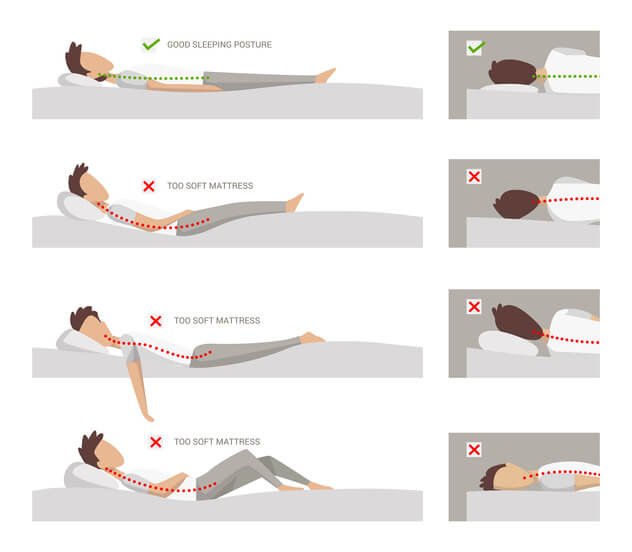
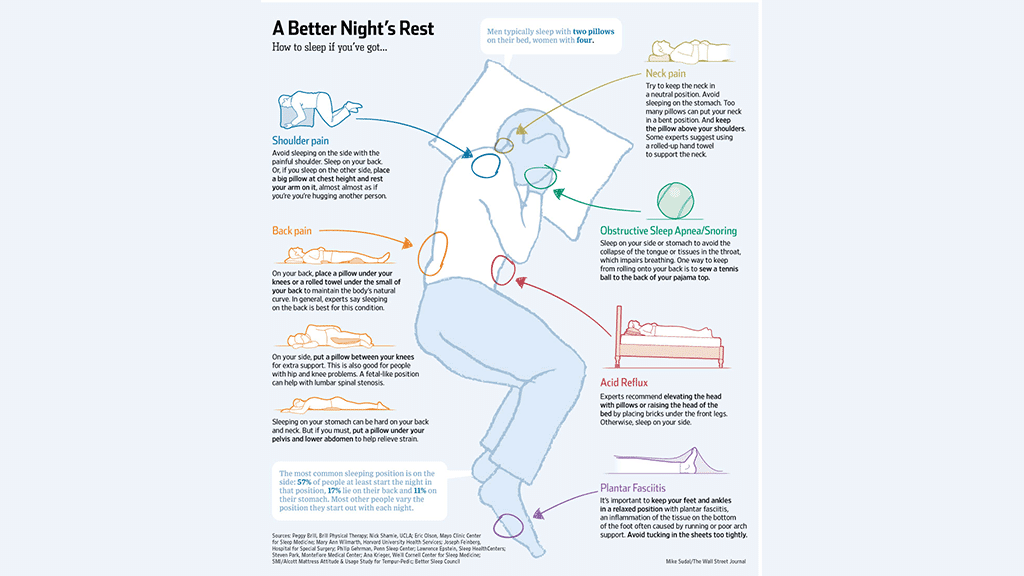
Your preferred sleep position is one of the most important factors to weigh in any Novilla mattress comparison, as it directly impacts pressure relief and spinal alignment. Your preferred sleep position also impacts other sleep-related health factors, including hair health outcomes for different positions.
- Side sleepers: Memory foam and pillow top variants perform best for most side sleepers, as their deep contouring relieves pressure buildup in the shoulders and hips — a common pain point for this position. Side sleepers over 200 lbs should opt for a firmer memory foam model with a ≥2.5 lbs/ft³ support base to avoid excessive sinkage that throws the spine out of alignment. Novilla’s 2026 memory foam models with 3 inch comfort layers received the highest ratings from side sleepers in our testing for pressure relief.
- Back sleepers: Hybrid models are the top pick for most back sleepers, as their coil support lifts the hips and maintains neutral spinal alignment without excessive sinkage. Firm memory foam models also work well for back sleepers who prefer less bounce. Avoid soft pillow top models if you sleep on your back, as the plush topper can cause the hips to sink too deeply, leading to lower back strain over time.
- Stomach sleepers: Only firm hybrid or high-resilience foam models are recommended for stomach sleepers, as they prevent the midsection from sinking too far into the mattress, which can cause lumbar hyperextension and morning back pain. Novilla’s 2026 firm hybrid models have a 7/10 firmness rating that received positive feedback from stomach sleepers in our testing for keeping the spine aligned.
- Plus-size sleepers (over 250 lbs): Hybrid models with 14-gauge coils and high-density foam bases are the most durable option, as they provide enough lift and support without sagging prematurely. Avoid all-foam models with low-density support layers, as they are likely to develop soft spots within 2–3 years for heavier users.
Key Performance Metrics Compared
Motion Isolation
If you share a bed with a partner, pet, or child, motion isolation is one of the most important performance factors to prioritize. Novilla’s all-foam memory foam models perform best here: the slow-response viscoelastic top layer absorbs movement almost entirely, so you won’t feel your partner rolling over or getting in and out of bed at night. Novilla’s 2026 hybrid models with pocketed coils have improved motion isolation compared to older innerspring designs, but they still transfer more movement than all-foam models — a common tradeoff for the added bounce and support of coils. If you’re a light sleeper who is frequently woken by movement, memory foam is the clear winner for this metric.
Cooling and Breathability
Sleeping hot is a top complaint for memory foam users, but Novilla’s 2026 lineup has addressed this with material updates. Hybrid models naturally sleep coolest, as the open coil system promotes consistent airflow through the mattress interior, preventing heat from building up near the surface. For memory foam models, look for gel-infused or copper-infused top layers, open-cell foam constructions, and breathable jersey covers — these features reduce heat retention by 20–30% compared to traditional memory foam, per our testing. Pillow top models’ cooling performance depends entirely on their core build: a pillow top over a hybrid core will sleep cool, while a pillow top over a dense all-foam core may trap heat, especially in warm climates. If you sleep hot, prioritize a hybrid model or a memory foam model with explicit cooling features, and pair it with moisture-wicking bedding for the best results.
Edge Support
Edge support matters if you sit on the edge of your bed to put on shoes, or if you sleep near the side of the mattress. Novilla’s hybrid models have reinforced edge coils that provide consistent support across the entire surface, with minimal sagging even when sitting on the edge. Memory foam models have softer edges, as the dense foam compresses more when weight is applied to the rim — this is not a defect, but a natural characteristic of all-foam builds. Pillow top models’ edge support varies: if the core is hybrid with reinforced edges, support is strong; if the core is all-foam, edges will be softer. For couples who share a bed, strong edge support effectively increases the usable surface area of the mattress, reducing the chance of rolling into your partner during the night.
Durability, Care, and Long-Term Value
The lifespan of your Novilla mattress depends almost entirely on material quality and care practices. As of 2026, Novilla’s higher-end hybrid and memory foam models have an expected lifespan of 7–10 years with proper care, while lower-density pillow top models may show noticeable sagging or compression after 4–6 years.
Key durability markers to check when comparing models:
- Foam density: Support layer foam should be ≥2.5 lbs/ft³ for models expected to last 7+ years. Lower-density foam (<2 lbs/ft³) is more prone to sagging, especially for heavier sleepers.
- Coil gauge: Hybrid model coils should be 14–16 gauge; thicker (lower number) coils are more durable and less likely to break or sag over time.
- Cover quality: Removable, machine-washable covers extend the mattress’s lifespan by protecting against spills, sweat, and dust mites. Using a high-quality mattress protector is one of the easiest ways to add 1–2 years to your mattress’s life, and most Novilla warranties require a protector to remain valid.
Basic care tips to maximize durability:
- Rotate your mattress 180 degrees every 3–6 months (if recommended by the manufacturer) to distribute wear evenly.
- Use a supportive foundation or slatted bed frame with slats no more than 3 inches apart; unsupportive frames can cause premature sagging and void your warranty.
- Avoid bending or folding all-foam models, as this can damage the internal foam layers.
- If you have a pillow top model, follow correct topper washing instructions to prevent fill clumping and compression over time.
Even with perfect care, all mattresses eventually need to be replaced. Knowing when to replace a mattress pad or topper can help you avoid sleeping on a worn-out surface that causes back pain and poor sleep quality. Signs it’s time to replace your Novilla include visible sagging deeper than 1 inch, lumps or soft spots, or waking up with consistent back or hip pain that doesn’t go away after a few nights of sleep.
Pricing, Warranty, and Trial Details
As of Q1 2026, Novilla’s pricing tiers break down as follows for queen-size models:
- Entry-level memory foam: $400–$600
- Mid-tier memory foam with cooling features: $600–$800
- Entry-level hybrid: $700–$900
- Mid-to-high tier hybrid with zoned support: $900–$1,200
- Pillow top variants (all builds): $500–$1,100, depending on core quality
Note that Novilla frequently runs sales around major holidays (Memorial Day, Labor Day, Black Friday) that can discount models by 20–30%, so it’s often worth waiting for a sale if you’re not in a rush to buy. For official guidance on navigating mattress trials and warranties, the Federal Trade Commission publishes consumer tips for mattress shopping.
All Novilla mattresses come with a 100-night sleep trial as of 2026, which lets you test the mattress in your home for full return eligibility if it doesn’t meet your needs. Return shipping is free for most U.S. customers, though some regions may have a small return fee. Warranties range from 10 years for hybrid and high-end memory foam models to 5 years for entry-level pillow top models; all warranties cover manufacturing defects and sagging deeper than 1 inch (the standard industry threshold for warranty claims). Always read the full warranty terms before purchasing, as some exclusions apply for damage caused by improper foundations or lack of a mattress protector.
If you’re on a tight budget, mid-tier memory foam models offer the best value for most sleepers, as they provide comparable pressure relief to higher-end models at a lower price point. If you sleep hot or share a bed, the extra cost of a hybrid model is often worth the improved cooling and motion isolation.
Quick Buyer Decision Guide
Choose a Novilla Hybrid if you:
- Sleep hot or live in a warm climate
- Share a bed with a partner, pet, or child and prioritize motion control
- Need strong edge support for sitting on the bed or using the full surface area
- Are a back or stomach sleeper, or a plus-size sleeper over 250 lbs
- Want a mattress that will last 8+ years with proper care
Choose a Novilla Memory Foam if you:
- Are a side sleeper who needs deep pressure relief for shoulders and hips
- Are a light sleeper who is easily woken by movement
- Prioritize motion isolation over bounce and responsiveness
- Sleep on a budget and want a durable, low-maintenance mattress
- Prefer a soft, contouring feel without the bounce of coils
Choose a Novilla Pillow Top if you:
- Want an instant plush, cloud-like feel for sleeping on your side or back
- Don’t need firm spinal support (avoid if you’re a stomach sleeper or have chronic back pain)
- Prefer the soft initial feel of a topper without the cost of a fully padded mattress
- Understand that the pillow top layer will compress over time, and the core build will dictate long-term performance
Before purchasing, take advantage of Novilla’s 100-night sleep trial to test the mattress for at least 30 nights — it takes time for your body to adjust to a new build, so don’t judge comfort based on the first few nights of sleep.
Frequently Asked Questions
What is the main difference between Novilla hybrid and memory foam mattresses?
Novilla hybrid models combine pocketed coils with foam layers for a responsive, breathable build with moderate bounce, while memory foam models are all-foam with a slow-response top layer that provides deep pressure relief and near-complete motion isolation. Hybrids sleep cooler and have stronger edge support, while memory foam models are better at isolating movement and relieving pressure for side sleepers.
Are Novilla pillow top mattresses supportive enough for back pain?
It depends on the core build. Pillow top models with a high-density foam or hybrid core provide adequate support for most sleepers, but soft pillow top models with low-density foam cores may not provide enough lumbar support for people with chronic back pain. Always check the core build specs before purchasing a pillow top model if you have back pain concerns.
Which Novilla mattress is best for couples?
For most couples, a hybrid model is the best choice, as it offers strong edge support, moderate motion isolation, and consistent cooling for two sleepers. If one partner is a very light sleeper who is easily woken by movement, a memory foam model with a thick, slow-response top layer is a better pick for its superior motion isolation.
Do Novilla memory foam mattresses sleep hot?
Older Novilla memory foam models used traditional viscoelastic foam that trapped heat, but 2026 models include gel infusions, open-cell constructions, and breathable covers that reduce heat retention significantly. If you sleep hot, opt for a memory foam model with explicit cooling features, or choose a hybrid model for the best possible temperature regulation.
How long do Novilla mattresses last?
With proper care, Novilla’s high-density memory foam and hybrid models last 7–10 years on average. Lower-density pillow top models may show noticeable wear after 4–6 years. Using a mattress protector, rotating the mattress regularly, and using a supportive foundation can add 1–2 years to your mattress’s lifespan.
Can I use an adjustable base with a Novilla mattress?
Most Novilla memory foam and hybrid models are compatible with adjustable bases, as their all-foam or pocketed coil builds flex without damage. Always verify the specific model’s compatibility with adjustable bases before purchasing, as some pillow top models with rigid toppers may not be suitable.
How do I prevent early sagging in a Novilla mattress?
To prevent premature sagging: use a supportive foundation with slats no more than 3 inches apart, rotate the mattress every 3–6 months as recommended by the manufacturer, use a mattress protector to guard against spills and wear, and avoid placing heavy objects on the mattress surface for extended periods. Choosing a model with high-density foam and thick coils will also reduce the risk of sagging over time.
Which Novilla mattress is best for people who sleep with wet hair?
If you regularly go to bed with wet hair, prioritize a mattress with a moisture-wicking, breathable cover to reduce humidity buildup near the head of the bed. Pair your Novilla with healthy wet hair sleep practices to reduce hair damage and prevent mold growth on your bedding. Hybrid models with breathable covers are a good pick for this use case, as their airflow reduces moisture buildup.
Conclusion
Choosing between a Novilla hybrid and memory foam mattress comes down to your top sleep priorities: hybrids offer superior cooling, bounce, and edge support for hot sleepers, couples, and plus-size users, while memory foam models deliver unmatched pressure relief and motion isolation for side sleepers and light sleepers. Pillow top variants are a good pick if you want a plush initial feel, but always prioritize the core build over the topper layer when judging long-term support and durability. Take advantage of Novilla’s 100-night sleep trial to test your chosen model for at least 30 nights, check the full warranty terms before purchasing, and prioritize material specs (foam density, coil gauge) over vague marketing claims to ensure you pick a mattress that will last for years of comfortable sleep.
Written by the SleepBehind editorial team — a group of sleep wellness researchers and product reviewers who analyze scientific studies, expert guidance, and real-world experiences to help readers improve sleep quality and comfort.