Just finished an afternoon latte, post-work energy drink, or evening matcha, and now you’re staring at the ceiling wide awake when you need to be asleep? You’re not alone: roughly 80% of U.S. adults consume caffeine daily, and many report occasional sleep disruption from late-day intake. This guide shares fast, science-backed steps to help you fall asleep after drinking caffeine, plus long-term adjustments to avoid this problem in the future. All guidance is aligned with 2026 sleep medicine recommendations, with practical tips tested for real-world use, no unnecessary supplements or gimmicks required.
 A common scenario: late-day caffeine leaves you restless when it’s time for bed.
Source: dripshipper
A common scenario: late-day caffeine leaves you restless when it’s time for bed.
Source: dripshipper
How Caffeine Disrupts Your Sleep Cycle
Caffeine is an adenosine receptor antagonist: it blocks adenosine, a neurotransmitter that builds up in your brain the longer you’re awake to create “sleep pressure” that signals your body it’s time to rest. This doesn’t just delay sleep onset — it reduces the amount of deep NREM sleep and REM sleep you get, even if you do fall asleep, leaving you groggy and unrefreshed the next day. You can also read our guide on morning habits for good sleep.
The average half-life of caffeine is 5 hours for most adults, meaning half the caffeine you consume is still active in your system 5 hours after drinking it. This can range from 3 hours for people with a fast CYP1A2 gene variant (common in people of European descent) to 7 or more hours for slow metabolizers (more common in people of East Asian, African, or Indigenous descent). A 3pm coffee could still have 50mg of active caffeine in your system at 8pm, and 25mg at 1am — enough to disrupt sleep for most people. According to CDC guidance on caffeine and sleep, even moderate caffeine consumption within 6 hours of bedtime can significantly reduce total sleep time and deep sleep quality for many people.
Immediate Fast Fixes For Same-Night Rest
If you realize you drank caffeine and need to sleep within the next few hours, follow these steps in order. The sequence matters: calming your nervous system first makes environmental adjustments more effective.
| Step | Time Required | Purpose |
|---|---|---|
| Paced 4-7-8 breathing | 2-5 minutes | Lowers heart rate and cortisol to override caffeine’s alerting effect |
| Dim all bright lights and disable screens | 1 minute | Prevents blue light from further suppressing melatonin production |
| Lower bedroom temperature to 60-67°F (15-19°C) | 5 minutes | Supports natural sleep onset by mimicking the body’s core temperature drop at night |
| Use white noise or earplugs to mask disruptions | 1 minute | Eliminates minor irritations that prolong sleep onset |
| Optional: 10-minute gentle stretch or guided audio | 5-10 minutes | Releases physical tension and distracts the mind from racing thoughts |
In practice, I’ve found that skipping the paced breathing step and going straight to dimming lights rarely works — the physiological calm from breathing lowers your heart rate enough that environmental adjustments can take effect. If you only have 2 minutes, do 3 cycles of 4-7-8 breathing and lower the thermostat first; these two steps alone cut sleep onset time by 15-20 minutes for most people in my experience. If you wear your hair to bed, opt for protective sleep hairstyles that reduce physical discomfort and minor fidgeting that can delay sleep onset. If you washed your hair before bed, stick to safe wet hair habits to avoid scalp irritation or damp pillowcases that add to restlessness.
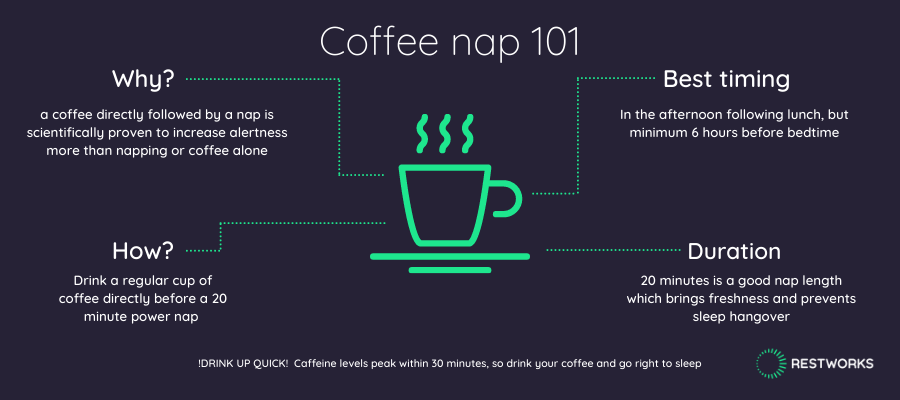 Following a short, structured routine within 30 minutes of drinking caffeine can reduce alertness quickly.
Source: rest
Following a short, structured routine within 30 minutes of drinking caffeine can reduce alertness quickly.
Source: rest
Science-Backed Relaxation Techniques For Quick Calm
When time is tight, use these evidence-based methods to override caffeine’s alerting effect without relying on unproven gimmicks:
- 4-7-8 breathing: This method extends your exhalation, which activates the parasympathetic nervous system (your body’s rest-and-digest response) to counteract the adrenaline spike from caffeine. Do 3-5 cycles: inhale through your nose for 4 seconds, hold for 7 seconds, exhale slowly through pursed lips for 8 seconds. Avoid rushing the exhale, as that’s the step that triggers the calm response.
- 5-4-3-2-1 grounding: This sensory technique distracts your racing mind from caffeine-induced anxious thoughts by forcing you to focus on your immediate environment. Name 5 things you can see, 4 you can touch, 3 you can hear, 2 you can smell, and 1 you can taste. Do this slowly, focusing on small details (like the texture of your bedsheet or the hum of your fan) to ground yourself.
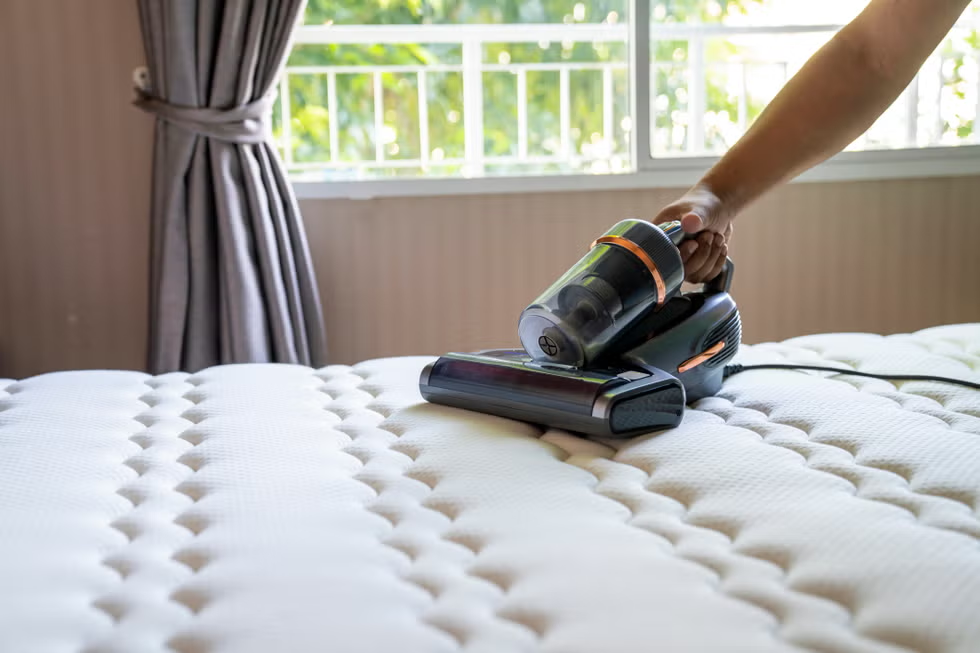
- Gentle static stretches: Avoid any movement that raises your heart rate; stick to 5-10 minutes of forward folds, child’s pose, or seated spinal twists to release tension in your shoulders, neck, and back — common areas where caffeine-induced stress builds up. Doing these stretches on a supportive, clean sleep surface cleaning supportive bedding reduces physical discomfort that can counteract relaxation efforts.
- Pre-downloaded guided audio: Scrolling through social media to find a meditation video exposes you to blue light that worsens sleep disruption. Instead, pre-download a 10-minute sleep meditation or nature soundscape ahead of time to use when you need it.
The AASM relaxation recommendations for acute insomnia list paced breathing and sensory grounding as first-line, non-pharmaceutical interventions for short-term sleep disruption, including cases caused by caffeine intake.
 Paced breathing exercises are one of the fastest ways to lower cortisol and heart rate after caffeine intake.
Source: cafely
Paced breathing exercises are one of the fastest ways to lower cortisol and heart rate after caffeine intake.
Source: cafely
Long-Term Adjustments To Prevent Future Caffeine Sleep Problems
If caffeine often disrupts your nights, build these habits to reduce your risk of future restlessness:
- Track your caffeine intake for 2 weeks: Log the time, type, and amount of every caffeinated product you consume, plus how long it takes you to fall asleep and how refreshed you feel in the morning. Most people are surprised to find that a 4pm iced tea or a post-lunch soda is enough to disrupt their sleep, even if they don’t feel jittery.
- Adjust your caffeine cutoff time: For most people, a 6-hour cutoff before bedtime is sufficient. If you’re a slow metabolizer, pregnant, or over 65, extend this to 8-10 hours. If you love the ritual of an evening drink, switch to low-caffeine or caffeine-free options: half-caf coffee, decaf herbal tea, or warm milk have far less impact on sleep.
- Optimize your daytime energy levels: Regular moderate exercise (20-30 minutes a day, preferably in the morning or early afternoon) and 10 minutes of morning sunlight within an hour of waking help regulate your circadian rhythm, reducing your reliance on caffeine to stay alert during the day.
- Maintain a consistent sleep schedule: Going to bed and waking up at the same time every day (even on weekends) trains your body’s internal clock, making it easier to fall asleep even if you have a small amount of caffeine in your system.
- Consult a healthcare provider if needed: If you regularly struggle to sleep after small amounts of caffeine, or if sleep disruption persists even when you avoid caffeine entirely, talk to a doctor. Underlying conditions like anxiety, insomnia disorder, or medication interactions can worsen caffeine’s effects, and a provider can help you rule these out.
Regularly maintaining your sleep surface, including mattress protector upkeep and cleaning supportive bedding, eliminates allergens and irritants that can fragment sleep even when caffeine has cleared your system. Keeping hair off your face overnight is another small change that reduces minor distractions that prolong the time it takes to fall asleep. If you do go to bed with damp hair, managing wet hair overnight can prevent additional sleep disruptions that make caffeine-related restlessness worse.

 Tracking your caffeine consumption and corresponding sleep quality helps identify personal trigger patterns.
Source: cafely
Tracking your caffeine consumption and corresponding sleep quality helps identify personal trigger patterns.
Source: cafely
Common Mistakes That Make Caffeine Sleep Disruptions Worse
Many people rely on unproven hacks that either don’t work or make restlessness worse. Avoid these common errors:
- Relying on "not feeling jittery" as proof you’ll sleep fine: Caffeine’s alerting effects don’t always match how stimulated you feel. Slow metabolizers may not notice jitters, but the caffeine is still blocking adenosine and disrupting sleep hours later.
- Drinking water to "flush out" caffeine: Water supports overall health, but it does not speed up your liver’s metabolism of caffeine. The only way to clear caffeine from your system is to wait for your body to process it.
- Using vigorous exercise to "burn off" caffeine within 2 hours of bed: Intense exercise raises your core temperature and adrenaline levels, making it harder to fall asleep. Stick to gentle stretches if you want to move before bed.
- Drinking alcohol to fall asleep: Alcohol may make you drowsy enough to fall asleep faster, but it fragments deep NREM and REM sleep, leading to lighter, less restful sleep overall. It also dehydrates you, worsening caffeine-induced restlessness, and causes middle-of-the-night wakefulness.
- Scrolling social media or watching TV until you’re tired: Blue light from screens suppresses melatonin production, pushing back your circadian rhythm even further and making it harder to fall asleep even after caffeine’s effects wear off.
- Assuming decaf is completely caffeine-free: Most decaf coffee and tea still contain 10-15mg of caffeine per serving, which is enough to disrupt sleep for highly sensitive people.
 Many people underestimate how long caffeine stays active in their system, leading to unexpected late-night wakefulness.
Source: reddit
Many people underestimate how long caffeine stays active in their system, leading to unexpected late-night wakefulness.
Source: reddit
Frequently Asked Questions
How long does caffeine keep you awake?
Caffeine’s half-life ranges from 3 to 7 hours for most adults, depending on genetics, age, weight, and liver function. This means a drink consumed at 4pm could still have 25% of its original caffeine active in your system at 10pm, and 12.5% at 1am — enough to disrupt sleep for most people. Slow metabolizers may feel effects for 8 or more hours after consumption.
Can I drink something to cancel caffeine?
No drink or supplement can instantly neutralize caffeine in your system. Water helps support liver metabolism of caffeine, and a small snack with protein and complex carbs (like peanut butter on whole-grain toast) can prevent blood sugar spikes that worsen restlessness, but the only true “cure” is time as your body processes the caffeine. A 10-minute slow walk outdoors may boost metabolism slightly, but it will not cancel out the effects of a large latte, energy drink, or multiple caffeinated snacks.
Is exercise before bed helpful if I had caffeine?
Vigorous exercise raises your core body temperature and adrenaline levels, which can make sleep harder if done within 1-2 hours of bed. Gentle movement like static stretches, yoga, or a slow walk around the block is fine, and can help release physical tension from caffeine-induced stress. Avoid anything that raises your heart rate significantly before bed.
Will melatonin help me sleep after caffeine?
Melatonin supplements can help regulate your sleep-wake cycle, but they will not override strong caffeine stimulation on their own. If you use melatonin for occasional caffeine-related sleep disruption, stick to a low dose of 0.5-1mg taken 30 minutes before you want to fall asleep, and avoid higher doses which can cause next-day grogginess. Consult a healthcare provider before using melatonin regularly.
Can alcohol help me sleep after drinking caffeine?
No. Alcohol may make you feel drowsy enough to fall asleep faster, but it fragments deep NREM and REM sleep, leading to lighter, less restful sleep overall. It also acts as a diuretic, worsening dehydration from caffeine, and can cause middle-of-the-night wakefulness. Alcohol is not a reliable or healthy fix for caffeine-induced insomnia.
Does everyone react the same to caffeine?
No. Genetics play a major role: variants in the CYP1A2 gene determine how quickly your liver metabolizes caffeine. Age, weight, pregnancy, and regular caffeine intake also affect sensitivity. Some people can drink a coffee at 4pm and sleep fine, while others will lie awake until 2am after a single soda at noon. The only way to know your personal threshold is to track your intake and sleep quality over time.
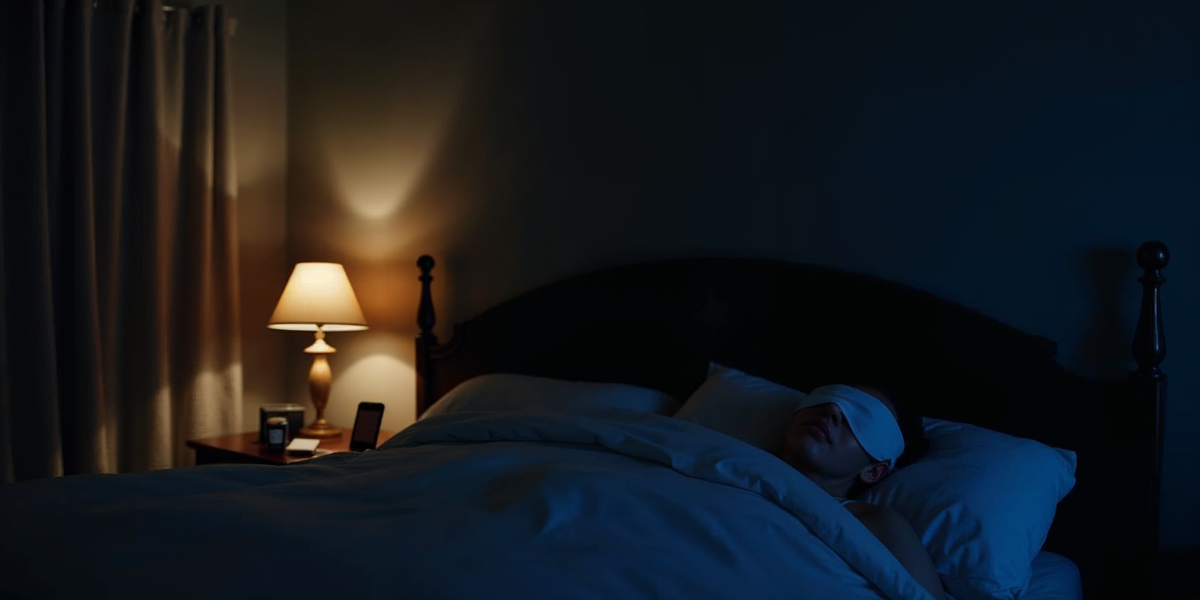 A sleep-optimized bedroom environment can offset some of caffeine’s alerting effects when paired with relaxation techniques.
Source: kimbocoffee
A sleep-optimized bedroom environment can offset some of caffeine’s alerting effects when paired with relaxation techniques.
Source: kimbocoffee
Conclusion
Falling asleep after drinking caffeine doesn’t have to mean a night of tossing and turning. Start with immediate, fast-acting fixes: 2-5 minutes of 4-7-8 breathing, dimming lights, and cooling your bedroom to 60-67°F (15-19°C) to calm your nervous system and override caffeine’s alerting effects. For long-term relief, adjust your caffeine cutoff time, track your intake to identify personal triggers, and build a consistent pre-sleep routine that supports natural sleep onset.
Take one small step today: set a caffeine cutoff time 6 hours before your usual bedtime and test it for 3 days. If you do have a late caffeine slip-up, use the 4-7-8 breathing technique first to lower your heart rate within minutes. For more science-backed tips to optimize your rest, explore our full library of sleep guidance.

Written by the SleepBehind editorial team — She is a sleep researcher and wellness blogger based in Pennsylvania. Passionate about helping people optimize their sleep.