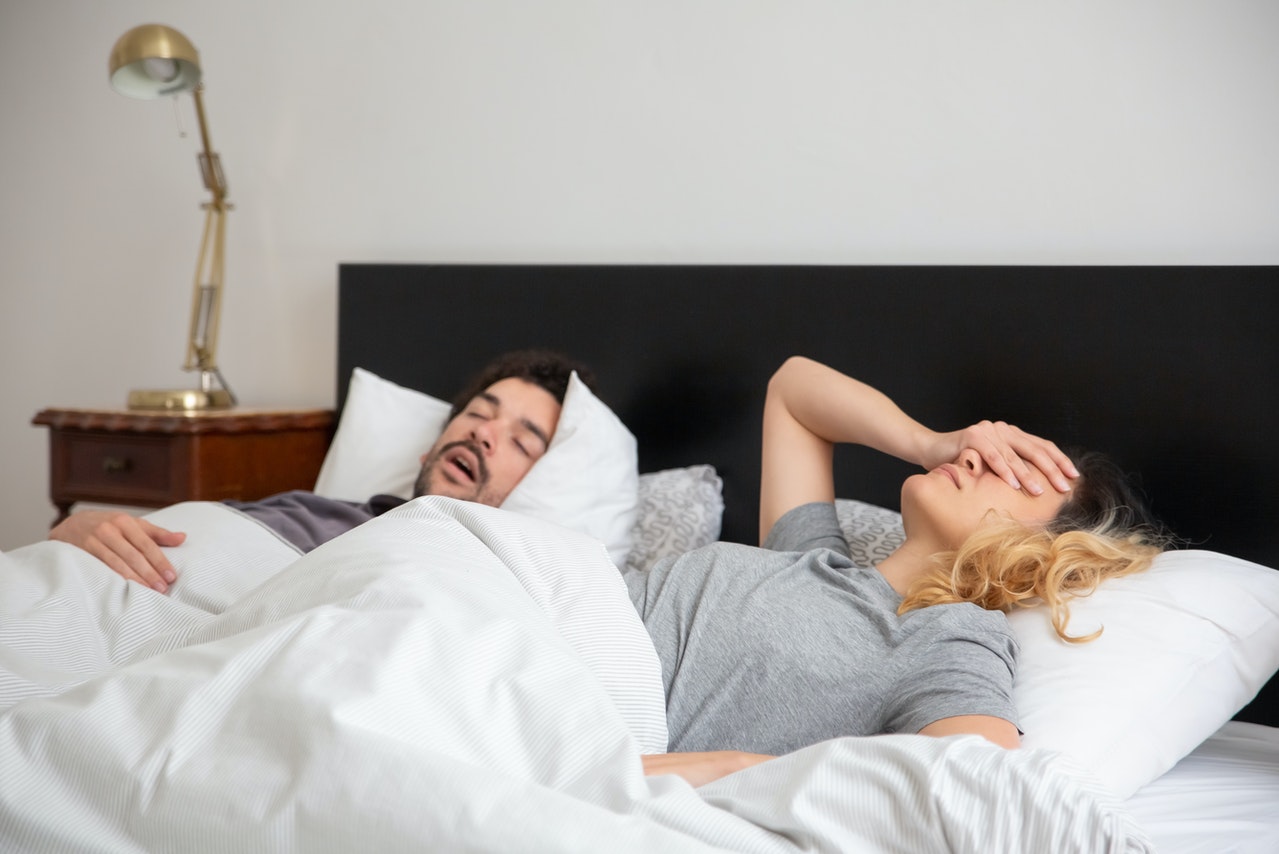
Waking up to the loud, rumbling snore of a partner—elbowing them awake, only to have them roll over and start again 10 minutes later—is a universal frustration for millions of couples. Snoring affects roughly 1 in 4 adults regularly, per the National Heart, Lung, and Blood Institute, and for the person lying next to them, it can mean chronic sleep deprivation, irritability, and even tension in the relationship. The good news is that most snoring is treatable, and you don’t have to sacrifice your rest (or your partnership) to fix it. This guide covers actionable, evidence-based tips for how to sleep with someone snoring, from low-effort fixes you can try tonight to medical interventions for severe cases, plus strategies to address the issue as a team without conflict.
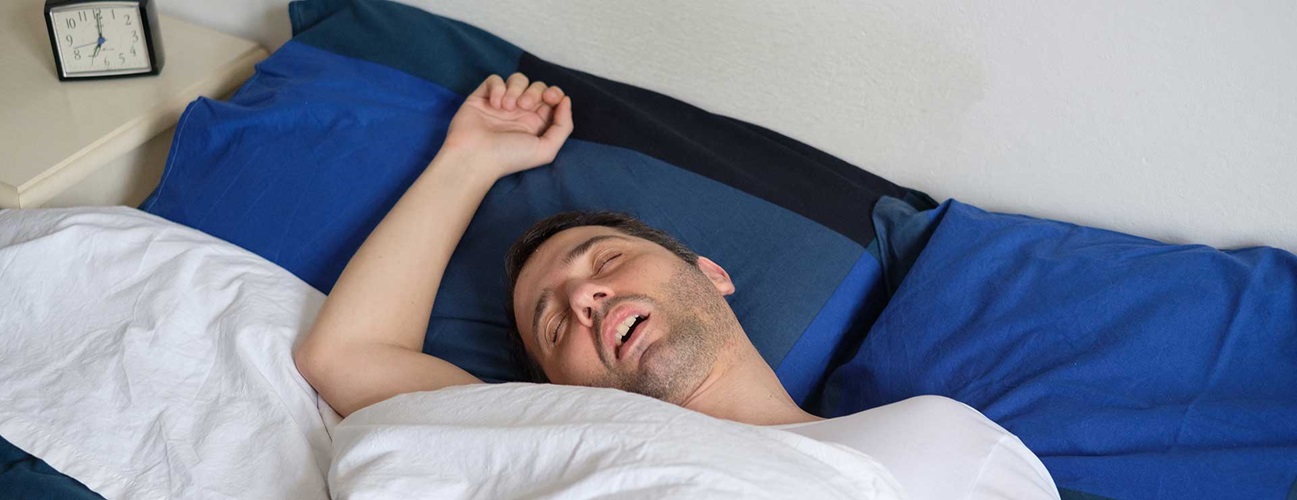
 A common scene for people sharing a bed with a regular snorer
What Causes Snoring (And When It’s More Than An Annoyance)
Snoring occurs when relaxed throat tissues narrow your airway as you breathe during sleep, causing those tissues to vibrate and create the familiar rumbling sound. Common, benign triggers include nasal congestion from a cold or allergies, alcohol consumption within 3 hours of bed (which relaxes throat muscles), back sleeping (which lets the tongue fall back and block the airway), and excess weight around the neck. For some people, chronic loud snoring is a sign of obstructive sleep apnea, a condition where breathing pauses repeatedly during sleep, leading to drops in blood oxygen levels. Red flags that snoring may be sleep apnea include loud, chronic snoring interspersed with gasping or choking sounds, excessive daytime sleepiness even after 7+ hours of sleep, morning headaches, and irritability. If you notice these symptoms in your partner, encourage them to see a doctor, as untreated sleep apnea increases the risk of high blood pressure, heart disease, and type 2 diabetes, per the Centers for Disease Control and Prevention. You can also read our guide on how to calm mind before sleep at night.
Immediate, No-Cost Fixes To Try Tonight
These low-effort, low-cost solutions work for mild, occasional snoring, and you can implement most of them in minutes:
Earplugs
Soft foam, silicone, or wax earplugs are the fastest way to block out snoring noise. Look for a noise reduction rating (NRR) of 25–30, which is high enough to mute most snoring without creating a suction effect that’s uncomfortable for side sleepers. A common mistake is buying the highest NRR available, which can cause ear pain over time; test a pair during the day first to make sure they fit comfortably. Replace foam earplugs every 2–4 weeks to avoid wax buildup and maintain their effectiveness.
White Noise or Pink Noise
A consistent, steady sound masks the irregular peaks and valleys of snoring, making it less noticeable to your brain. White noise (equal frequencies across all audible ranges) works well for loud, varying snoring, while pink noise (softer, deeper frequencies, like rain or a fan) is better for low, consistent rumbles. Use a white noise machine, a fan, or a free sleep sound app, and place the device between you and the snorer, not behind their head, to avoid disrupting their sleep. You can also read our guide on the best sleep positions for pain relief.
Adjust Sleep Positions
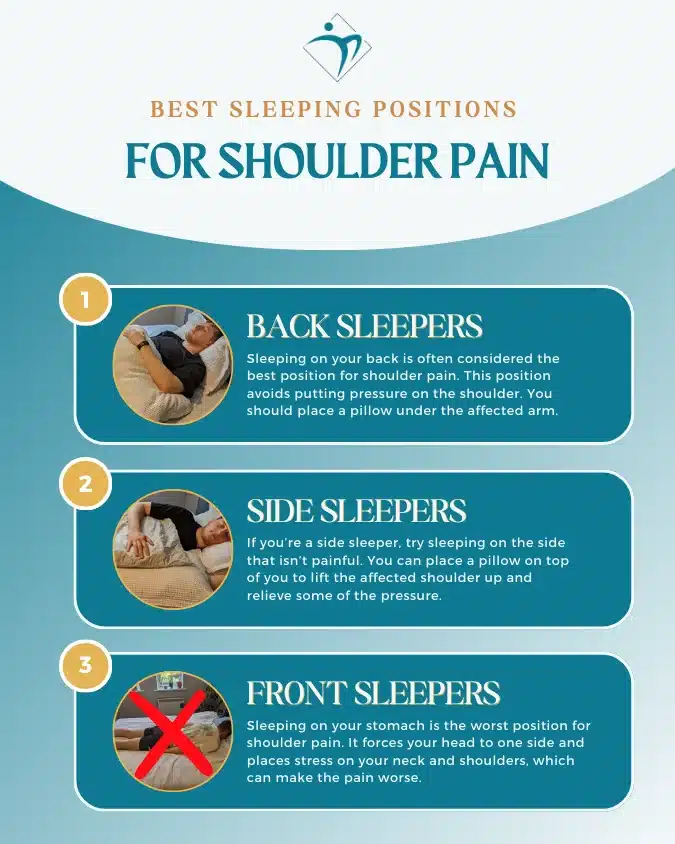
Back sleeping worsens snoring for most people, as it lets the tongue and soft tissues fall back and narrow the airway. Side sleeping, especially on the left side, keeps the airway open and reduces vibration. If your partner struggles to stay on their side, try a body pillow to support them, or sew a tennis ball into the back of their t-shirt to make back sleeping uncomfortable. If you’re curious about how different positions affect your own comfort and hair health, you can experiment with different sleep positions to find what works best for both of you.
Short-Term Separate Sleeping
If all else fails, sleeping in a different room for a night or two is not a relationship failure—it’s a temporary reset to protect your sleep and reduce irritability. Keep your usual bedtime routine even if you’re in a different room, so your circadian rhythm stays consistent. Many couples find that a few nights of separate sleep leads to more patience and better communication when they return to sharing a bed. You can also read our guide on weighted eye mask for sleeping review.
 Foam earplugs are the lowest-cost, lowest-effort first fix for blocking snoring noise
Small Bedroom Adjustments That Make A Big Difference
Small, permanent changes to your sleep space can reduce snoring for both you and your partner over time:
- Elevate the head of the bed: Raising the head of the bed 6–12 inches uses gravity to keep the airway open and reduce tissue vibration. Use bed risers under the bedposts or an adjustable base for the most consistent results. Avoid stacking multiple pillows under your partner’s head, as this can bend the neck and actually worsen airway obstruction, leading to more snoring and neck pain the next day.
- Optimize humidity and air quality: Dry air irritates throat and nasal tissues, making snoring worse. Aim for 40–60% humidity in your bedroom using a cool-mist humidifier, and clean it weekly to avoid mold and bacteria growth. If your partner has allergies, an air purifier with a HEPA filter can reduce dust, pet dander, and pollen that cause nasal congestion. For a low-cost nasal clear, add a drop of eucalyptus oil to your humidifier only if no one in the household has asthma or sensitivities.
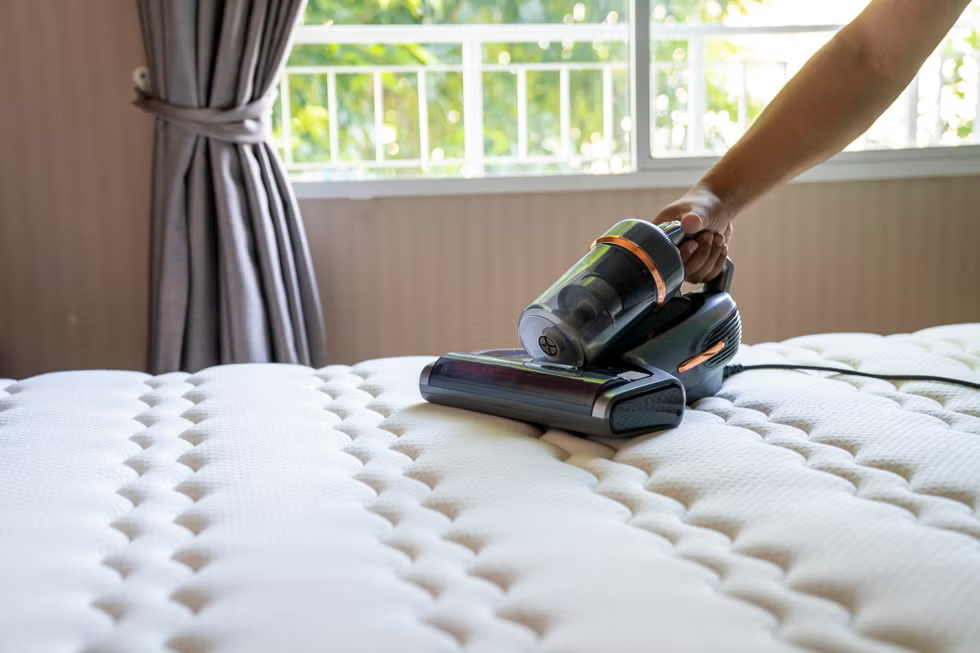
- Choose supportive, clean bedding: Firm, contoured side-sleep pillows keep the neck aligned and the airway open; if you use a bamboo pillow, follow proper care guidelines to maintain its shape and support over time. Wash your sheets, pillowcases, and mattress topper weekly in hot water (130°F or higher) to kill dust mites and reduce allergy-related congestion. If you have a feather topper, use revival tips to keep it fluffy and free of allergens that can irritate nasal passages.
- Try nasal and noise aids: Drug-free nasal strips lift the nasal passages to increase airflow, and saline sprays used 10 minutes before bed can clear congestion from colds or allergies. If earplugs are uncomfortable, in-ear sleep buds with active noise cancellation are a great alternative for side sleepers, as they sit flush against the ear and won’t cause pressure pain.
 Elevating the head of the bed 6–12 inches can reduce airway collapse during sleep
Relationship-Focused Strategies To Reduce Tension
Snoring isn’t just a sleep issue—it can cause frustration, resentment, and even conflict if not addressed with empathy. The biggest mistake couples make is framing snoring as a choice or a personal failing, which makes the snorer defensive and less likely to seek help. Instead, use “I” statements to explain how the snoring affects you, rather than blaming: “I feel exhausted when I wake up multiple times a night” is far more productive than “You snore so loud I can’t sleep.” Frame the issue as a team challenge, not a problem your partner has to fix alone. If you need to sleep separately temporarily, schedule 15–30 minutes of pre-bed bonding time (cuddling, talking, or reading together) before moving to different rooms, so the arrangement doesn’t feel like a punishment. You can even experiment with low-effort bedtime hair routines that don’t disturb your partner while you connect before bed.
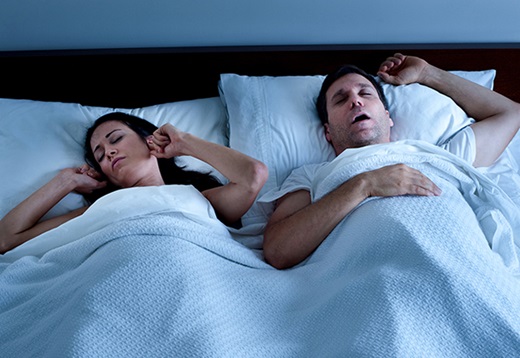
 Calm, non-blaming communication is key to addressing snoring as a team
Medical Interventions For Chronic, Severe Snoring
If simple fixes don’t work after 2–3 weeks, or if your partner shows red flags for sleep apnea, medical intervention is often the most effective long-term solution. Start by scheduling an appointment with a primary care provider or sleep specialist, who will likely recommend an at-home sleep study or in-lab polysomnography to diagnose breathing pauses and measure oxygen levels during sleep. Common treatments include:
- CPAP machines: The most common treatment for obstructive sleep apnea, CPAP machines deliver a steady stream of air to keep the airway open during sleep. Modern models are nearly silent, have built-in humidifiers to prevent dry mouth, and most users report a significant reduction in snoring within the first week of use, with full adjustment taking 2–4 weeks.
- Oral appliance therapy: For mild to moderate sleep apnea, a custom-fitted mandibular advancement device (MAD) holds the jaw forward during sleep to keep the airway open. These are smaller and more portable than CPAP machines, and work well for people who can’t tolerate CPAP masks.
- Lifestyle and surgical interventions: In rare cases, surgery to remove excess throat tissue, correct a deviated septum, or stiffen the soft palate may be recommended. Weight loss, reducing alcohol intake 3 hours before bed, and quitting smoking also reduce snoring long-term, as smoking irritates throat tissues and increases inflammation.
 CPAP therapy is the most common treatment for obstructive sleep apnea-related snoring
Common Mistakes To Skip
Even well-intentioned fixes can backfire if you don’t avoid these common errors:
- Relying solely on extra pillows: Stacking pillows can bend the neck, narrow the airway, and cause chronic neck pain. Use a single firm, contoured pillow instead to support proper alignment.
- Testing multiple fixes at once: Change only one variable at a time (e.g., start with earplugs for a week, then add white noise) so you can tell which solution is actually working.
- Ignoring red flags for sleep apnea: Don’t write off loud, chronic snoring paired with gasping or daytime fatigue as “just a nuisance.” Untreated sleep apnea has serious long-term health risks, and early intervention makes treatment far more effective.
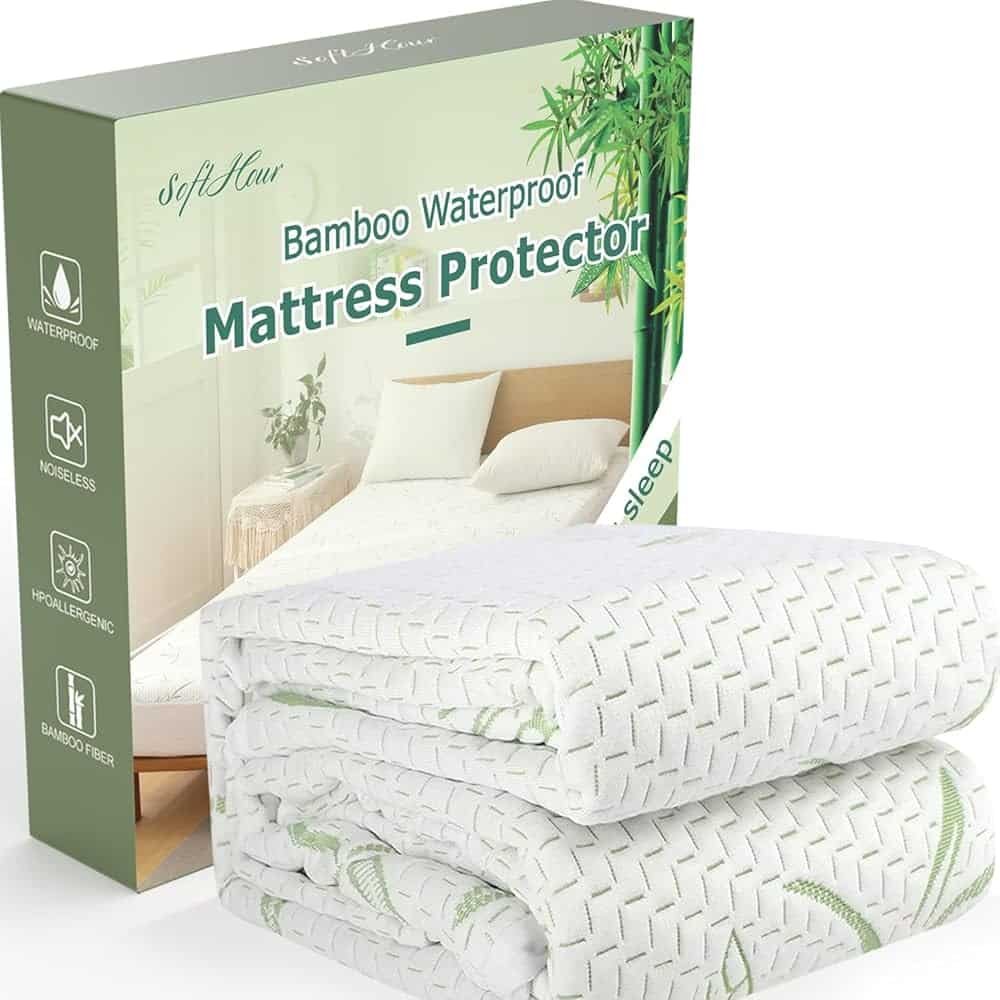
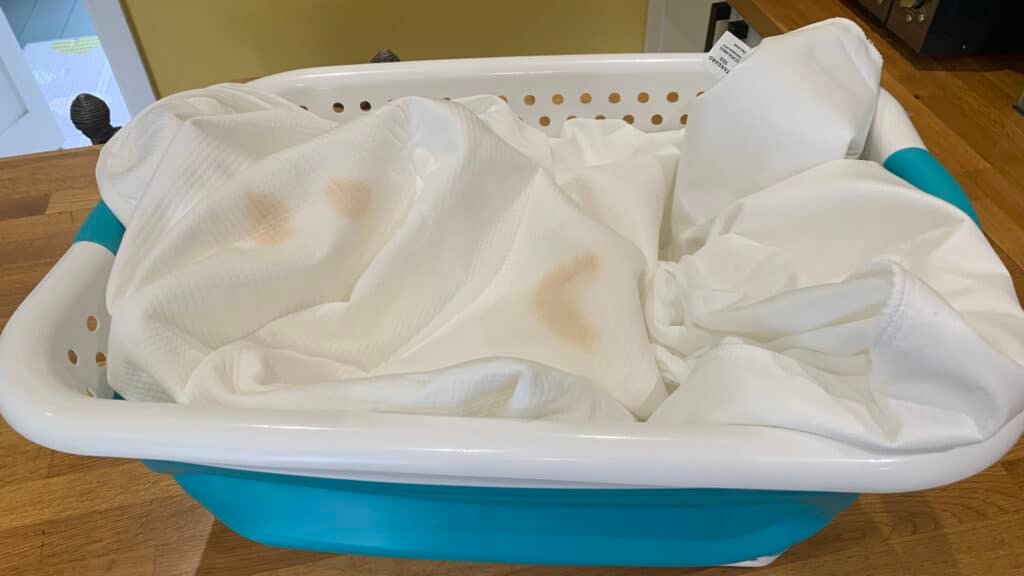
- Neglecting your own sleep hygiene: Even if your partner snores, sticking to a consistent bedtime, limiting blue light exposure in the hour before bed, and keeping your room dark and cool will make you more resilient to minor sleep disruptions. If your mattress pad is over 5 years old or has visible stains, it may be harboring allergens that worsen congestion; learn when to replace your gelform pad to keep your sleep space healthy.
 Tracking which fixes work for your specific situation helps you avoid wasting time on ineffective solutions
Frequently Asked Questions
Are earplugs safe to use every night with a snoring partner?
Yes, high-quality foam, silicone, or wax earplugs are safe for nightly use as long as you clean them regularly and replace them as recommended (every 2–4 weeks for foam, every 3–6 months for silicone or wax). If you experience ear pain, wax buildup, or ear infections, switch to wax earplugs or consult a doctor to rule out ear canal issues.
Will white noise machines damage my hearing?
No, white noise machines are designed to operate at safe volumes (50–60 decibels, equivalent to a quiet conversation). Avoid setting the volume higher than 70 decibels, which is the threshold for potential hearing damage over 8 hours of exposure.
Is sleeping in another room bad for my relationship?
Not at all. Many couples use separate sleeping arrangements temporarily or long-term to prioritize sleep quality, which reduces irritability and improves overall relationship satisfaction. The key is to maintain connection through pre-bed routines and daytime bonding, so the arrangement doesn’t feel like a punishment or a sign of relationship trouble.
How long does it take for a CPAP machine to reduce snoring?
Most users notice a significant reduction in snoring within the first week of consistent CPAP use, and full adjustment to the device takes 2–4 weeks. If you experience discomfort, work with your sleep specialist to adjust the mask fit or pressure settings to improve comfort.
Can home remedies really stop snoring long-term?
Home remedies like side sleeping, weight loss, reducing alcohol intake, and nasal strips can reduce or eliminate mild, occasional snoring long-term. For snoring caused by anatomical issues (like a deviated septum) or sleep apnea, home remedies alone are rarely enough, and medical intervention is usually required for lasting relief.
 A sleep specialist can diagnose underlying causes of chronic, loud snoring
Conclusion
Learning how to sleep with someone snoring doesn’t require drastic changes or expensive treatments—start with low-effort fixes like earplugs and white noise, adjust your bedroom setup to reduce airway obstruction, and address the issue as a team with open, non-blaming communication. If red flags for sleep apnea are present, don’t hesitate to seek medical help: effective treatments are available, and most people see significant improvement in their sleep quality within weeks. If you’ve tried these tips and still struggle with disrupted sleep, schedule an appointment with a primary care provider or sleep specialist to rule out underlying conditions like sleep apnea. For more science-backed sleep advice to improve your rest tonight, browse our full library of sleep guides.
Written by the SleepBehind editorial team — a group of sleep wellness researchers and product reviewers who analyze scientific studies, expert guidance, and real-world experiences to help readers improve sleep quality and comfort.