
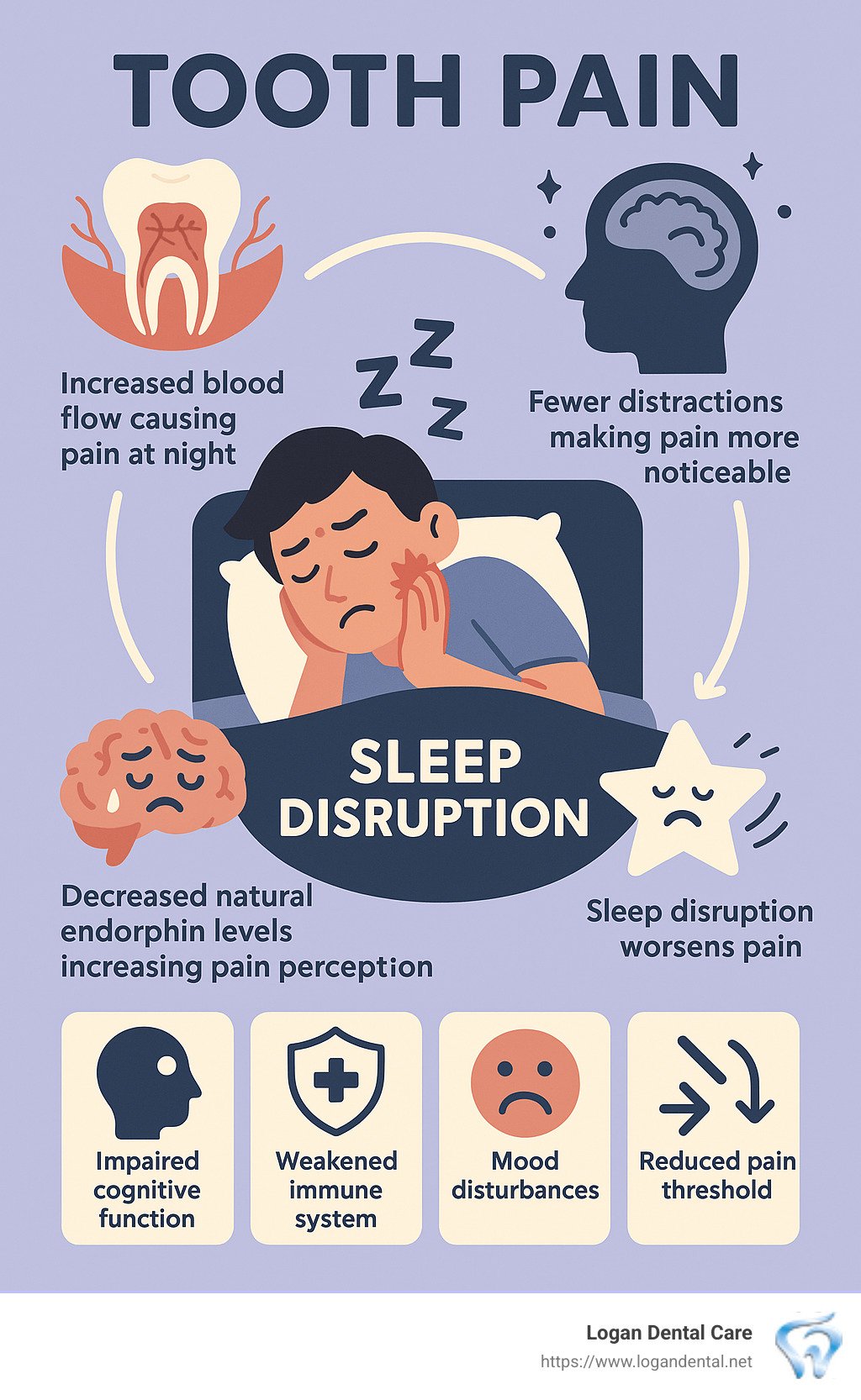
Few things disrupt sleep faster than a throbbing toothache that spikes the second your head hits the pillow. Lying flat increases blood flow to your head, amplifying pressure on inflamed tooth tissue, and the quiet of nighttime removes the distractions that usually mask mild pain during the day. If you’re staring at the ceiling wondering how to sleep with tooth pain, you’re not alone: dental emergencies are one of the most common after-hours medical complaints, per the American Dental Association. These evidence-based, short-term relief tips will help you get rest tonight, while clarifying exactly when you need to skip the home fixes and call a dentist immediately.
Why Tooth Pain Feels Worse At Night
Three key factors combine to make tooth pain feel far more intense after dark:
- Increased cranial blood flow: When you lie flat, gravity no longer pulls blood away from your head, raising pressure in the pulp (the soft inner tissue) of an inflamed or infected tooth. This amplifies throbbing sensations, especially for pain caused by cavities, cracked teeth, abscesses, or gum disease.
- Reduced sensory distraction: During the day, work, conversation, and movement occupy your brain’s pain processing centers. At bedtime, with no external stimuli, even mild dental pain can feel overwhelming.
- Natural inflammation spikes: Your body’s production of cortisol, a natural anti-inflammatory hormone, is lowest in the early morning hours. This means inflammation from dental infections often peaks overnight, worsening pain before you wake up. Common causes of nighttime-exclusive tooth pain include untreated cavities, cracked fillings, impacted wisdom teeth, bruxism (nighttime teeth grinding), and sinus infections that refer pain to your upper molars. You can also read our guide on why cant i fall asleep fast.
 Lying flat increases blood flow to the head, amplifying throbbing tooth pain at bedtime.
Image source: smilehilliard
Lying flat increases blood flow to the head, amplifying throbbing tooth pain at bedtime.
Image source: smilehilliard
Immediate 10-Minute Relief Tips To Try Tonight
These fast-acting, low-effort fixes can reduce pain in minutes, no special supplies required:
- Elevate your head: Use a wedge pillow or stack 2-3 firm pillows to keep your head 6-12 inches above your heart. This uses gravity to reduce blood flow to the painful area, lowering throbbing intensity. A common mistake is using soft, squishy pillows that collapse overnight, so opt for supportive foam or buckwheat hull pillows for consistent elevation. If you need to refresh your pillow collection, learn caring for your supportive pillows to keep them hygienic and effective.
- Apply a cold compress: Wrap an ice pack or bag of frozen peas in a thin towel, and hold it against your cheek near the painful tooth for 15 minutes. Wait 10 minutes, then repeat for up to 1 hour before bed. Cold constricts blood vessels, reducing swelling and numbing sharp pain. Never apply ice directly to your skin or the tooth itself, as extreme cold can damage sensitive tissue.
- Rinse with warm salt water: Mix ½ teaspoon of non-iodized salt into 8 ounces of warm (not hot) water, swish gently around the painful area for 30 seconds, then spit. This reduces bacteria, soothes irritated gum tissue, and flushes out debris that may be pressing on the tooth. Do not swallow the rinse, and avoid using too much salt, which can dry out oral tissue.
- Use diluted clove oil: Clove oil contains eugenol, a natural numbing compound approved by the U.S. Food and Drug Administration for temporary oral pain relief. Dab a single drop of clove oil mixed with a carrier oil (like olive oil) onto a clean cotton ball, and press it gently against the painful tooth or surrounding gum. Avoid swallowing excess oil, and discontinue use if you experience burning or irritation.
- Take safe OTC pain medication: For pain accompanied by inflammation (swelling, throbbing), ibuprofen (an NSAID) is the most effective over-the-counter option. For people who cannot take NSAIDs (due to stomach ulcers, kidney disease, or blood thinner use), acetaminophen is a safe alternative for mild to moderate pain. Never exceed the labeled daily dose, and avoid giving aspirin to children or teenagers with viral infections, as it can trigger Reye’s syndrome.
 Simple immediate actions like elevation and cold compresses can reduce pain in minutes.
Image source: logandental
Simple immediate actions like elevation and cold compresses can reduce pain in minutes.
Image source: logandental
Common Mistakes To Avoid
- Do not apply aspirin directly to your gums or the painful tooth: aspirin is acidic and can cause chemical burns to oral tissue, worsening pain.
- Do not use numbing gels for longer than 3 days in a row: prolonged use can cause oral tissue damage and mask worsening infection.
- Do not rely on alcohol-based mouthwashes: these can irritate inflamed gums and dry out oral tissue, increasing discomfort.
For quick access to relief, keep a small tooth pain kit by your bedside with: a wedge pillow or extra firm pillows, a small ice pack, salt packets, a small bottle of diluted clove oil, and OTC pain relievers. This way you can implement fixes within 2 minutes of pain starting, no fumbling in the kitchen or medicine cabinet in the dark.
Longer Pre-Bed Routines To Reduce Pain
These remedies take a few extra minutes but can provide longer-lasting relief as you wind down:
- Alternate cold and warm therapy for jaw pain: If your tooth pain is tied to bruxism or temporomandibular joint (TMJ) tension, alternate 15 minutes of cold therapy (to reduce swelling) with 10 minutes of warm therapy (to relax tight jaw muscles) for 30-45 minutes before bed. A warm, damp washcloth works well for this step. In clinical practice, this combined approach is often more effective for jaw-related toothaches than either therapy alone.
- Avoid pain-triggering foods and drinks: Skip extremely hot, cold, acidic, or sugary foods and drinks in the 2 hours before bed. These can irritate sensitive teeth, trigger cavity-causing bacteria activity, and worsen inflammation.
- Stick to a soft, bland dinner: Opt for foods like oatmeal, yogurt, scrambled eggs, or mashed potatoes to avoid putting pressure on a sore tooth while chewing. Avoid sticky or hard foods like caramel, nuts, or crusty bread that can dislodge fillings or crack already weakened teeth.
- Use a topical oral gel sparingly: Benzocaine-based oral gels can numb surface pain for 1-2 hours. Use only a pea-sized amount, and avoid applying it to open sores or broken skin in the mouth. Discontinue use if you experience numbness that lasts longer than 2 hours, or if you notice redness or swelling.
 Combining cold and warm therapy can ease jaw-related toothache to help you fall asleep.
Image source: zumbrofamilydental
Combining cold and warm therapy can ease jaw-related toothache to help you fall asleep.
Image source: zumbrofamilydental
Sleep Position And Bedroom Adjustments For Maximum Comfort
Small changes to your sleep environment can cut pain intensity and help you fall asleep quickly despite discomfort:
- Sleep semi-reclined: A wedge pillow is more effective than stacking regular pillows, as it provides consistent, even support for your head and neck. Sleeping at a 30-45 degree angle reduces blood flow to the head, lowering throbbing pain. If you use extra pillows for elevation, make sure they’re firm enough to support your neck to avoid strain that could worsen discomfort.
- Sleep on the opposite side of the painful tooth: If you have pain on your right side, lie on your left, and vice versa. This avoids putting direct pressure on the sore tooth or surrounding inflamed tissue. If you’re a back sleeper, add an extra pillow under your knees to reduce pressure on your lower back, which can tense up if you’re avoiding rolling onto the painful side.
- Keep your bedroom cool and dark: Aim for a temperature of 60-67°F (15-19°C), which is the ideal range for reducing inflammation and promoting deep sleep. Blackout curtains and a cool-mist humidifier can help if dry air is irritating your nasal passages or sore gums.
- Use white noise to mask pain signals: The sound of your own heartbeat or quiet household noises can amplify pain perception at night. A white noise machine or calming playlist can mask these sounds, making it easier to drift off. If your pain is disrupting your sleep regularly, keeping keeping your sleep surface in top condition and cleaning your mattress protector regularly can reduce allergens and irritants that might worsen inflammation.
 Always follow labeled dosing guidelines for OTC medications to avoid side effects.
Image source: sdentalnj
Always follow labeled dosing guidelines for OTC medications to avoid side effects.
Image source: sdentalnj
When To Skip Home Remedies And See A Dentist Immediately
Home fixes are only for short-term relief. Untreated tooth infections can spread to your jawbone, sinuses, or even your brain if left unaddressed, per guidance from the American Dental Association. Seek emergency dental or medical care right away if you experience any of the following red flags:
- Fever over 101°F, chills, or general malaise (signs of a spreading infection)
- Swelling that spreads to your jaw, neck, or face, or swelling that makes it hard to open your mouth fully
- Trouble breathing or swallowing (a sign the infection is spreading to your airway)
- Pus or foul-tasting fluid draining from your gums
- A tooth that is cracked, knocked loose, or knocked out completely (you have 30-60 minutes to see a dentist to save a knocked-out tooth)
- Pain that lasts longer than 2-3 days despite OTC medication and home remedies
If you have mild pain without these red flags, book a routine dental appointment within 1-2 days to diagnose and treat the underlying cause. If you’re feeling unwell alongside your tooth pain, prioritize rest and medical care just as you would when managing rest while unwell.
 Adjusting your sleep position and bedroom setup can reduce pain intensity at night.
Image source: tomballdentist
Adjusting your sleep position and bedroom setup can reduce pain intensity at night.
Image source: tomballdentist
Preventing Future Nighttime Tooth Pain
The only permanent fix for recurring nighttime tooth pain is addressing the underlying cause, but these habits reduce your risk of future flare-ups:
- Brush twice daily with a soft-bristled toothbrush and fluoride toothpaste, and floss nightly to remove plaque from between teeth where cavities often form.
- Limit sugary snacks and drinks before bed, as sugar feeds cavity-causing bacteria that produce acid and erode enamel overnight.
- Wear a custom night guard if you grind or clench your teeth at night – this is a leading cause of unexplained nighttime tooth and jaw pain.
- Schedule routine dental checkups every 6 months to catch cavities, cracks, and gum disease early, before they cause pain.
- Manage seasonal allergies or sinus infections with saline sprays or over-the-counter allergy medications as directed, as sinus pressure often causes referred pain to the upper molars that feels like a toothache.
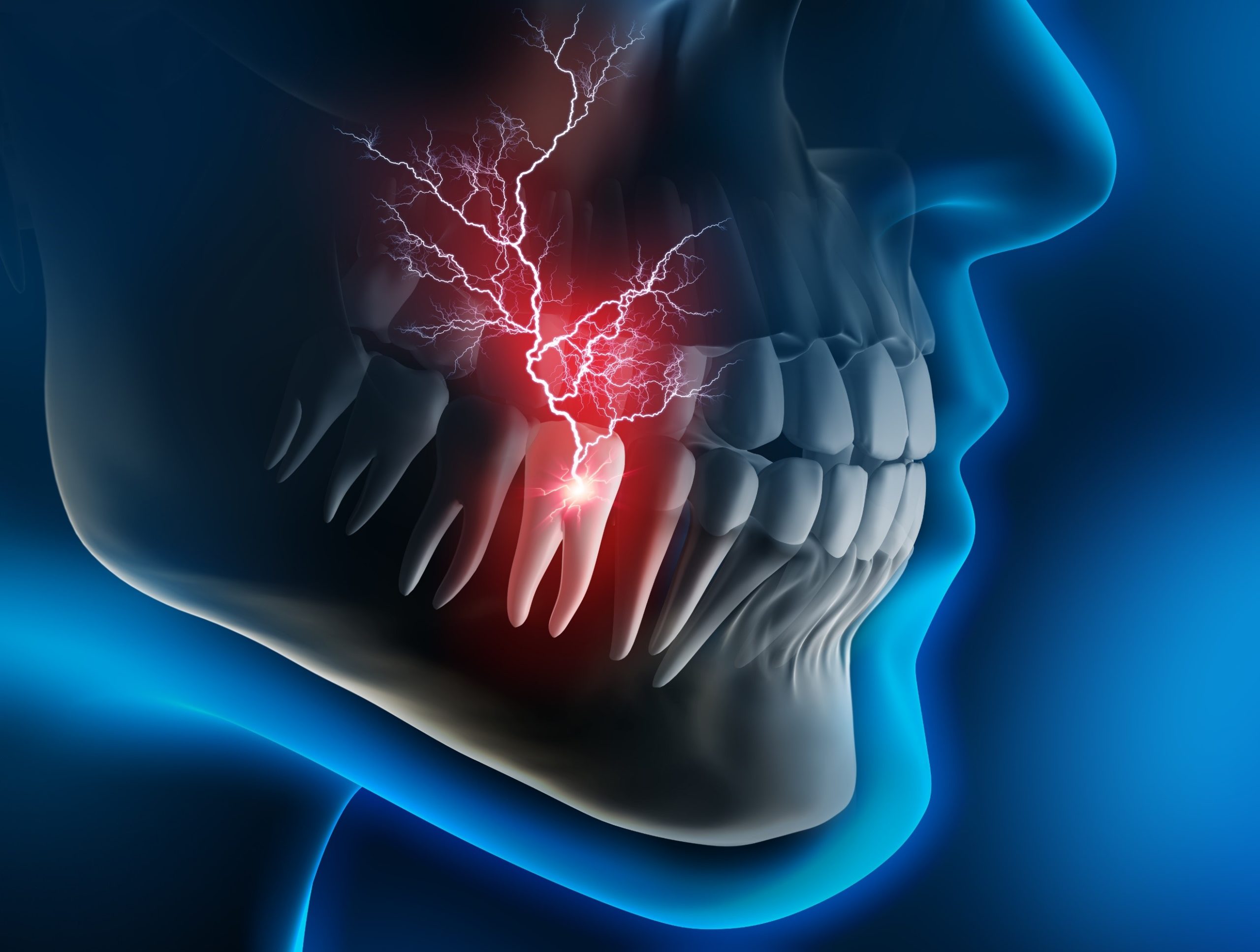 Consistent preventive dental care is the best way to avoid future nighttime tooth pain.
Image source: spirosaatidmd
Consistent preventive dental care is the best way to avoid future nighttime tooth pain.
Image source: spirosaatidmd
Frequently Asked Questions
How quickly do OTC pain relievers work for nighttime tooth pain?
Immediate-release ibuprofen or acetaminophen typically starts easing pain within 20-60 minutes of taking it. For fastest relief, take the medication as soon as pain starts, rather than waiting for it to become severe. Extended-release formulas may take longer to work, so they are not ideal for sudden, acute nighttime pain.
Is clove oil safe for overnight tooth pain relief?
Yes, diluted clove oil is safe for short-term use (1-2 nights) for most adults. Always mix it with a carrier oil like olive or coconut oil to avoid gum irritation, and avoid using it if you have a known allergy to cloves or eugenol. Discontinue use if you experience burning, redness, or swelling in the application area.
Can I sleep through a mild toothache without seeing a dentist?
Short-term use of home remedies and OTC pain relievers is safe for 1-2 nights while you wait for a routine dental appointment. Do not delay care for longer than 72 hours, as untreated infections can spread and require more invasive, expensive treatment like root canals or extractions.
Does elevating my head actually reduce tooth pain?
Yes, sleeping semi-reclined reduces blood flow to the head by 20-30% when elevated 6-12 inches, which lowers pressure on inflamed tooth pulp and reduces throbbing sensations. This is one of the most effective, low-effort fixes for nighttime tooth pain, per patient feedback collected by the American Dental Association.
When is nighttime tooth pain a medical emergency?
Seek emergency care immediately if you have trouble breathing or swallowing, high fever, rapidly spreading swelling, or a knocked-out tooth. These symptoms can indicate a life-threatening spreading infection, or a tooth that can be saved if treated within 1-2 hours.
 Common questions about safe relief and when to seek emergency dental care.
Image source: westhartforddentalgroup
Common questions about safe relief and when to seek emergency dental care.
Image source: westhartforddentalgroup
Final Takeaway
These short-term fixes can help you get rest tonight while you wait to see a dentist, but they are not a permanent solution to underlying dental issues like cavities, abscesses, or bruxism. The only way to stop recurring nighttime tooth pain is to address the root cause with professional dental care. If you’re struggling to drift off while managing discomfort, our guide to falling asleep quickly despite discomfort has gentle, low-effort techniques to help you rest without relying on medication. Book a dental appointment as soon as possible to diagnose and treat your pain, and avoid future sleepless nights.
Related Posts
 Need to adjust your sleep surface for better comfort? Our guide has step-by-step instructions.
Image source: sleepbehind
Need to adjust your sleep surface for better comfort? Our guide has step-by-step instructions.
Image source: sleepbehind
How To Cut Foam Mattress Topper: Easy Precise Guide
cutting a foam topper to fit your space

Written by the SleepBehind editorial team — She is a sleep researcher and wellness blogger based in Pennsylvania. Passionate about helping people optimize their sleep.