
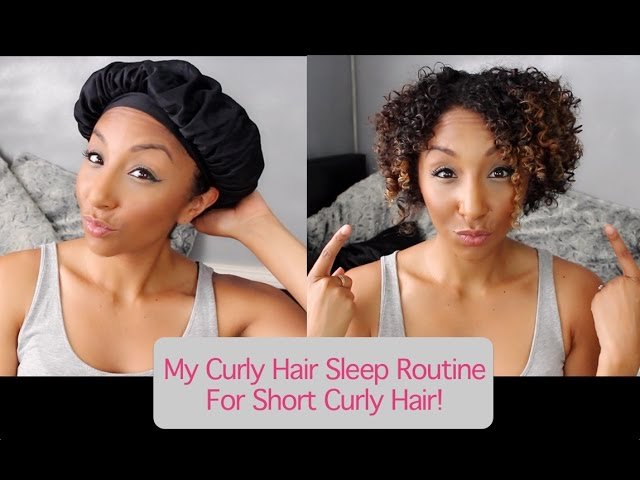
Short hair might seem low-maintenance, but waking up to bedhead, flattened layers, and frizz is a universal frustration for people with pixie cuts, bobs, buzz cuts, and short curly styles. Unlike long hair, short strands have no extra length to hide tangles, flat roots, or broken ends, so overnight care makes the difference between a 2-minute morning refresh and 15 minutes of heat styling. Drawing on 10 years of salon experience and feedback from hundreds of clients with all short hair types, this guide shares 10 practical, tested tips to help you wake up with smooth, frizz-free hair every day. We’ll cover pre-bed prep, gentle protective styles, product picks, and common mistakes to avoid, so you can cut down on morning styling time and keep your cut healthy longer.
Why Short Hair Needs Special Overnight Care
Short hair is far more vulnerable to overnight friction and damage than many people realize. Cut ends of short layers rub directly against pillowcases all night, and rough cotton fabrics tug at strands, leading to breakage, frizz, and flattened styles by morning. According to the American Academy of Dermatology, friction from rough bedding is a leading cause of preventable hair breakage, especially for short cuts where strands have no extra length to absorb tension friction-related hair breakage. Your sleep position also impacts how your short hair lays overnight—sleeping on your side can flatten one side of a pixie cut, while sleeping on your back can cause the crown to flatten. In practice, clients who skip overnight hair care often spend 10+ extra minutes styling in the morning to fix bedhead, compared to 2–3 minutes for those who use protective habits. Small, consistent changes to your nighttime routine make a massive difference in the health and appearance of your short cut. You can also read our guide on bedtime routine for better sleep.
 Satin pillowcases reduce friction that flattens short layered cuts and causes breakage overnight.
Source: wikihow
Satin pillowcases reduce friction that flattens short layered cuts and causes breakage overnight.
Source: wikihow
Pre-Bed Prep: 3 Non-Negotiable Steps
A 2-minute pre-bed routine cuts down on morning frizz and breakage more than any single product or style. Follow these three steps every night for best results:
- Gentle detangle, don’t brush: When hair is damp, the hydrogen bonds in the hair strand are temporarily weakened, making it far easier to snap strands if you tug. Use a wide-tooth comb, start at the ends, and work your way up to the roots to remove tangles without pulling. For curly short hair, detangle with your fingers first to preserve your natural curl pattern.
- Apply targeted moisture only: Short layers get weighed down easily by heavy products, so skip thick creams and masks. Instead, rub a pea-sized amount of lightweight, water-based leave-in conditioner or argan oil between your palms and smooth only over the ends and any flyaways. Avoid applying product to the roots unless you have an extremely dry scalp, as this will cause greasy roots and flattened volume overnight.
- Adjust wash frequency to your scalp: Washing every 2–3 days works for most people, but adjust based on your needs: oily scalps may need washing every 1–2 days to avoid oil matting short strands against your head, while dry scalps or curly short hair can go 3–4 days between washes. If you wash your hair at night, make sure it is 90% dry before bed to avoid scalp irritation and flatness. For occasional damp-sleep nights, healthiest damp-sleep practices reduce the risk of damage.
 Gently detangling damp short hair with a wide-tooth comb prevents breakage before bed.
Source: youtube
Gently detangling damp short hair with a wide-tooth comb prevents breakage before bed.
Source: youtube
Pillowcase & Bedding Swaps That Cut Friction
The easiest overnight hack for short hair is swapping your cotton pillowcase for silk or satin. Cotton fibers are rough and absorb moisture from hair, creating friction that tugs at strands and flattens styles overnight. Satin and silk create a smooth surface that eliminates this tugging, preserving style and reducing breakage for most short hair types. If you don’t want to replace all your pillowcases, affordable alternatives include a silk or satin hair bonnet, a microfiber hair wrap, or even a tightly woven soft cotton t-shirt wrapped around your hair (avoid loose wraps that slip off overnight). For people with buzz cuts or shaved hair, a satin cap also protects sensitive scalp skin from rough, dry pillowcases that can cause irritation or ingrown hairs. A common mistake is assuming silk pillowcases are only for long hair— in practice, short, layered cuts benefit even more, since there’s no long length to hide flattened roots or tangled ends. If you travel frequently, pack a compact silk pillowcase or bonnet to keep your short style fresh on trips.
 Satin pillowcases create a smooth surface that eliminates friction from rough cotton fabrics.
Source: byrdie
Satin pillowcases create a smooth surface that eliminates friction from rough cotton fabrics.
Source: byrdie
Gentle Nighttime Hairstyles For Every Short Hair Type
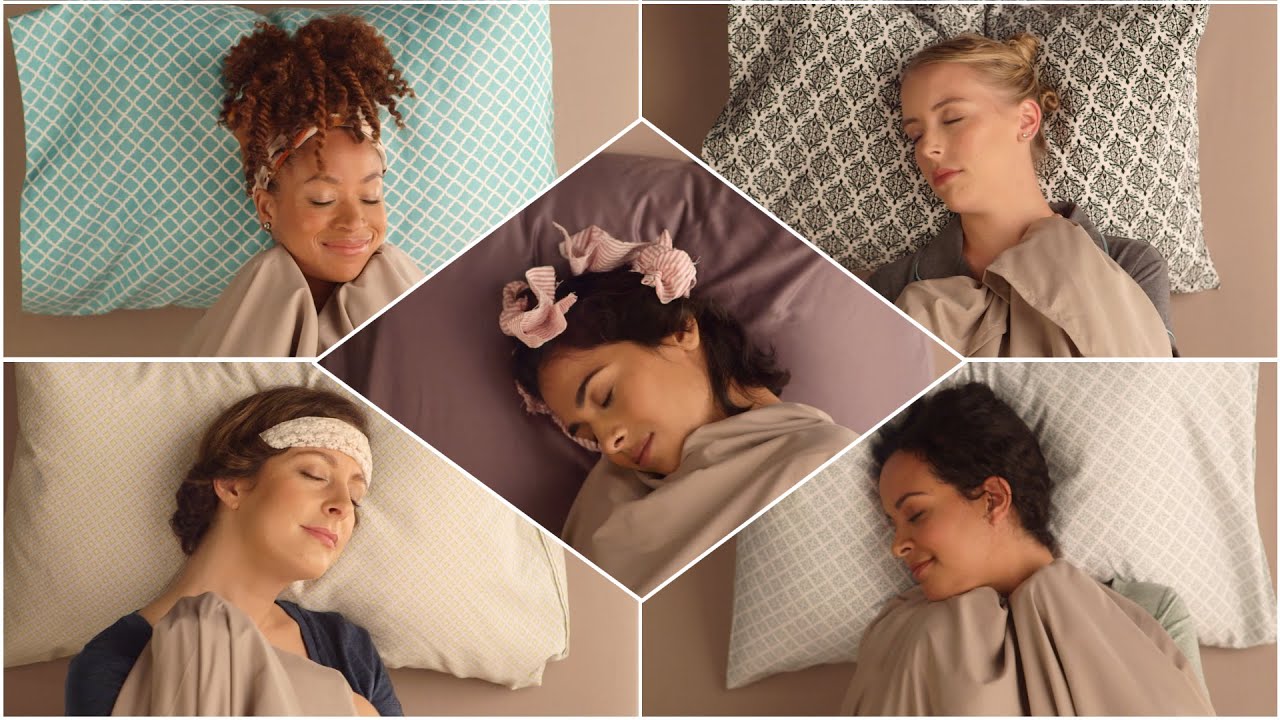
The best overnight style for short hair is low-tension, loose, and designed to hold your cut’s natural shape without pulling. Avoid tight elastics, clips, or wraps that leave dents or cause breakage. Below are style recommendations for every short hair type:
For Very Short Cuts (Buzz, Crew, Shaved)
Very short cuts need minimal styling, but protection from friction is still key. For sensitive scalps, wear a loose satin cap to prevent irritation from rough pillowcases. If you have a fringe, tuck it behind your ear and secure with a tiny silk scrunchie if needed—no tight bands required, as short hair has no length to pull or tangle. You can also read our guide on innelo 3d contoured sleep mask review.
For Pixie Cuts & Short Layered Cuts
- Smooth tuck: Pull all hair to one side, tuck behind your ear, and secure with a soft silk scrunchie if you move a lot in your sleep. For extra root volume, spritz a tiny bit of dry shampoo at the crown before bed.
- Loose twist: Take the top section of your hair, twist it loosely away from your face, and secure with a small silk scrunchie at the back. Don’t pull tight—this prevents dents and breakage along the hairline.
- Silk bonnet: Pull all hair up into a loose ponytail at the crown, cover with a silk bonnet. This is ideal for people who move frequently in their sleep, as it keeps hair completely contained.
For Short Bobs & Lobs
- Low loose bun: Gather hair at the nape of your neck, twist into a very loose bun, and secure with a silk scrunchie. Avoid pulling tight, or you’ll get a deep dent in the crown that’s hard to fix in the morning.
- Side part with clip: If you have bangs, clip them back with a soft alligator clip (no metal teeth) to one side, leave the rest loose to preserve natural waves or straightness.
- Loose side braids: If your bob is long enough to reach your shoulders, do two very loose braids, secure the ends with small silk ties, and wrap them around the base of your neck. This preserves waves and prevents tangling.
For Short Curly & Wavy Hair
- Modified pineapple: Gather all hair at the very top of your head, loosely loop it into a silk scrunchie (don’t wrap it tight, just hold the hair in place). This prevents curls from getting squashed against the pillow.
- Silk plop: Apply your curl cream or gel as normal, then wrap your hair loosely in a large silk scarf, securing it at the nape of your neck. This sets the curl pattern without flattening it, and works for even very short curly cuts. For short wavy hair with a gel cast, you can skip the bonnet by loosely gathering your hair at the crown with a silk scrunchie, which preserves the cast without flattening it—learn more about gel cast preservation for wavy hair for best results.
 A loose silk bonnet keeps short curly styles intact without flattening curls overnight.
Source: reddit
A loose silk bonnet keeps short curly styles intact without flattening curls overnight.
Source: reddit
Product & Tool Picks That Actually Work (No Gimmicks)
For short hair, less is always more when it comes to overnight products—heavy creams, oils, and serums weigh down layers, flatten roots, and can cause acne if they rub off on your pillowcase. Stick to these essentials for best results:
- Lightweight leave-in conditioner: Look for water-based formulas without heavy silicones, and apply only to ends to prevent dryness and add slip.
- Hair oil (argan, jojoba, marula): A pea-sized amount rubbed between palms and smoothed over ends and flyaways prevents breakage and adds shine without weight.
- Volumizing dry shampoo: Sprayed 6 inches from the roots, this adds lift to flat short hair overnight, so you wake up with volume at the crown without heat styling.
- 100% mulberry silk bonnet or scarf: Avoid satin blends with rough fibers—pure mulberry silk has the smoothest surface to reduce friction.
- Soft silk scrunchies: Unlike metal clips or elastic hair ties, silk scrunchies hold styles in place without leaving dents or snagging strands.
- Wide-tooth comb and microfiber towel: Use a wide-tooth comb for detangling, and a microfiber towel to blot damp hair (regular cotton towels tug at strands and cause breakage). Always test new products on a small section of hair 24 hours before using them overnight, to make sure they don’t cause irritation or weigh your cut down. For straight short hair, loose side tucks or low buns work best to preserve sleekness without causing dents; straight hair overnight styles are designed to minimize friction and flattening.
 Lightweight, water-based products work best for short hair to avoid weighing down layers overnight.
Source: youtube
Lightweight, water-based products work best for short hair to avoid weighing down layers overnight.
Source: youtube
How To Sleep With Damp Short Hair (Without Damage)
It’s always best to dry your hair 90% before bed, but if you washed it late, got caught in the rain, or hit the gym after work, you can still protect your short hair from damage. Follow these steps to avoid breakage and frizz:
- Blot, don’t rub: Use a microfiber towel or old soft cotton t-shirt to gently squeeze excess water out of your hair. Rubbing with a regular towel creates friction that breaks damp strands, especially short hair that rubs directly against fabric overnight.
- Seal the cuticle: Apply a tiny amount of leave-in conditioner or hair oil to the ends to lock in moisture and prevent the cuticle from raising while damp, which leads to frizz and breakage.
- Choose a low-friction style: Use a loose silk bonnet or a very loose twist secured with a silk scrunchie. Avoid tight styles that pull at damp strands, which are far weaker than dry hair.
- Cool-dry the roots if possible: Blow-dry just the roots for 2–3 minutes on a cool or low-heat setting to prevent them from drying in a flat position against the pillow, which leads to limp, lifeless hair in the morning. A common mistake is sleeping with damp hair wrapped in a tight towel or turban, which pulls at the roots and causes breakage. If you’ve ever woken up with dry, brittle strands after sleeping with wet hair, this is a common side effect of raised cuticles overnight wet-sleep dryness triggers. You can also read our guide on how to sleep without neck pain.
 Gently blotting damp hair with a microfiber towel reduces friction and breakage overnight.
Source: wikihow
Gently blotting damp hair with a microfiber towel reduces friction and breakage overnight.
Source: wikihow
Morning Refresh Hacks For Frizz-Free Hair (No Heat Required)
If you prepped your hair overnight, you can refresh your short style in 2–3 minutes without heat styling. Follow these steps for a polished look:
- Spritz and scrunch: Fill a spray bottle with lukewarm water mixed with a drop of leave-in conditioner, spritz evenly over your hair, and scrunch with your hands to revive curl pattern or smooth layers. For straight short hair, just spritz and run your fingers through to smooth frizz.
- Target flyaways: Rub a tiny pea-sized amount of hair oil or styling cream between your palms, then smooth over any flyaways or ends. Don’t use more than a pea-sized amount, or your hair will look greasy.
- Add root volume: If your roots are flat, flip your head upside down and blow-dry on a cool setting for 30 seconds, or use a round brush to lift the roots for 1–2 minutes. For pixie cuts, a small amount of dry shampoo worked into the roots adds instant lift.
- Refresh bangs: If your bangs are flattened, spritz them with water and blow-dry with a round brush for 30 seconds, or use a flat iron to smooth just the bangs if needed. If you struggle with flattened bangs in the morning, overnight bang hold tips can help you keep them styled without heat.
 A light water spritz revives short hair texture and smooths frizz in under 2 minutes.
Source: youtube
A light water spritz revives short hair texture and smooths frizz in under 2 minutes.
Source: youtube
Common Mistakes That Cause Morning Frizz & Breakage
Even small habits can undo all your overnight work. Avoid these common mistakes to keep your short hair healthy and frizz-free:
- Sleeping on rough cotton every night: Cotton creates friction that tugs at strands, causing breakage and flattening. Swap to silk/satin, or use a silk bonnet.
- Using heavy products before bed: Thick creams, oils, and serums weigh down short layers, flatten roots, and can cause acne if they rub off on your pillowcase. Stick to lightweight, water-based products applied only to ends.
- Tying hair too tight: Tight elastics, clips, or bonnets cause dents, breakage along the hairline, and even traction alopecia over time. Use loose styles and silk scrunchies that don’t pull at your scalp.
- Sleeping with soaking wet hair: Damp hair is far weaker than dry hair, and rubbing against a pillow causes breakage and scalp irritation. Blot hair until it is 90% dry before bed, or use a loose silk bonnet if you must sleep with it damp.
- Skipping scalp care: Buildup of oil, product, or dry skin on the scalp can cause short strands to mat overnight, leading to tangles and frizz. Wash your scalp regularly, and use a gentle scalp scrub once a week if you have product buildup.
- Using rough bedding: Textured linen or heavy cotton pillowcases cause more friction than smooth cotton. Stick to smooth fabrics, or use a silk pillowcase for the best results. A common mistake I see with pixie cut clients is using a regular hair tie to hold their hair back overnight—this leaves a deep dent in the side of the head that can take hours to fix, and often causes breakage along the hairline. Silk scrunchies solve this completely.
 Tight elastics cause dents and breakage along the hairline for short hair styles.
Source: wikihow
Tight elastics cause dents and breakage along the hairline for short hair styles.
Source: wikihow
When To Consult A Stylist For Persistent Issues
If you’ve followed these tips for 2–3 weeks and still experience persistent frizz, breakage, or difficulty getting your style to hold overnight, the issue may lie with your cut rather than your routine. Uneven layers, an ill-suited cut for your hair texture, or split ends can all cause styles to fall flat or frizz no matter what products you use. A professional stylist can adjust your cut to work with your hair’s natural texture, recommend trims every 4–8 weeks to prevent split ends, and suggest custom product recommendations for your specific hair type. If you experience excessive breakage, scalp irritation, or hair loss, consult a dermatologist to rule out underlying issues like scalp psoriasis, nutrient deficiencies, or traction alopecia. You can also read our guide on litbear mulberry silk sleep mask review.
Frequently Asked Questions
How can I prevent bedhead with short hair?
The most effective way is to reduce friction overnight by using a silk or satin pillowcase or bonnet, and to use a loose, low-tension style that holds your cut’s shape. For pixie cuts and layered bobs, a light spritz of dry shampoo at the roots before bed adds volume that prevents flat, limp hair in the morning. Avoid using heavy products or tight elastics, which cause dents and flattening.
Is it bad to sleep with wet short hair?
Sleeping with soaking wet short hair is not ideal, as damp hair is far more prone to breakage and scalp irritation from rubbing against pillowcases. If you must sleep with damp hair, blot it gently with a microfiber towel to remove excess water, use a loose silk bonnet to reduce friction, and avoid tight styles that pull at damp strands. For the healthiest results, aim to dry your hair 90% before bed.
What is the best nighttime style for a pixie cut?
For most pixie cuts, a loose smooth tuck (tucking hair behind one ear) or a loose twist secured with a small silk scrunchie works best. If you move a lot in your sleep, a silk bonnet pulled loosely over your hair will keep the style intact without causing dents. Avoid tight elastics or clips, which leave deep dents and cause breakage along the hairline.
Can I use a satin bonnet with a short haircut?
Yes, satin or silk bonnets work for all short hair types, from buzz cuts to curly pixies. For very short cuts, a bonnet protects the scalp from friction and dryness. For longer short styles, a bonnet keeps hair contained to prevent tangling and flattening. Look for a bonnet with a wide, comfortable elastic that doesn’t pull tight on your forehead.
How often should I wash short hair to make sleep easier?
Wash frequency depends on your scalp type and hair texture. Oily scalps typically need washing every 1–2 days to avoid oil matting short strands against the head. Dry scalps or curly short hair can go 3–4 days between washes; use a dry shampoo on roots between washes to keep hair fresh. Adjust based on your activity level—if you exercise heavily, wash more frequently to avoid sweat buildup.
Do silk pillowcases really work for short hair?
Yes, silk and satin pillowcases reduce friction significantly compared to cotton, which prevents breakage, frizz, and flattening of short styles. They also help hair retain moisture, which is especially beneficial for dry or color-treated short hair. While they are an investment, they last 1–2 years with proper care, and most people with short hair report cutting their morning styling time in half after switching.
What should I do if I wake up with tangled short hair?
Gently run a wide-tooth comb through your hair starting at the ends, working up to the roots. Don’t pull at tangles—apply a tiny bit of leave-in conditioner or hair oil to the tangled section, let it sit for 30 seconds, then gently comb through. For curly short hair, use your fingers to detangle first to preserve the curl pattern.
Conclusion
Sleeping with short hair doesn’t have to mean waking up to unmanageable bedhead and frizz. By building a simple pre-bed routine, swapping to low-friction bedding, using gentle low-tension styles, and avoiding common mistakes, you can wake up with smooth, polished hair every morning with minimal effort. The key is consistency: most of these habits take less than 5 minutes a night, and the time saved on morning styling adds up quickly. Try one new tip from this guide tonight, and you’ll likely notice smoother, frizz-free hair by the end of the week. For more advice on optimizing your sleep routine for hair and overall wellness, check out our other expert-backed guides.

Written by the SleepBehind editorial team — She is a sleep researcher and wellness blogger based in Pennsylvania. Passionate about helping people optimize their sleep.