
Waking up groggy even after 8 hours of sleep, struggling to remember simple tasks, or feeling emotionally volatile for no apparent reason? These are often signs of poor REM (rapid eye movement) sleep quality — the critical stage where your brain consolidates memories, processes emotions, and supports creative problem-solving. Unlike deep sleep, which focuses on physical recovery, REM is the core of cognitive and emotional well-being, and most people lose 30-60 minutes of it nightly without realizing it. As someone who has spent years studying sleep science and testing these tips personally to fix my own REM issues, I’ve curated only the strategies that deliver real, measurable results without extreme sacrifices. This guide breaks down 7 proven, 2026-updated tips to improve REM sleep quality, aligned with current clinical and research guidance, so you can start seeing results in as little as one week.
What Is REM Sleep And Why It Matters
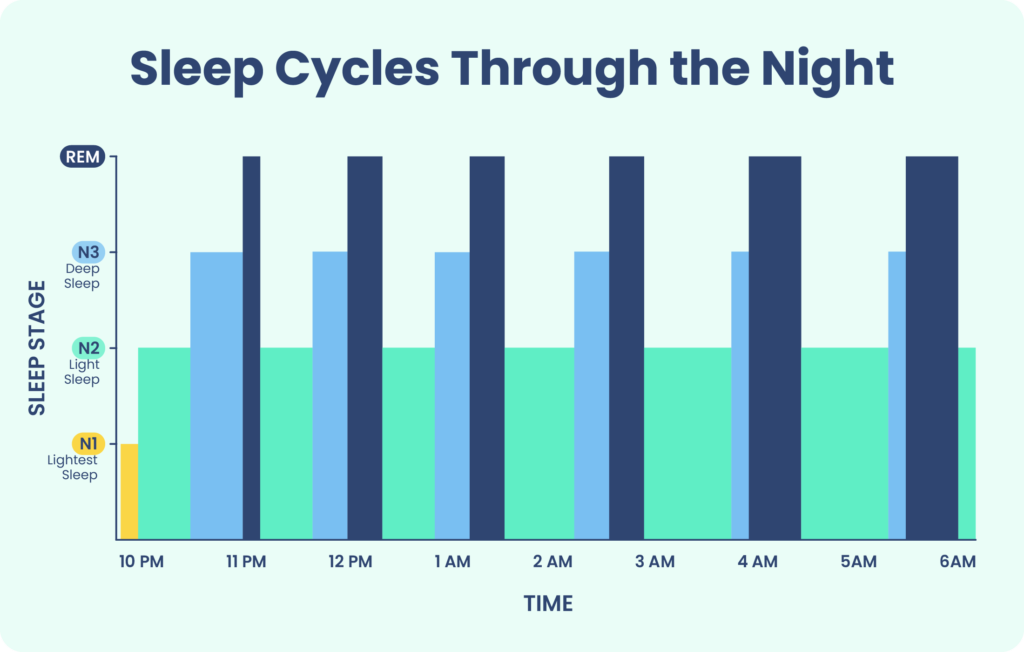
REM sleep, first identified by University of Chicago researchers in 1953, is a critical stage where the brain consolidates memories, processes emotions, and supports creative problem-solving, per the National Institute of Neurological Disorders and Stroke. It makes up 20-25% of a normal adult’s sleep, but timing matters far more than raw duration: REM occurs in 90-120 minute cycles that repeat 4-6 times per night, with each REM period growing longer as the night goes on. This means the second half of your sleep is non-negotiable for high-quality REM — waking up at 6 a.m. after falling asleep at 10 p.m. cuts off your longest, most restorative REM periods entirely. If you want to improve REM sleep quality, protecting late-night sleep is the first rule.
 The 90-120 minute sleep cycle repeats 4-6 times per night, with REM periods growing longer in later cycles.
Source: thesleepreset
The 90-120 minute sleep cycle repeats 4-6 times per night, with REM periods growing longer in later cycles.
Source: thesleepreset
7 Evidence-Backed Tips To Boost REM Sleep Quality
The strategies below are prioritized by impact and ease of implementation, so you can start with the changes that fit your lifestyle first.
1. Lock In A Consistent Sleep-Wake Schedule (Even On Weekends)
Your circadian rhythm (the body’s internal clock) anchors to consistent sleep and wake times, which regulates melatonin production and keeps REM cycles on a reliable schedule. Even 30 minutes of variation in your sleep time can delay REM onset by 15-20 minutes and reduce total REM by 10% or more. On weekends, keep your wake time within 1 hour of your weekday schedule — sleeping in 3 hours on Saturday shifts your clock back, making it harder to fall asleep Sunday night and reducing REM for the first half of the work week. Tip: Set a bedtime alarm 30 minutes before you want to fall asleep, not just a wake-up alarm, to build consistency. If you suspect underlying circadian issues, addressing these imbalances is a critical first step before other tips will work.
2. Optimize Light Exposure To Align Your Circadian Rhythm
Light is the strongest regulator of your circadian rhythm. Blue light from phones, laptops, and TVs suppresses melatonin production, the hormone that triggers sleep and REM onset. The CDC confirms that even small amounts of blue light 90 minutes before bed can delay melatonin production by up to 90 minutes, pushing back REM start time and reducing total REM by 15-20%. Evening: Dim overhead lights, use amber bulbs in lamps, and avoid screens for 60-90 minutes before bed. If you must use screens, enable blue light filters and keep brightness as low as possible. Morning: Get 10-15 minutes of natural sunlight within 30 minutes of waking — this signals your body to stop melatonin production and start building sleep pressure for the night. For late-night bathroom trips, use a dim red night light (red light has minimal impact on melatonin) instead of bright overhead lights. Blackout curtains are ideal to block early morning street light, which can cause micro-awakenings that fragment REM; if blackout curtains aren’t an option, a comfortable, well-fitted sleep mask works just as well.
3. Build A REM-Friendly Sleep Environment
Even small disruptions in your sleep environment can cause micro-awakenings you don’t remember, which fragment REM cycles and reduce their restorative benefits. Per American Academy of Sleep Medicine (AASM) guidelines, the optimal bedroom temperature for sleep is 60-67°F (15-19°C): your core body temperature needs to drop 2-3°F to initiate sleep, and temperatures above 67°F cause frequent micro-awakenings that cut REM short. Noise: Even 40 decibels (the volume of a quiet conversation) can disrupt REM, so use a white noise machine, earplugs, or noise-blocking curtains if you live in a noisy area. Bedding: Choose a supportive mattress, breathable cotton or bamboo sheets, and a topper that doesn’t retain heat. Properly prepped bedding (like letting foam or bamboo toppers air out for 24 hours before use) prevents off-gassing odors and temperature shifts that disrupt sleep stages. Avoid sleeping with wet hair if possible, as damp hair raises scalp temperature and causes discomfort that leads to micro-awakenings; if you do go to bed with wet hair, drying it properly first can prevent temperature shifts that fragment REM.
 Small changes to your sleep environment can reduce micro-awakenings that fragment REM cycles.
Source: ringconn
Small changes to your sleep environment can reduce micro-awakenings that fragment REM cycles.
Source: ringconn
4. Calm Your Mind And Body Before Bed To Reduce Arousal
REM sleep is when your brain processes emotions and memories, so if you’re ruminating on work stress, personal conflicts, or to-do lists when you go to bed, your amygdala (the brain’s emotion center) stays activated, blocking REM onset. A 2024 study in the Journal of Sleep Research found that 10 minutes of evening journaling reduced pre-sleep rumination by 40% and increased total REM time by 12% in participants with stress-related sleep issues. Try these evidence-based steps:
- Do a "brain dump" 60 minutes before bed: Write down every to-do, worry, or thought looping in your head, so your brain doesn’t feel the need to replay them when you’re trying to sleep.
- Practice 4-7-8 breathing: Inhale through your nose for 4 seconds, hold for 7 seconds, exhale slowly through your mouth for 8 seconds, repeat 3 times.
- Take a warm shower 90 minutes before bed: Raising your core temperature slightly causes it to drop faster once you get out, mimicking the natural temperature drop that signals sleep onset. Avoid scrolling social media or watching intense TV shows before bed — even seemingly "relaxing" content can trigger emotional arousal that delays REM.
5. Time Caffeine, Alcohol, And Meals To Protect REM Cycles
What you consume and when you consume it has an outsized impact on REM quality. Caffeine has a 6-8 hour half-life, meaning a 4 p.m. coffee still has 50% of its caffeine in your system at 10 p.m. Caffeine blocks adenosine, the chemical that builds sleep pressure, which delays REM onset and reduces total REM time by 30% or more, even if you fall asleep easily. Aim to cut off caffeine by 2 p.m. at the latest. Alcohol is a common trap: while it makes you fall asleep faster by sedating your brain, it disrupts REM in the second half of the night, causing fragmented, light sleep and reducing total REM by up to 40% even at moderate (1-2 drink) doses. Avoid alcohol within 3 hours of bed, and skip the "nightcap" entirely if REM quality is your priority. Large, high-fat, or spicy meals within 2-3 hours of bed raise your core body temperature and cause indigestion, both of which cause micro-awakenings that fragment REM. Limit fluids 1 hour before bed to avoid waking up to use the bathroom, which also disrupts REM cycles.
6. Time Exercise And Naps To Support Nighttime REM
Regular physical activity is one of the most proven ways to improve overall sleep quality and increase REM time by 15-20%, per AASM data. Moderate exercise (like brisk walking, cycling, or yoga) for 30 minutes a day, 5 days a week, builds sleep pressure and reduces stress, both of which support REM. Avoid intense workouts (like HIIT, weightlifting, or competitive sports) within 3 hours of bed, as they raise core body temperature and cortisol levels, delaying REM onset by 30 minutes or more. Naps can be a useful tool for energy, but timing and duration matter: 20-30 minute "power naps" before 2 p.m. give an energy boost without entering deep sleep, so they don’t impact nighttime REM. Naps over 60 minutes or after 3 p.m. can enter deep sleep, reducing your adenosine buildup for the night and cutting REM time by 15-20% on average. If you struggle with daytime fatigue, opt for a short early nap instead of sleeping in late.
7. Review Medications And Address Underlying Health Conditions
Many common prescription and over-the-counter medications reduce REM sleep as a side effect. SSRIs (a common class of antidepressants), some blood pressure medications, first-generation antihistamines (the active ingredient in over-the-counter sleep aids like Benadryl), and stimulants for ADHD all suppress REM. If you’re on these medications and notice persistent REM issues, talk to your clinician about adjusting dosage, timing, or switching to an alternative — never stop taking prescription medication abruptly, as this can cause dangerous withdrawal symptoms. Underlying health conditions also disrupt REM: even mild sleep apnea causes micro-awakenings that fragment REM, REM behavior disorder (where you act out vivid dreams, sometimes violently) is a sign of severely disrupted REM, and chronic pain or restless legs syndrome also interfere with cycle continuity. A sleep study can measure your exact REM time and fragmentation, and a clinician can help you balance your treatment plan with your sleep goals. Worn-out sleep surfaces that sag, retain heat, or cause discomfort can also cause micro-awakenings that fragment REM, so replace or refresh your mattress topper if it’s past its prime.
Tracking Progress And Avoiding Common Mistakes
Improving REM sleep isn’t an overnight process, so tracking your progress helps you stay motivated and identify what works for your body. Wearable devices (like Apple Watch, Oura Ring, or Fitbit) give estimates of REM time, but they are not 100% accurate — use them to track trends over weeks, not to stress over exact minute counts. Pair tracker data with a simple paper or digital sleep diary: note your bedtime, wake time, caffeine/alcohol intake, exercise, stress levels, and how you feel when you wake up (groggy, alert, moody). Over 2-4 weeks, you’ll spot clear patterns: for example, you may notice that nights you have a glass of wine lead to worse mood and more fatigue the next day, even if you sleep 8 hours. Avoid these common mistakes that derail REM progress:
- Sleeping in more than 1 hour on weekends: This shifts your circadian rhythm and reduces REM for the first half of the following week. Stick to a 1-hour maximum wake time variation even on days off.
- Relying on over-the-counter sleep aids: Most contain antihistamines that reduce REM time and cause next-day grogginess, and they don’t address the root cause of sleep issues.
- Chasing more sleep: If you’re sleeping 9-10 hours but still feel tired, it’s likely due to fragmented REM, not a need for more sleep. Focus on improving sleep quality first, not just duration. Pairing your tracking routine with steps for reducing frequent nighttime wakes will give you a clearer picture of what’s disrupting your REM cycles.
 Avoiding these common pitfalls can lead to faster, more consistent improvements in REM sleep.
Source: medcline
Avoiding these common pitfalls can lead to faster, more consistent improvements in REM sleep.
Source: medcline
When To Consult A Sleep Specialist
If you’ve followed these tips consistently for 4-6 weeks and still struggle with low REM quality, persistent daytime fatigue, or frequent nighttime awakenings, it’s time to consult a sleep specialist. Underlying conditions like sleep apnea (even mild cases), REM behavior disorder (where you act out vivid dreams, sometimes violently), chronic pain, or untreated anxiety can severely disrupt REM cycles, and routine lifestyle changes won’t resolve these issues on their own. A sleep study (polysomnography) will measure your exact REM time, fragmentation, and other sleep stages, giving your clinician the data they need to create a targeted treatment plan. If you take medications that suppress REM, never stop taking them abruptly — your doctor can adjust dosage or timing to minimize sleep disruption while preserving the therapeutic benefits of your medication.
 Persistent daytime fatigue, loud snoring, or acting out dreams are signs to seek professional sleep support.
Source: ringconn
Persistent daytime fatigue, loud snoring, or acting out dreams are signs to seek professional sleep support.
Source: ringconn
Frequently Asked Questions
What factors reduce REM sleep quality?
Common causes of reduced REM include irregular sleep schedules, exposure to blue light before bed, caffeine consumption after 2 p.m., alcohol within 3 hours of bed, chronic stress, shift work, and certain medications (including SSRIs, blood pressure meds, and over-the-counter antihistamines). Underlying sleep disorders like sleep apnea, REM behavior disorder, and restless legs syndrome also fragment REM cycles, even if you don’t remember waking up during the night.
How much REM sleep do adults need?
Per the American Academy of Sleep Medicine, adults need 1.5-2 hours of REM sleep per night, which makes up 20-25% of total sleep for people getting the recommended 7+ hours of sleep per night. Quality matters far more than hitting an exact number: 1.5 hours of uninterrupted, consistent REM is far more restorative than 2 hours of fragmented REM caused by frequent micro-awakenings. Don’t stress if your wearable tracker reports slightly below-average REM time — focus on how you feel during the day as a better marker of sleep quality.
Can I improve REM sleep quality quickly?
Small, consistent changes can show measurable improvements in REM timing and quality in as little as 3-7 days. The fastest gains come from locking in a consistent sleep schedule, cutting off caffeine by 2 p.m., and eliminating screens 90 minutes before bed. Long-term habits like regular exercise, stress management, and an optimized sleep environment will deliver the biggest gains over 1-3 months.
Do naps reduce nighttime REM sleep?
Short 20-30 minute naps taken before 2 p.m. have no negative impact on nighttime REM, and can even improve overall sleep quality by reducing daytime sleep pressure. Naps longer than 60 minutes or taken after 3 p.m. can enter deep sleep, reducing your adenosine buildup for the night and cutting REM time by 15-20% on average.
Is remembering vivid dreams a sign of good REM sleep?
Vivid dreams occur during REM sleep, but they are not a perfect marker of REM quality. You can have vivid dreams during fragmented, low-quality REM, and may not remember dreams if you wake up between sleep cycles. Better markers of good REM quality include consistent wake times, minimal nighttime awakenings, feeling alert and emotionally stable during the day, and not needing to nap to get through the day.
 We answer the most common questions about boosting and measuring REM sleep below.
Source: mobileivmedics
We answer the most common questions about boosting and measuring REM sleep below.
Source: mobileivmedics
Final Thoughts
Improving REM sleep quality doesn’t require expensive gadgets or extreme lifestyle overhauls — it comes down to small, consistent changes that support your body’s natural sleep cycles. Start with 1-2 of the tips above (like locking in a consistent sleep schedule and cutting off caffeine by 2 p.m.) and build from there, rather than trying to change everything at once. Over time, these adjustments will help you wake up feeling refreshed and alert, with better memory, more stable moods, and improved creative problem-solving. If you’re struggling to build a consistent sleep routine, our guide to creating sustainable sleep habits walks you through small, step-by-step changes that support all sleep stages, including REM. Have you tried any of these tips? Share your experience in the comments, and subscribe for more evidence-based sleep guidance to improve your rest.

Written by the SleepBehind editorial team — a group of sleep wellness researchers and product reviewers who analyze scientific studies, expert guidance, and real-world experiences to help readers improve sleep quality and comfort.