Wool mattress toppers are a popular sleep investment, costing most buyers between $150 and $400 for a quality model that will last 5+ years with proper care. Unlike synthetic toppers, wool’s natural lanolin, temperature-regulating properties, and resistance to dust mites make it a top choice for hot sleepers and allergy sufferers—but those same natural fibers are easily damaged by harsh cleaners, hot water, and high heat. Many people ruin their wool toppers in the first year by using regular laundry detergent or machine washing, leading to shrinkage, felting, and permanent loss of loft. If you’re unsure whether your topper is even safe to wash at home, check our guide to mattress topper washability to avoid damaging delicate fibers. This guide shares tested, fiber-safe steps, stain-specific removal tips, and common pitfalls to avoid so you can keep your topper fresh, fluffy, and functional for years.
Why Proper Wool Topper Care Is Worth The Effort
Wool’s natural structure makes it naturally resistant to dirt and odors, but it still traps sweat, body oils, dead skin cells, and dust over time. Regular cleaning isn’t just about freshness: built-up grime breaks down wool’s natural lanolin, reducing its moisture-wicking and temperature-regulating performance, and can trigger skin irritation or allergy flare-ups for sensitive sleepers. Excess moisture from sweaty nights or wet hair sleep habits can accelerate lanolin breakdown and attract more dirt over time. Proper care also extends your topper’s lifespan dramatically—a well-maintained wool topper can last 7+ years, while a poorly cared for one may need replacement after just 2 years, saving you hundreds of dollars long-term.
 A well-maintained wool topper retains its loft and temperature-regulating properties for years
What You’ll Need (And What To Skip)
Proper supplies make the cleaning process far easier and reduce the risk of damage. Gather these before you start:
- 1–2 tbsp mild, wool-specific detergent (avoid regular laundry detergent, bleach, and fabric softener, which strip lanolin and cause felting)
- Clean, absorbent white towels (colored towels can transfer dye to wet wool)
- Large bathtub, clean utility sink, or extra-large clean basin
- Soft-bristled clothing brush (avoid stiff scrub brushes that can snag fibers)
- Clean, flat, breathable drying surface (a drying rack or clean cotton sheet laid over a flat table works well)
- Fan (optional, for faster drying in humid climates)
Skip hot water (over 60°F/15°C), wringing tools, direct sunlight, and heat sources like radiators or hair dryers. Always check your topper’s care label first: if it says “dry clean only,” skip home washing entirely and take it to a professional cleaner. Spot test any detergent on a hidden corner of the topper 10 minutes before cleaning to check for colorfastness and fiber damage. For official, fiber-specific guidance on wool-safe products, refer to the official Woolmark care guidance.
Step-by-Step Full Cleaning Process
Hand washing is the safest method for almost all wool mattress toppers, especially thick, heavy models. Follow these steps exactly to avoid shrinkage and damage:
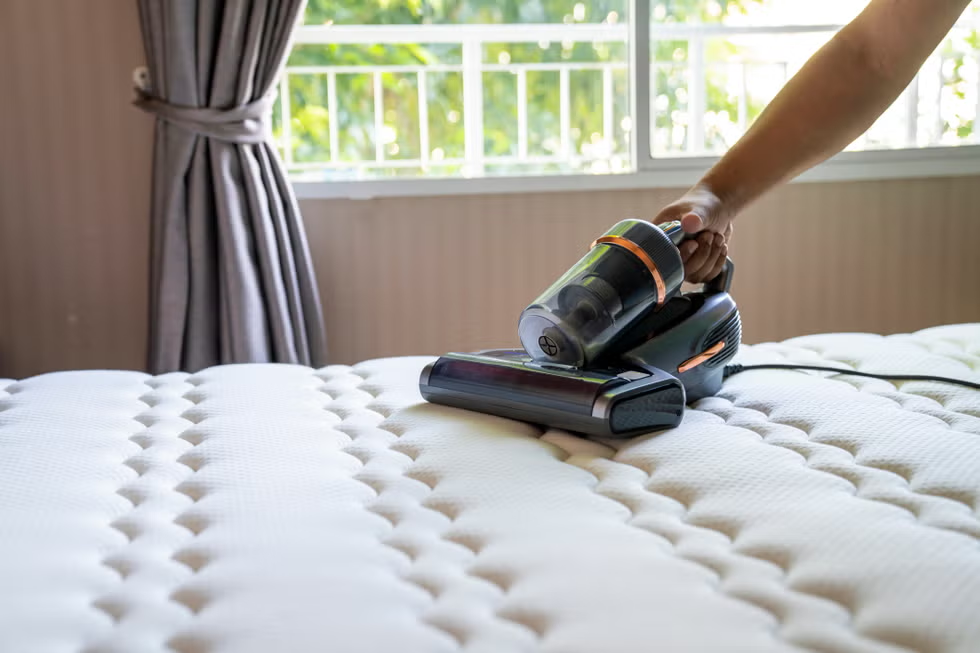
- Prep the topper: Remove all bedding, then vacuum both sides thoroughly with an upholstery attachment to lift dust, hair, and dead skin cells. If your topper has a removable cover, wash it separately per its care label.
- Fill your tub with cool (max 60°F/15°C) water, add 1–2 tbsp wool detergent, and stir to dissolve completely. Never use warm or hot water, even for heavily soiled toppers.
- Submerge the topper fully, then press the water through the fibers gently with your hands. Do not agitate, twist, or scrub—this is the #1 cause of felting and shrinkage. Let it soak for 15–30 minutes if heavily soiled, no longer.
- Drain the tub, then refill with cool, clean water. Press the water out of the topper gently, then repeat rinsing until no suds remain (usually 2–3 rinses). Never wring the topper.
- Lay the topper flat on a clean, dry towel, then roll the towel and topper together tightly to squeeze out excess water. Press gently on the rolled towel, do not twist. Repeat with a second dry towel if the first is fully saturated.
- Reshape the topper to its original size and thickness, then lay flat on your drying surface in a shaded, well-ventilated area. Flip the topper every 4–6 hours to ensure even drying. Drying time is typically 24–48 hours, depending on humidity—confirm it is 100% dry to the touch before putting it back on your bed to avoid mildew growth.
- Let the topper rest for 2–3 hours after drying before fitting it to your mattress, as outlined in our guide to bamboo topper pre-use care to let the fibers fully settle.
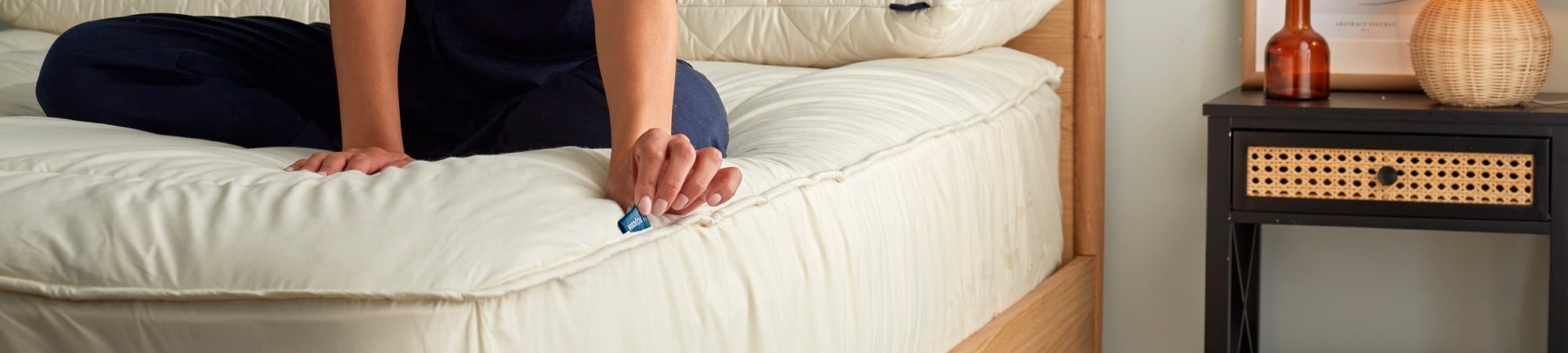 Source: thewoolroom
Spot Cleaning & Stain Removal For Specific Messes
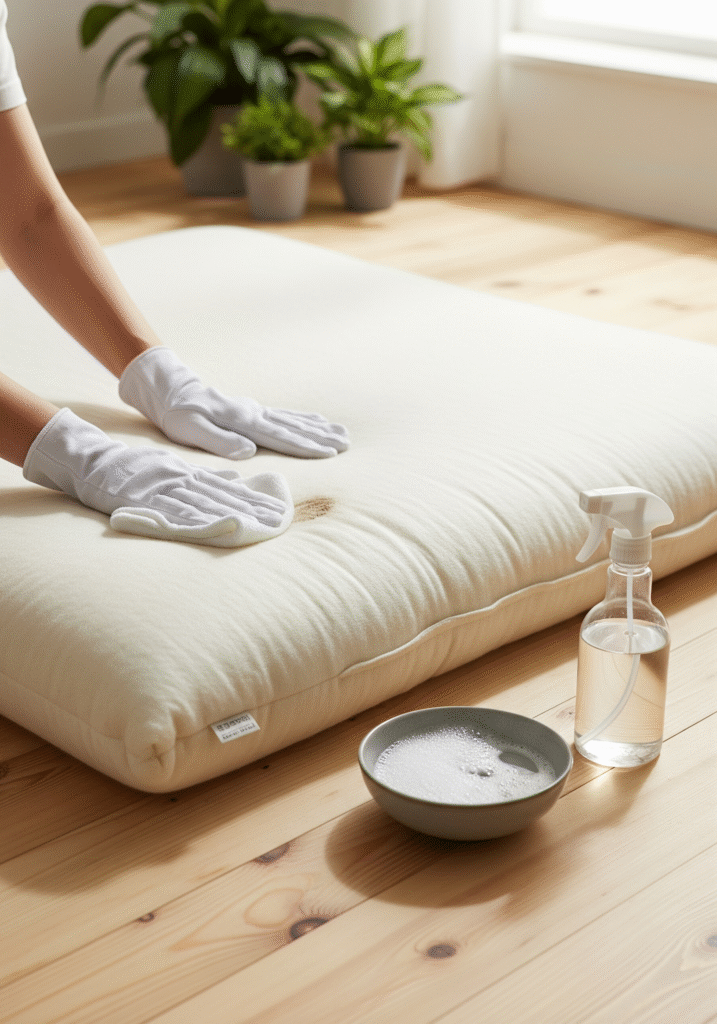
Treating stains immediately is key to preventing them from setting into wool fibers. Always blot (don’t rub) spills, working from the outside of the stain inward to avoid spreading. For specific messes:
- Fresh liquid spills (water, juice): Blot with a clean dry cloth, then dab with a cloth dipped in cool water and a drop of wool detergent. Rinse with a damp cloth, blot dry, and air dry flat.
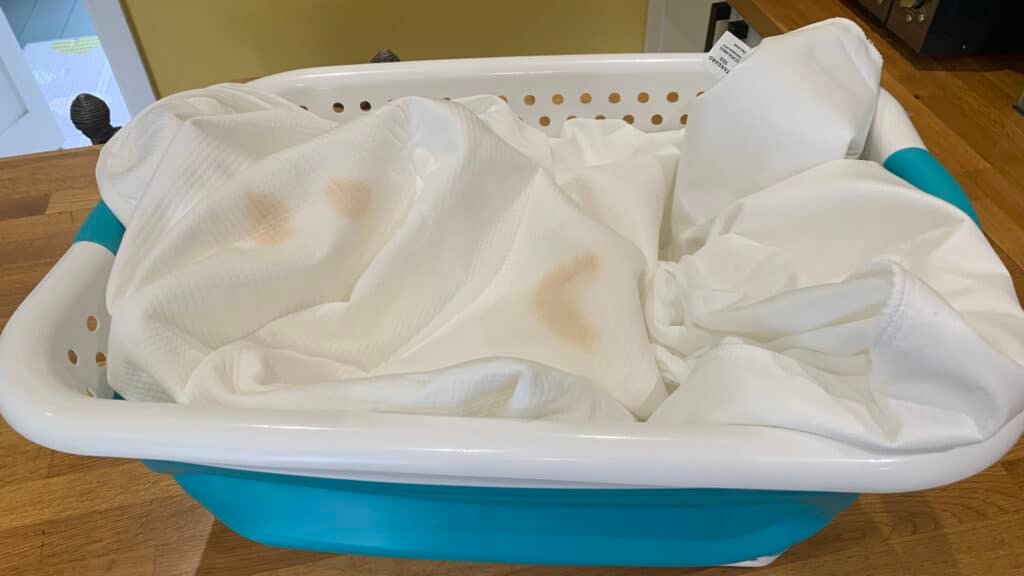
- Sweat or body oil: Mix 1 part wool detergent with 2 parts cool water, dab gently onto the stain, let sit 5 minutes, then rinse with a damp cloth. For set-in sweat stains, make a paste of wool detergent and cool water, apply to the stain, let sit 10 minutes, then rinse.
- Food or red wine: Blot up excess first, then apply the wool detergent paste, let sit 10 minutes, and rinse. For red wine, you can also dab with a 1:1 mix of white vinegar and cool water to break down tannins, then rinse thoroughly.
- Urine or pet accidents: Blot as much liquid as possible immediately, then mix 1 tbsp wool-safe detergent with 1 cup cool water and 1 tsp white vinegar (to neutralize odor). Dab gently, let sit 5 minutes, then rinse with a damp cloth. For persistent odors, use a wool-safe enzymatic cleaner (check the label to confirm it’s safe for wool) after testing in an inconspicuous spot.
If a stain is older than 48 hours, or you’ve tried spot cleaning 2–3 times with no improvement, skip aggressive scrubbing and opt for a full clean or professional cleaning to avoid damaging fibers.
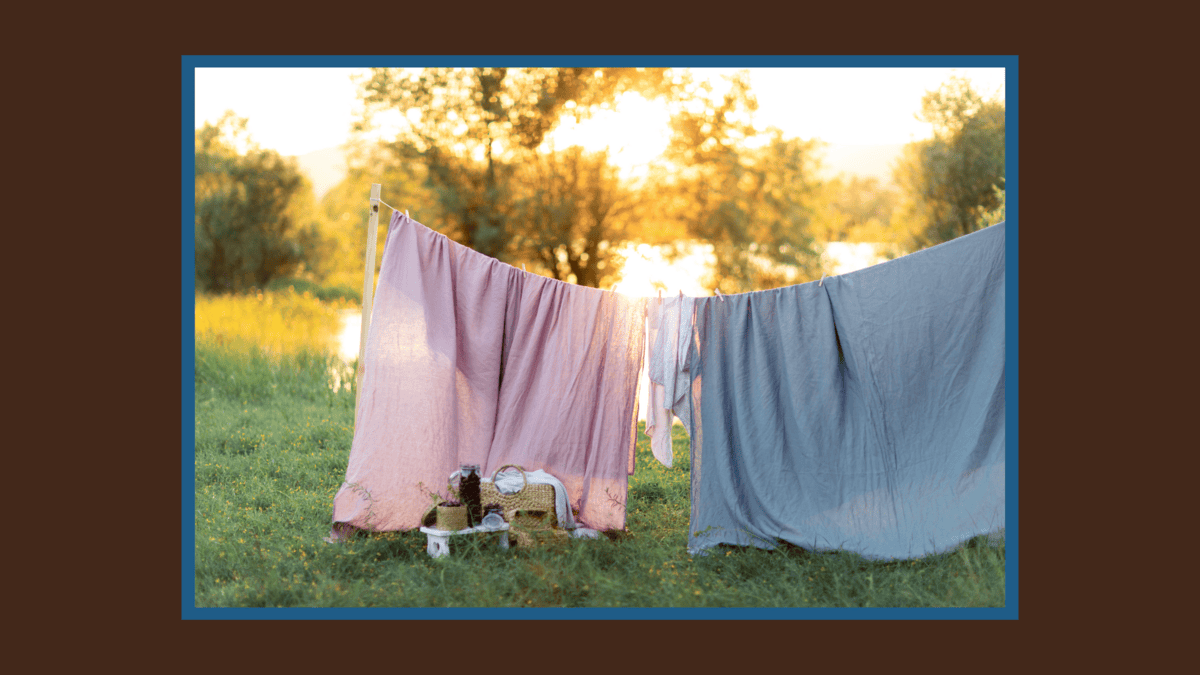 Source: cuddleewe
Drying & Long-Term Storage Best Practices
Drying is just as important as washing to preserve your topper’s shape and loft. Never use a clothes dryer, radiator, space heater, or hair dryer—high heat can shrink wool by up to 10% and damage its natural fibers. Direct sunlight can also fade the topper and dry out lanolin, making fibers brittle and prone to tearing. In humid climates, place a fan near the topper to speed up drying and prevent mildew. Confirm the topper is 100% dry to the touch before storing or putting it back on your bed, as trapped moisture can cause mold growth.
For long-term storage, avoid plastic bags, which trap moisture. Instead, use a breathable cotton storage bag, and store the topper flat or loosely rolled in a cool, dry, dark area. For proper off-season storage tips to avoid damage, refer to our dedicated guide.
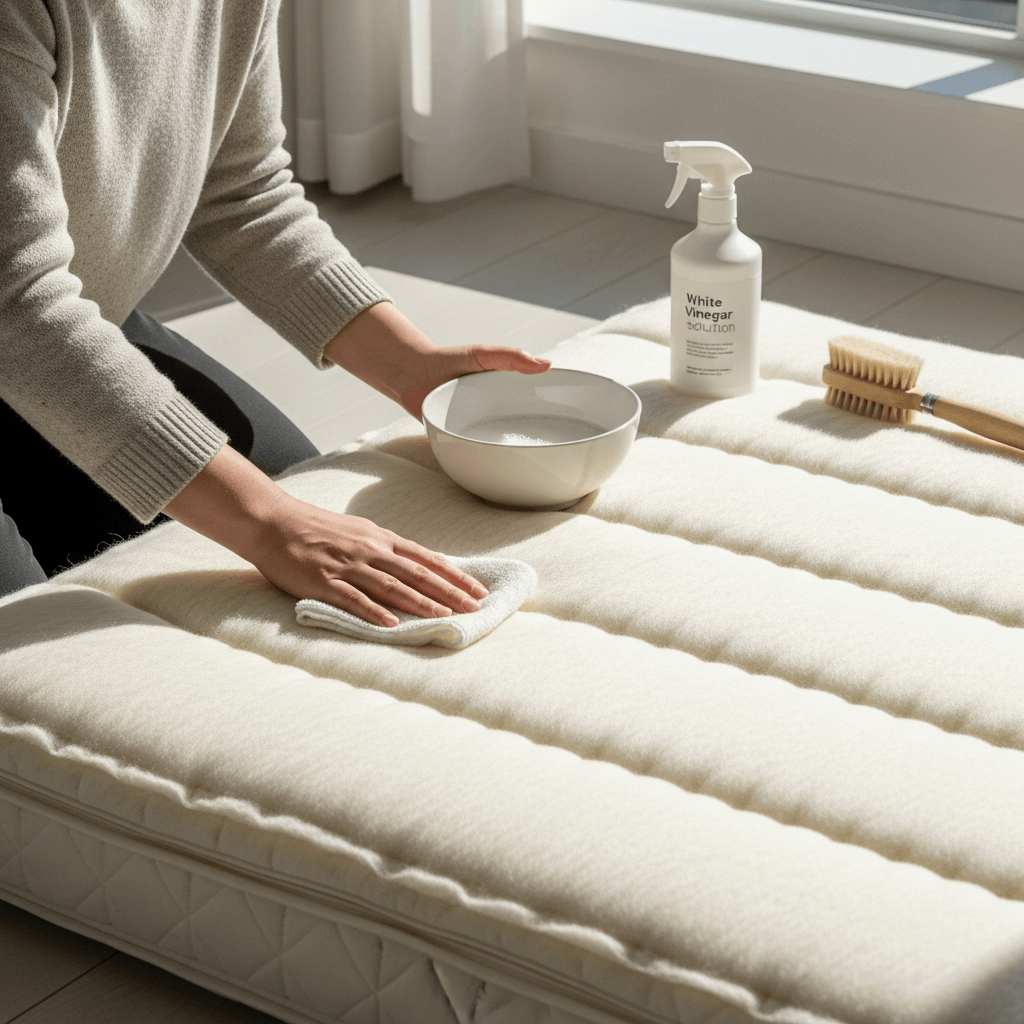 Always use a wool-specific cleaner to avoid damaging the fibers' natural lanolin
Maintenance Tips To Reduce Deep Cleaning Frequency
The easiest way to clean a wool topper is to avoid needing a full deep clean in the first place. Follow these simple habits to keep it fresh between washes:
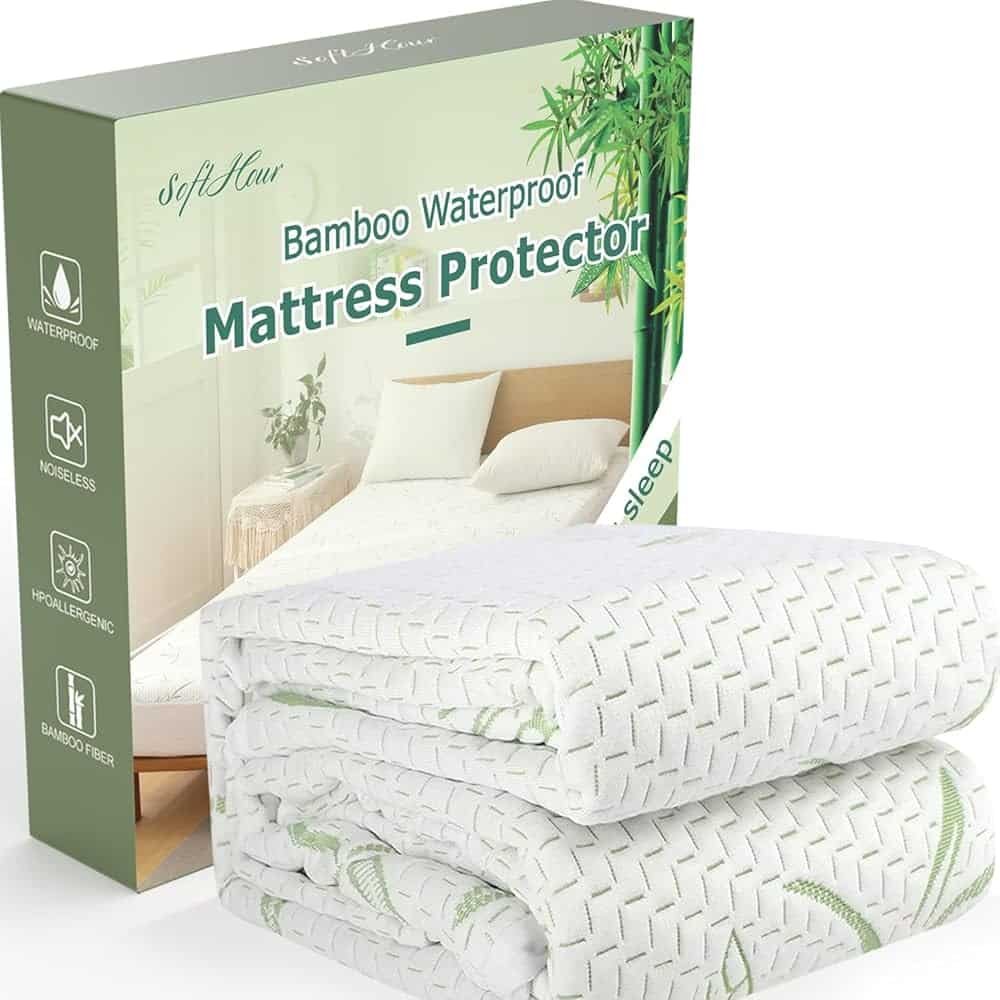
- Pair your wool topper with a washable, waterproof mattress protector to block spills, sweat, and body oils from seeping into the wool. Stick to a regular mattress protector care routine to keep the protector effective and reduce how often you need to deep clean the topper itself.
- Air the topper outdoors on a cool, dry, overcast day once a month for 2–3 hours to refresh it and release trapped moisture and odors. Avoid direct sun, as it can damage fibers.
- Rotate the topper 180 degrees every 3 months to distribute wear evenly and prevent flat spots from forming in high-use areas.
- Vacuum the topper monthly with an upholstery attachment to lift dust and debris before it settles into the fibers.
- Avoid eating or drinking in bed to prevent spills; if a spill does happen, blot it immediately before it sets into the wool.
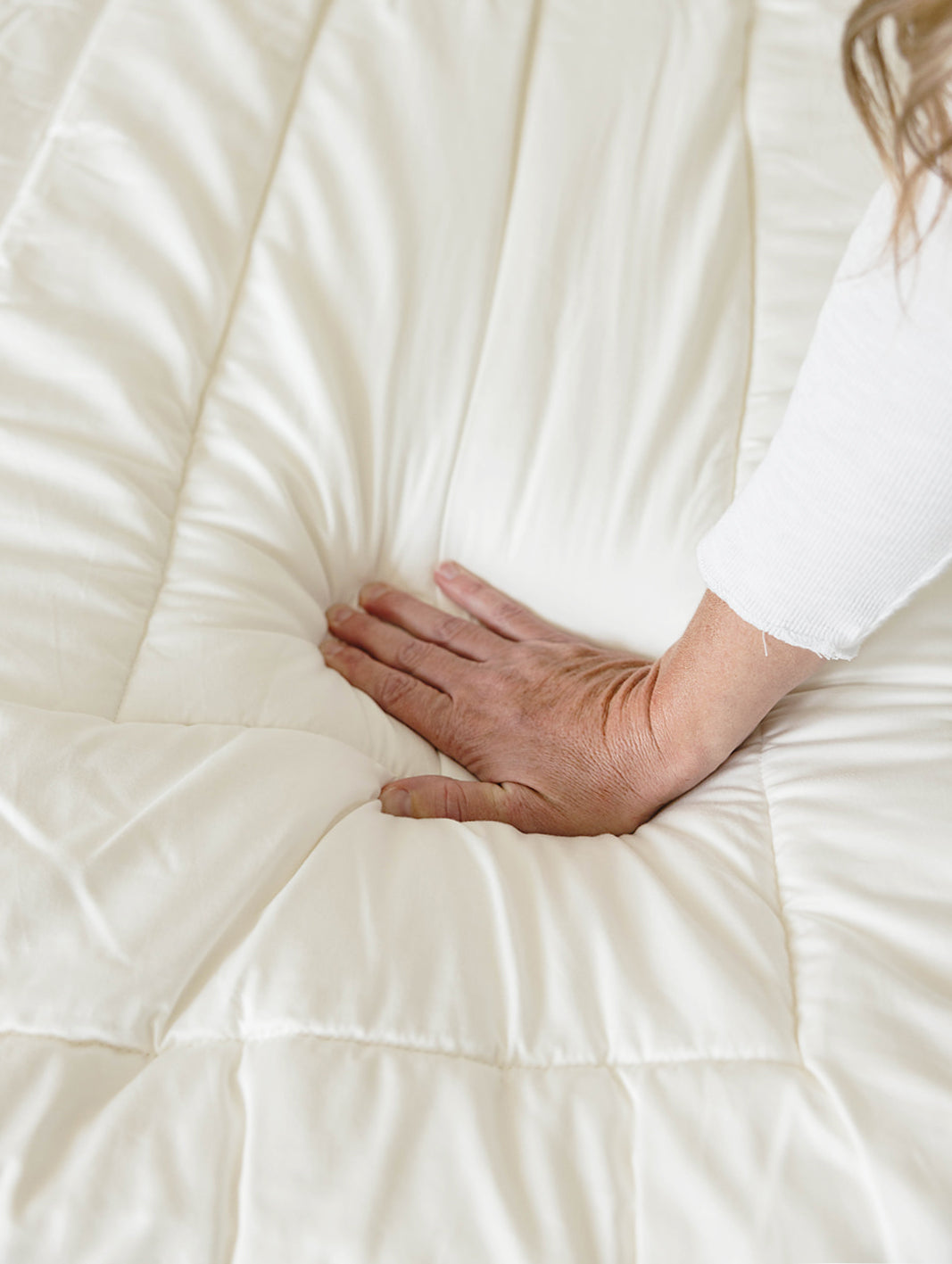 Storing a wool topper in a breathable bag prevents moisture buildup and mildew
Source: woolino
Storing a wool topper in a breathable bag prevents moisture buildup and mildew
Source: woolino
Common Mistakes That Ruin Wool Toppers
Even small missteps can cause permanent damage to wool fibers. Avoid these common errors:
- Using regular laundry detergent or harsh cleaners: Standard detergents contain enzymes and surfactants that strip wool’s natural lanolin, reducing its stain resistance and temperature-regulating properties. A common mistake I see in practice is people using “delicate” detergent formulated for synthetic fibers, which causes wool to felt and shrink over time. Always use a detergent labeled specifically for wool.
- Machine washing or spinning: Even if your care label says “machine washable,” most standard washing machines have agitators that rub against fibers, causing felting and misshaping. In practice, even “gentle” cycles can damage large, heavy wool toppers because the weight of the water and topper pulls on the fibers. Hand washing is almost always the safer option for thick toppers.
- Wringing or twisting to remove water: This distorts the topper’s shape, stretches fibers, and can cause permanent lumpiness. Always press water out gently, or roll the topper in towels to absorb excess moisture.
- Drying with heat or direct sun: High heat causes wool to shrink, and direct sun fades fibers and dries out lanolin, making the topper brittle and prone to tearing.
- Ignoring the care label: Manufacturer instructions take priority over general advice. Some wool toppers are treated with water-resistant coatings that can be damaged by even mild detergents, so always check the tag first. If the topper has persistent odor, flat spots that won’t fluff, or visible fiber breakdown after cleaning, it may be time to replace it; check our guide to signs it’s time to replace your topper for clear criteria.
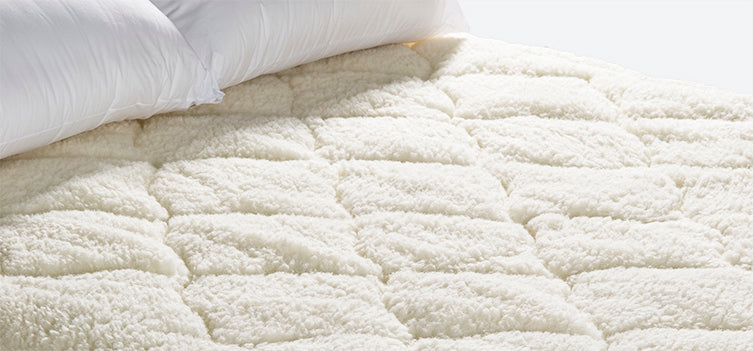 Avoiding harsh chemicals and heat is key to preserving wool's natural properties
Source: com
Avoiding harsh chemicals and heat is key to preserving wool's natural properties
Source: com
When To Call A Professional Cleaner
If your topper is extra-large (twin XL or bigger) and too heavy to lift in and out of a tub, or has set-in stains that won’t lift with spot cleaning, a professional cleaner is a worthwhile investment. Look for a cleaner that specializes in wool or delicate fabrics, and ask if they have experience with mattress toppers specifically. Professional cleaning costs $50–$150 depending on size, but it’s a good option for expensive toppers you want to keep for 5+ years. If your topper has a “dry clean only” tag, skip home washing entirely and take it to a pro.
Frequently Asked Questions
How often should I deep clean my wool mattress topper?
Light maintenance like vacuuming and airing should be done monthly. Full deep cleaning is only needed once every 12–18 months, or when the topper is visibly soiled or has a persistent odor. Over-washing breaks down wool fibers and lanolin, so stick to the minimum frequency needed.
Can I machine wash my wool mattress topper?
Most thick wool mattress toppers are not safe for machine washing, even on gentle cycles. Some smaller, thin wool toppers may have a care label that permits machine washing on a cold, delicate cycle with no spin—check our guide to if your topper is machine washable to confirm before running a cycle. Always follow the manufacturer's instructions first. If you do machine wash, use a wool-specific detergent, cold water, and skip the spin cycle entirely.
Will wool shrink if I clean it incorrectly?
Yes. Exposure to water over 60°F (15°C), agitation, and high heat during drying can cause wool to shrink and felt, a process where fibers mat together and become stiff and permanently shrunken. This damage is usually irreversible, so always stick to cool water and gentle handling.
Is dry cleaning safe for wool mattress toppers?
Dry cleaning is safe for most wool toppers, especially those labeled “dry clean only” or those with heavy, set-in stains. Professional dry cleaners use solvents that don’t damage wool fibers, and they have the equipment to clean large, heavy toppers without misshaping them. Ask the cleaner to avoid harsh chemicals that strip lanolin if you want to preserve the topper’s natural properties.
How do I remove urine or pet accidents from a wool topper?
Blot as much liquid as possible immediately with a clean, dry cloth—don’t rub, as this will push urine deeper into the fibers. Mix 1 tbsp wool-safe detergent with 1 cup cool water and 1 tsp white vinegar to neutralize odor, dab gently onto the stain, let sit 5 minutes, then rinse with a damp cloth. For persistent odors, use a wool-safe enzymatic cleaner after testing in an inconspicuous spot first.
My wool topper feels flat after cleaning—how do I fluff it?
Once the topper is 100% dry, fluff it by hand, squeezing and separating the fibers to restore loft. You can also place it in a well-ventilated area with a low fan blowing on it for a few hours to help the fibers expand. If it still feels flat after 24 hours, you can revive a flat topper using gentle fluffing techniques that work for most wool and feather toppers.
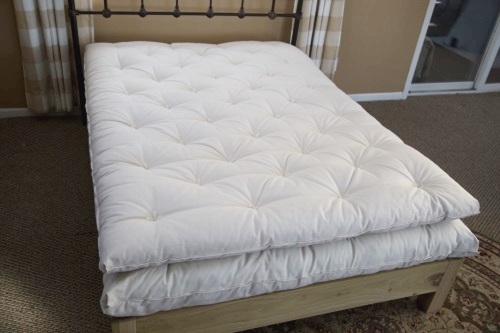 Most wool topper care questions come down to using gentle, cool methods and avoiding heat
Source: surroundewe
Most wool topper care questions come down to using gentle, cool methods and avoiding heat
Source: surroundewe
Conclusion
Caring for your wool mattress topper doesn’t have to be complicated: stick to cool water, wool-specific detergent, gentle handling, and flat, shaded drying to protect its natural loft, temperature-regulating properties, and 5+ year lifespan. Small, consistent habits like using a protector, airing it monthly, and spot-treating spills immediately will cut down on deep cleaning and keep your topper comfortable for years. If you’re dealing with a tough stain or unsure about cleaning your specific topper, reach out to a professional wool cleaner for guidance. For more tips on extending the life of your bedding, check out our guide to when to swap out old bedding to avoid sleeping on worn-out, unsupportive layers. Have a tip for keeping wool bedding fresh? Drop it in the comments below to help fellow sleepers protect their investment.

Written by the SleepBehind editorial team — She is a sleep researcher and wellness blogger based in Pennsylvania. Passionate about helping people optimize their sleep.