
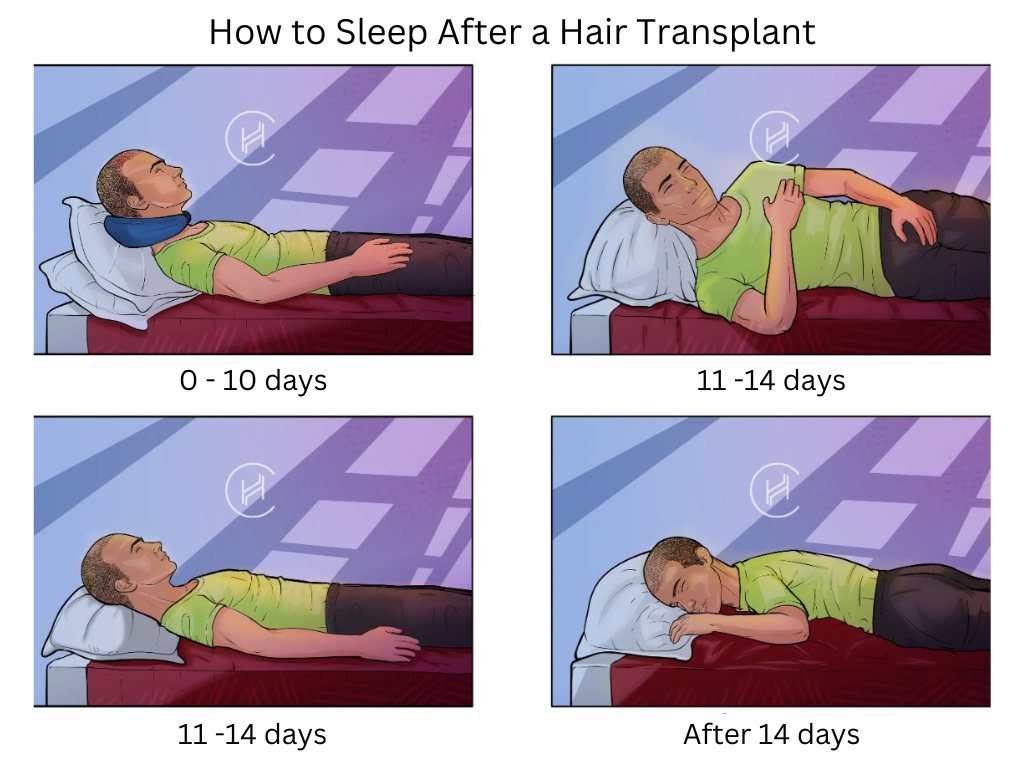
How To Sleep After Hair Transplant: 7 Safe Sleeping Tips
The first 1-2 weeks after a hair transplant are critical for graft survival, and your sleep habits are one of the most underrated factors in a smooth…
The first 1-2 weeks after a hair transplant are critical for graft survival, and your sleep habits are one of the most underrated factors in a smooth…
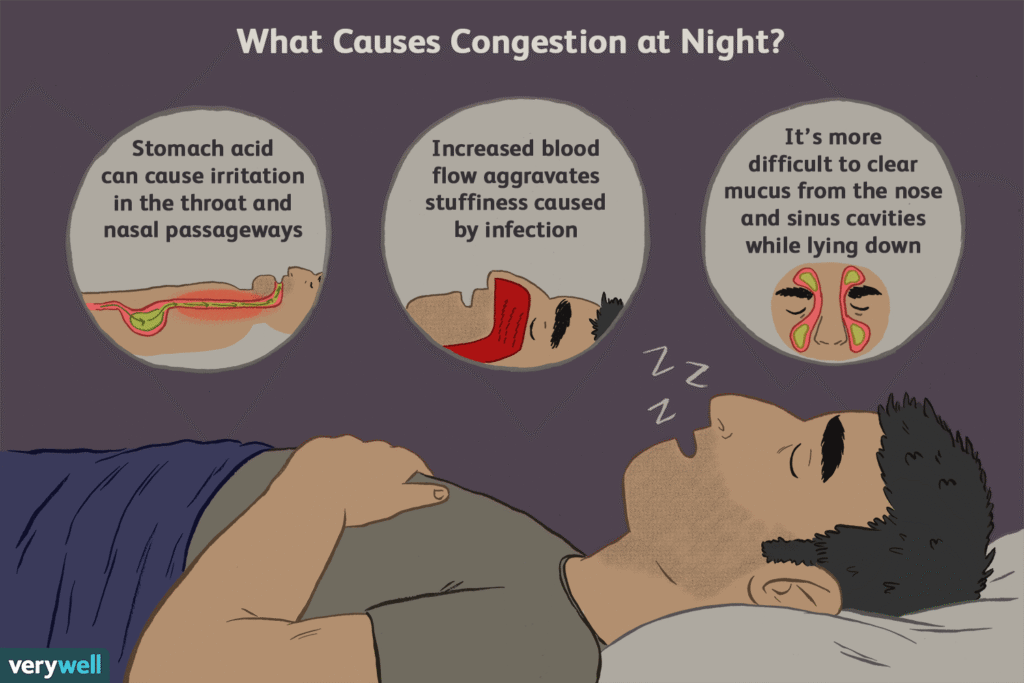
Sinus pressure affects roughly 1 in 7 U.S. adults annually, per CDC data, and is a leading cause of disrupted deep sleep, next-day fatigue, and reduced…
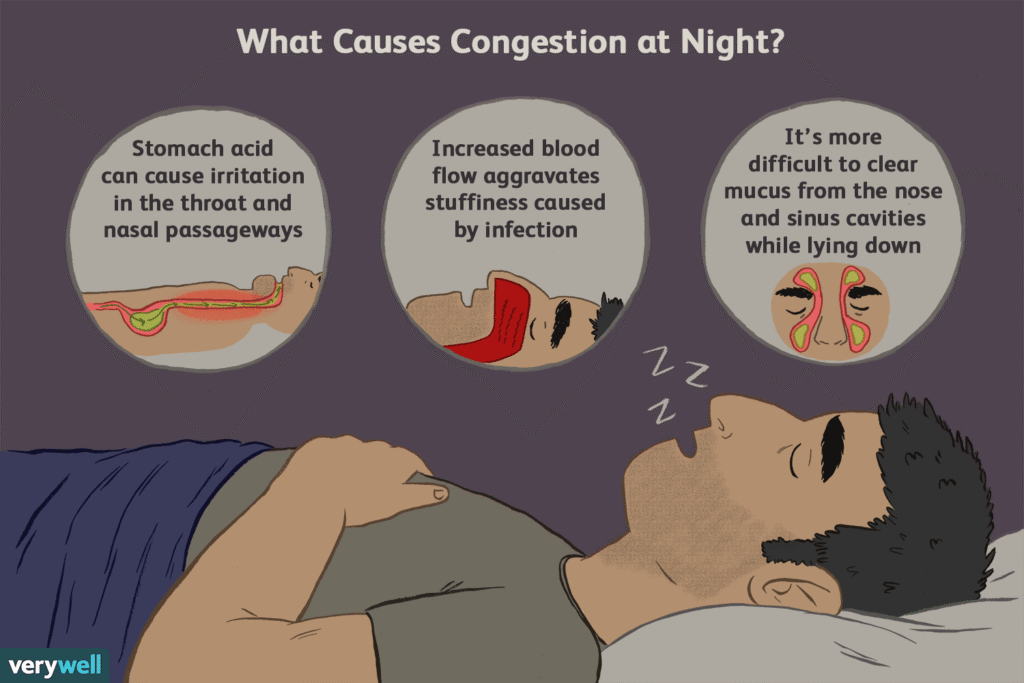
Acute sinus infections, most often triggered by cold or flu viruses, affect millions of people annually, and the resulting nasal congestion, facial…
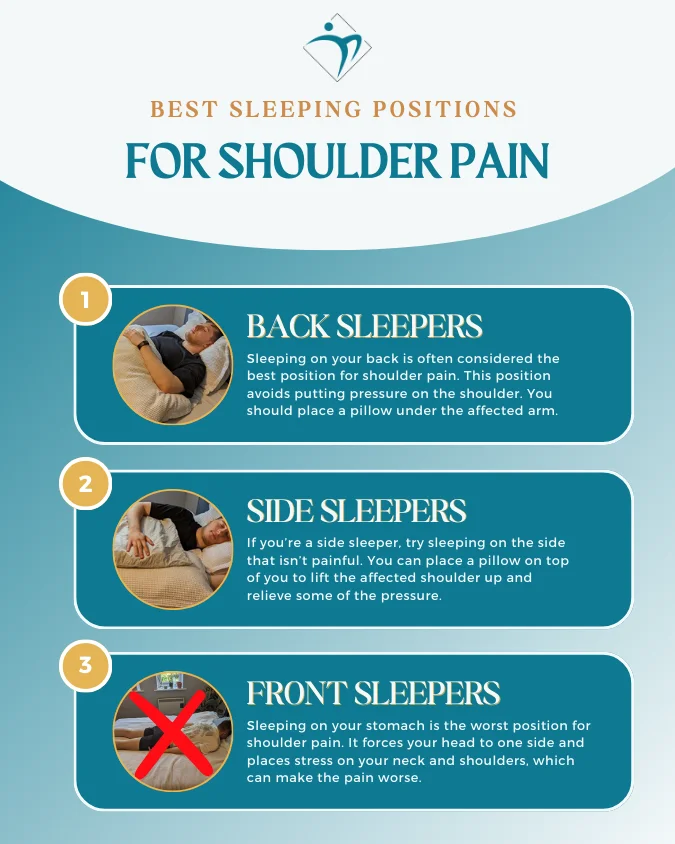
Side sleeping is the most preferred sleep position for many adults, but it can aggravate existing shoulder pain from rotator cuff issues, bursitis…
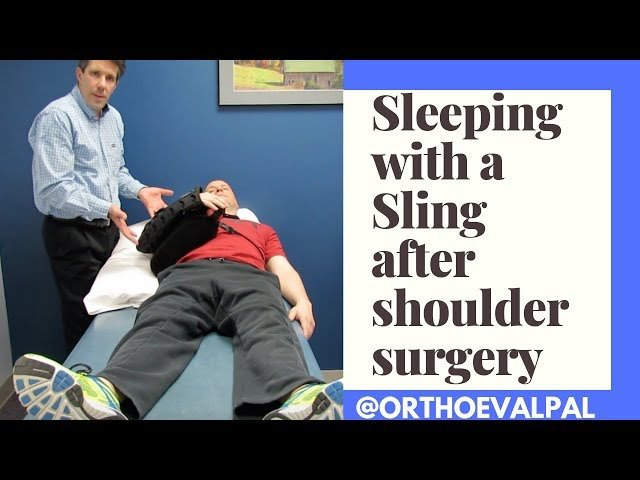
Waking up with sore shoulders and disrupted sleep is one of the most common, frustrating parts of recovery from rotator cuff repair, frozen shoulder…
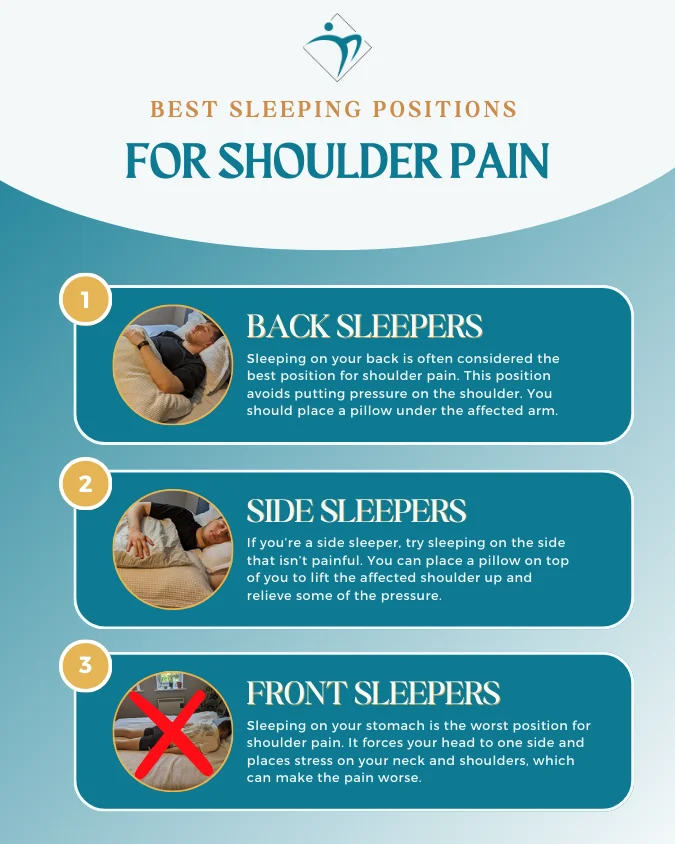
Shoulder tendonitis, the most common cause of shoulder pain, is triggered by repetitive overhead motion, heavy lifting, or even years of poor sleeping…
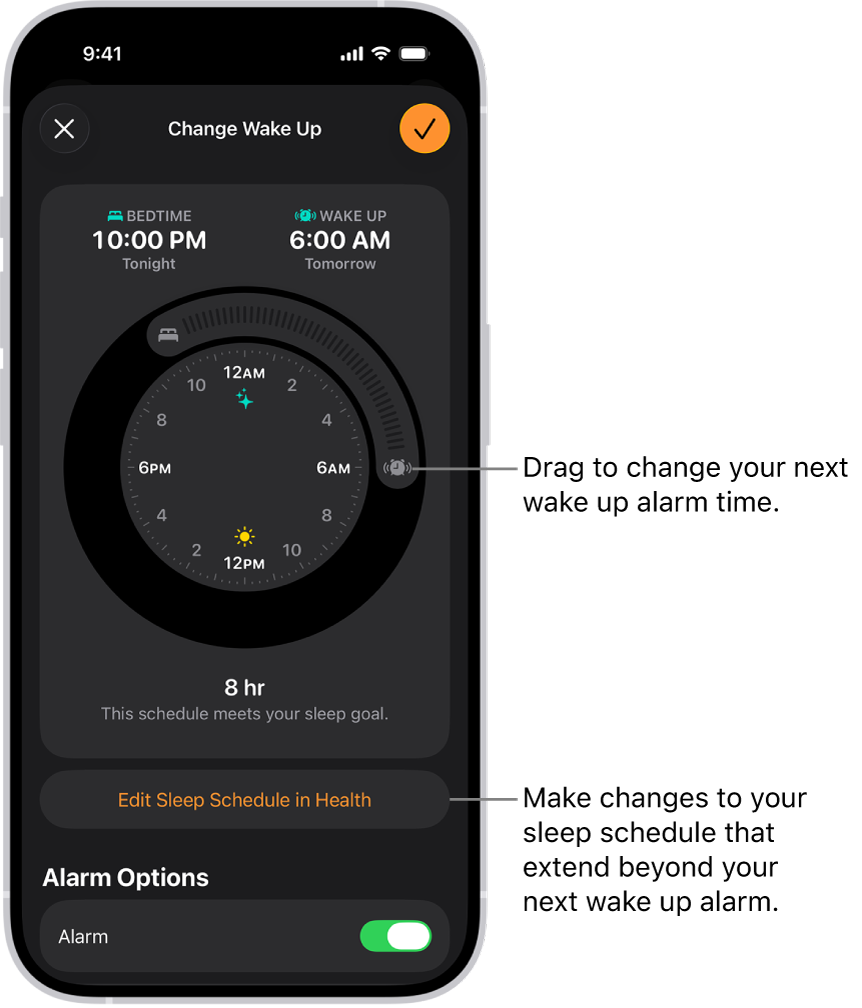
Waking up groggy, hitting snooze five times, and dragging through your morning is a universal frustration—especially if you’ve tried to shift your wake…

Waking up at 2 a.m. with a throbbing toothache that feels worse the second you lay flat is a uniquely miserable experience. Lying down increases blood…
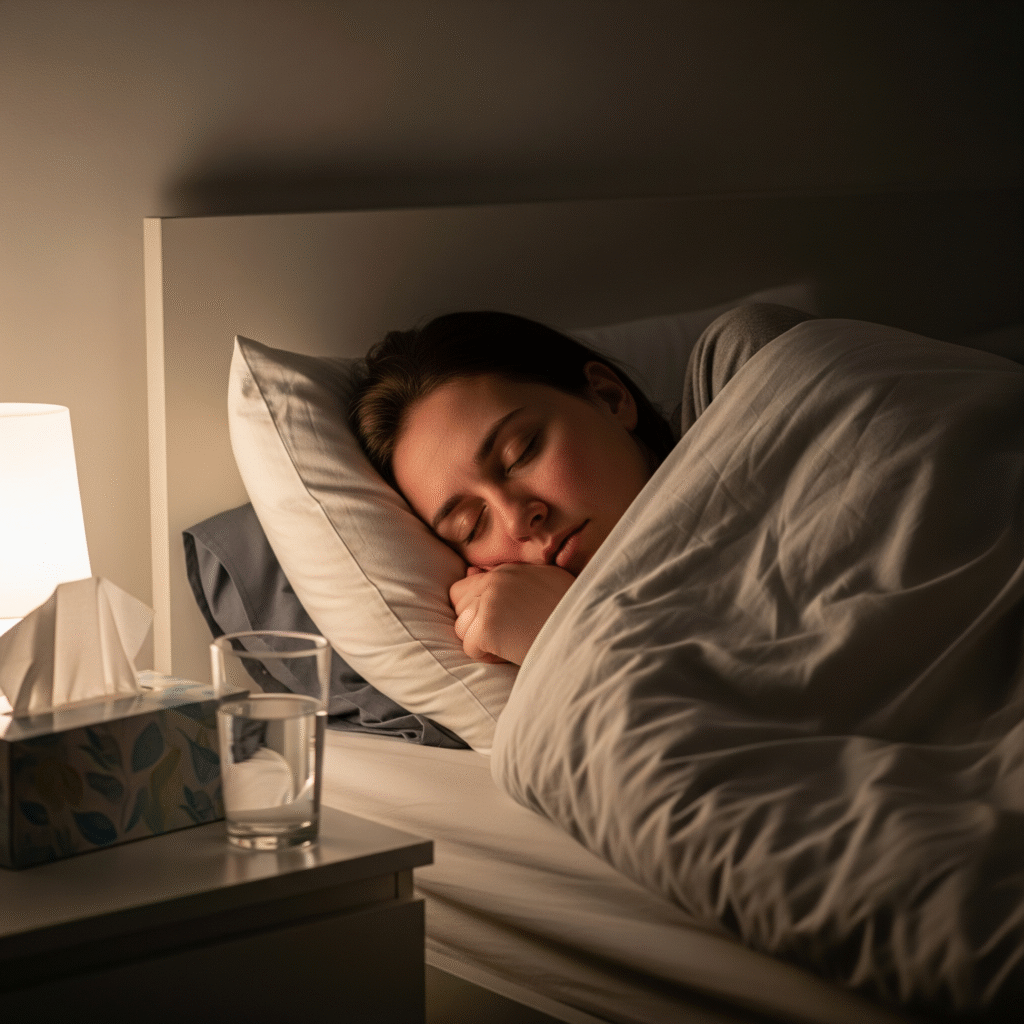
Waking up every 30 minutes with a stuffy nose, pounding headache, and fever sweat is one of the worst parts of having the flu. While rest is the single…
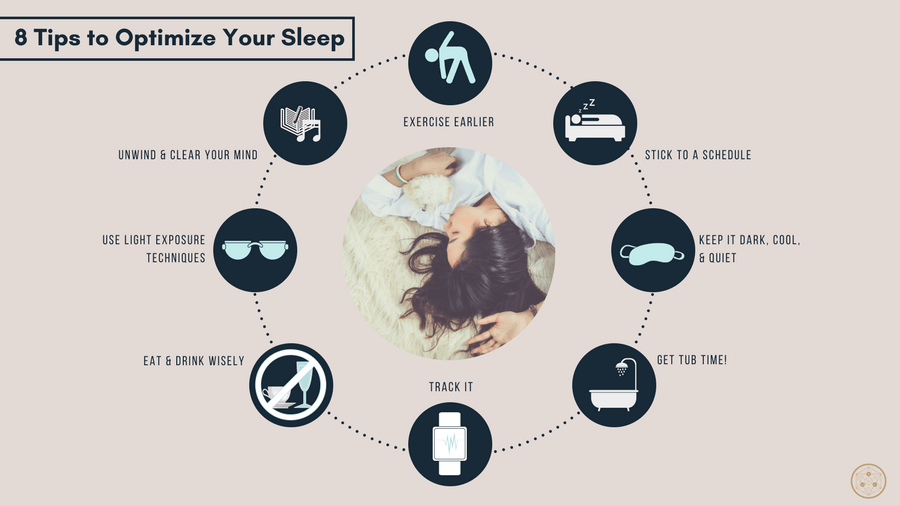
According to the CDC sleep guidelines, 1 in 3 U.S. adults regularly get less than the recommended 7 hours of sleep per night, a shortfall linked…