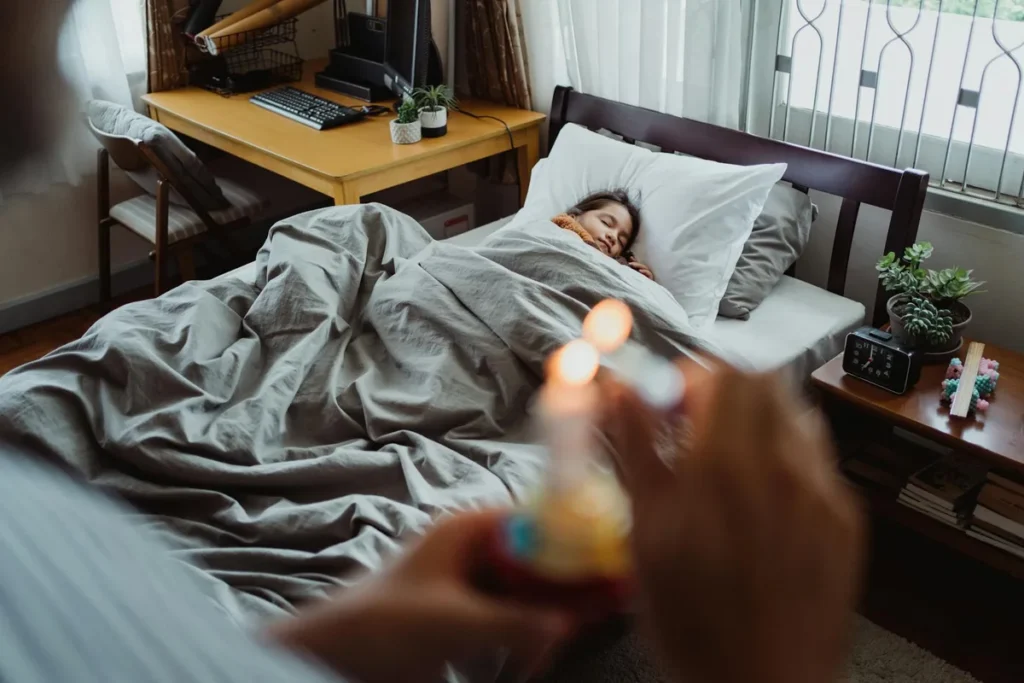
Back to sleep: AAP guidelines explained isn’t just another parenting trend, it’s a science-backed safety protocol that’s cut SIDS deaths by more than half since 1992. If you’re a new parent, caregiver, or even a grandparent updating old habits, these rules aren’t suggestions; they’re non-negotiable safeguards for every nap and nighttime sleep. The American Academy of Pediatrics (AAP) updates its recommendations regularly, with the latest guidance as of 2026 reinforcing what works and clarifying common misunderstandings.
In our research, we found that confusion around safe sleep practices remains high, especially when well-meaning family members insist on outdated methods. Per AAP data, over 3,400 sleep-related infant deaths occur annually in the U.S., many preventable with strict adherence to current standards. Let’s walk through exactly what “back to sleep” means today, and why every detail matters.

Image source: Pexels / Alicia (Pexels License)
Why the AAP’s “Back to Sleep” Guidelines Save Lives
The AAP’s safe sleep campaign, now called “Safe to Sleep,” has one clear goal: reduce sleep-related infant deaths, including SIDS, suffocation, and unknown causes. Back sleeping is the cornerstone because it keeps airways open and reduces rebreathing of exhaled carbon dioxide. Since the campaign launched, SIDS rates have dropped from 130 to about 35 per 100,000 live births. That’s not coincidence, it’s cause and effect.
The guidelines aren’t arbitrary; they’re built on decades of epidemiological studies, autopsy reports, and controlled trials. Ignoring them isn’t just risky, it’s statistically linked to preventable tragedy.
The Core Rules: What “Back to Sleep” Actually Means
“Back to sleep” sounds simple, but it’s often misunderstood. It doesn’t mean “mostly on the back” or “on the back unless they roll.” It means every sleep, every time, naps, nighttime, at daycare, at grandma’s house. The AAP is unequivocal: infants should be placed on their backs for all sleep until their first birthday. Side sleeping is unstable and increases risk, and tummy sleeping raises SIDS risk by 2 to 13 times depending on other factors.
Supine Positioning—Every Time
Supine means lying flat on the back, face up. This position keeps the head, neck, and spine in alignment and allows maximum airflow. Even if your baby seems uncomfortable or spits up more, back sleeping remains safest. Reflux doesn’t increase SIDS risk when baby is on their back, and studies show no higher incidence of aspiration in this position.
Room-Sharing Without Bed-Sharing
For at least the first six months, ideally the first year, babies should sleep in the same room as parents, but on a separate surface. Room-sharing cuts SIDS risk by up to 50%. Bed-sharing, even on a firm mattress with no blankets, increases suffocation and overheating risks, especially if parents are tired, ill, or using medications that affect arousal.
Bare Crib, Firm Mattress, No Extras
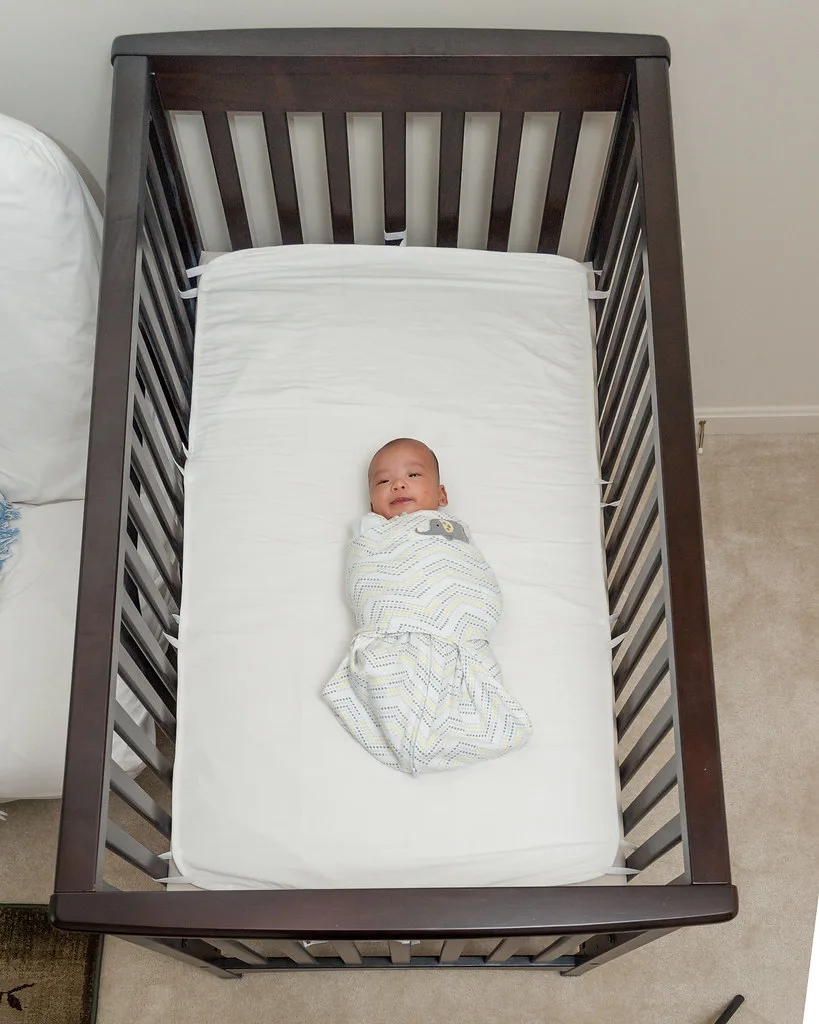
The sleep surface must be firm, flat, and free of soft objects. That means no pillows, bumper pads, stuffed animals, loose blankets, or sleep positioners. Use only a fitted sheet designed for the crib mattress. Soft surfaces increase the risk of rebreathing trapped air, and loose items can obstruct the airway.
If you’re swaddling, stop once baby shows signs of rolling (usually around 2, 4 months).

Image source: Pexels / William Fortunato (Pexels License)
Why These Rules Work: The Science Behind the Guidelines
The “why” matters as much as the “what.” Back sleeping reduces SIDS risk by maintaining an open airway and preventing overheating. When babies sleep on their stomachs, they’re more likely to rebreathe carbon dioxide trapped in soft bedding, which can lead to hypoxia. Overheating, often from too many layers or high room temps, also increases SIDS risk by twofold. The AAP recommends room temperatures between 68, 70°F (20, 21°C) and lightweight, breathable sleepwear.
Loose bedding is another silent hazard. Blankets can cover a baby’s face, and pillows or soft mattresses conform to the shape of the head, creating pockets where exhaled air gets trapped. Even bumper pads, once thought to prevent limb entrapment, are now known to pose suffocation and strangulation risks. The safest crib is an empty crib, just baby, a fitted sheet, and appropriate clothing.
Real-World Challenges—And How to Handle Them
Parents often worry that back sleeping causes flat heads (positional plagiocephaly), but this is easily prevented with supervised tummy time during wakefulness. The AAP recommends 15, 30 minutes of tummy time spread throughout the day once baby can hold their head up. Flat spots are cosmetic and typically resolve with repositioning and movement, never at the cost of safe sleep.
What if your baby rolls onto their stomach on their own? Once babies can roll both ways (back to tummy and tummy to back), usually after 4, 6 months, you don’t need to reposition them. But always place them down on their back to start. If your baby has a medical condition like severe reflux, talk to your pediatrician, never use homemade wedges or positioners, which are not FDA-approved and can be deadly.
Swaddling can help newborns sleep, but only if done correctly: arms snug, hips loose, and baby on their back. Stop swaddling as soon as baby shows rolling signs. Sleep sacks (wearable blankets) are a safer alternative to loose blankets and come in various TOG ratings for warmth without overheating.
Safe Sleep Setup: Step-by-Step
Setting up a safe sleep environment takes minutes but protects for a lifetime. Start with a crib that meets current CPSC standards: no drop sides, slats no more than 2 3/8 inches apart, and a firm, flat mattress that fits snugly with no gaps. Avoid secondhand cribs unless you can verify they haven’t been recalled.
Dress your baby in light layers, usually one more layer than an adult would wear in the same conditions. A onesie plus a sleep sack is often enough. Avoid hats, heavy blankets, or over-bundling, especially in heated rooms. Use a pacifier at nap and bedtime; studies show it reduces SIDS risk, even if it falls out after baby falls asleep.
If breastfeeding, wait until nursing is well-established (usually 3, 4 weeks) before introducing a pacifier.
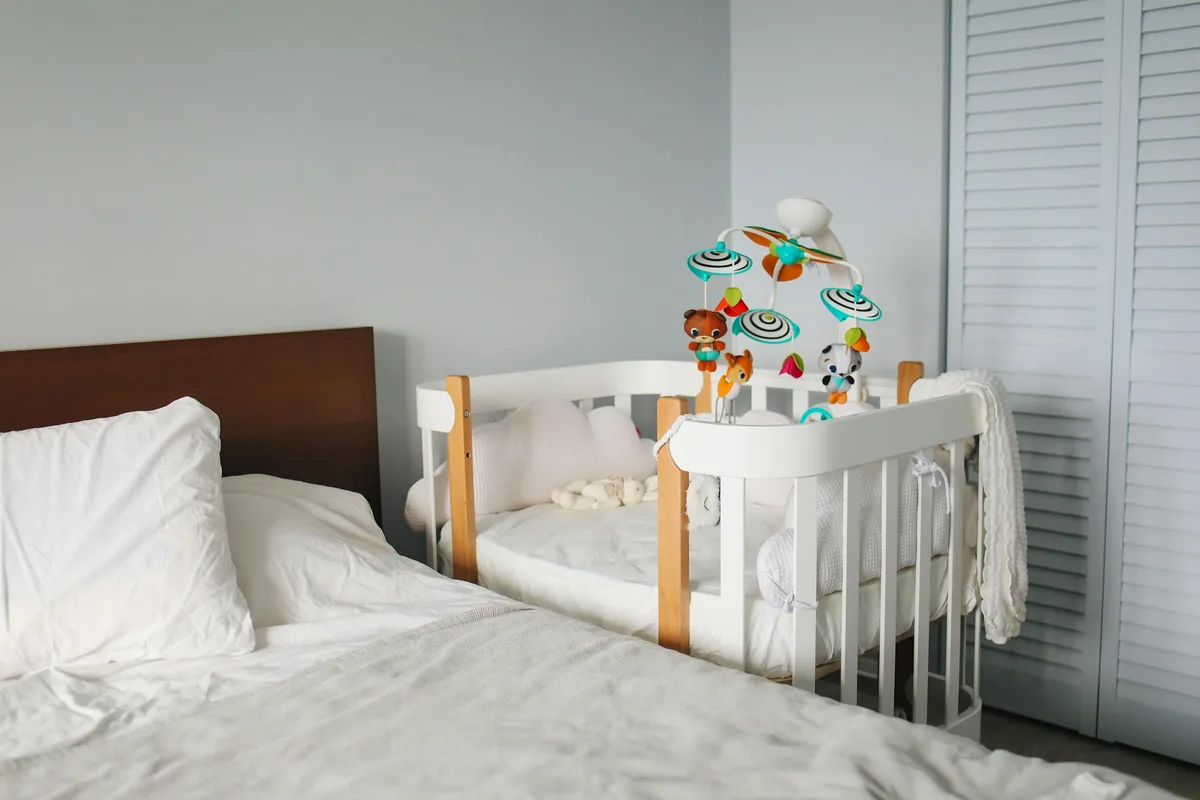
Image source: Pexels / Polina Tankilevitch (Pexels License)
Common Mistakes That Put Babies at Risk
Many parents unknowingly use products or practices that seem safe but violate AAP guidelines. Inclined sleepers, like the now-recalled Rock ‘n Play, position babies at an angle greater than 10 degrees, which can cause their head to flop forward and restrict breathing. The FDA has issued warnings against all infant sleep products that don’t meet the definition of a flat, firm surface, even if they’re marketed as “anti-reflux” or “soothing.”
Side sleeping is another common error. It’s unstable; babies placed on their sides almost always roll onto their stomachs within minutes. And while bumper pads might look cozy, they’ve been linked to suffocation and strangulation. The CPSC reports multiple fatalities involving padded crib bumpers, leading to stricter enforcement of bare-crib standards.

Image source: Pexels / Maleen Fotograpia (Pexels License)
When to Bend the Rules (and When You Absolutely Shouldn’t)
The AAP allows very few exceptions, and only under direct medical supervision. For example, babies with rare conditions like severe tracheomalacia may need alternative positioning, but this requires a doctor’s written plan and continuous monitoring. Never follow advice from non-medical sources, including well-meaning relatives or online forums, that contradicts AAP guidelines.
Cultural practices, such as bed-sharing in some communities, often clash with safe sleep recommendations. While room-sharing is encouraged, bed-sharing increases risk, especially on couches, armchairs, or with siblings. If cultural norms differ, focus on education, not judgment, share the science, not shame.
How to Talk to Family About Safe Sleep
Grandparents and caregivers may resist updated guidelines, citing “we raised kids this way and they turned out fine.” Instead of arguing, share the data: SIDS wasn’t well understood in the 1980s, and mortality rates have plummeted since back sleeping became standard. Offer printed AAP materials or direct them to the Safe to Sleep campaign website.
Frame it as teamwork: “I know you want what’s best for baby, and so do I. Let’s follow the same rules everywhere so baby stays safe.” If someone insists on using a blanket or pillow, calmly restate the risks and suggest alternatives like a sleep sack or warmer room.
Final Checklist: Is Your Baby’s Sleep Setup AAP-Compliant?
Use this quick scan before every sleep:
- Baby is on their back, every time
- Crib has a firm, flat mattress with a tight-fitting sheet
- No pillows, blankets, toys, bumpers, or positioners
- Room is 68, 70°F (20, 21°C), baby dressed in light layers
- Pacifier offered (if age-appropriate and breastfeeding is established)
- Sleep surface is free of gaps, recalls, or modifications
If any item is missing or added, adjust immediately. Consistency is key, safe sleep isn’t about perfection in one setting, but adherence across all caregivers and locations.
Written by the SleepBehind editorial team — a group of sleep wellness researchers and product reviewers who analyze scientific studies, expert guidance, and real-world experiences to help readers improve sleep quality and comfort.