Back sleeping (also called the supine position) is one of the most common default sleep positions for adults, favored for its natural feel and ability to reduce joint pressure when properly supported. While it does offer benefits like neutral spinal alignment for some sleepers, it carries a range of underdiscussed health risks that can worsen existing conditions, disrupt sleep quality, and cause long-term discomfort for many people. This guide breaks down the evidence-based disadvantages of back sleeping, identifies who is most vulnerable to its side effects, and shares actionable, doctor-approved tips to reduce risks if you prefer this position. You’ll learn exactly how supine sleep impacts breathing, digestion, musculoskeletal health, and more, so you can make an informed choice about your sleep habits.
 Snoring is one of the most common side effects of supine sleep, especially for people with preexisting airway issues.
Source: wikimedia.org
Snoring is one of the most common side effects of supine sleep, especially for people with preexisting airway issues.
Source: wikimedia.org
Why Do So Many People Default To Back Sleeping?
Back sleeping feels intuitive for many people because it eliminates the need to twist the spine or tuck limbs under the body, as is common with side or stomach sleeping. When paired with a medium-firm mattress and a contoured pillow, it can keep the spine in a neutral, low-pressure alignment that reduces stiffness for people without preexisting pain conditions. It also tends to cause less facial friction and skin creasing than stomach sleeping, which is why it’s often recommended as a middle ground for people concerned about sleep wrinkles. That said, comfort does not equal optimal health for everyone: the same neutral alignment that works for some can exacerbate pain or breathing issues for others, depending on their unique anatomy and health status.
 Supine position allows throat tissues to fall backward, narrowing the airway and increasing apnea risk.
Source: wikimedia.org
Supine position allows throat tissues to fall backward, narrowing the airway and increasing apnea risk.
Source: wikimedia.org
Proven Health Risks of Back Sleeping (Supine Position)
The risks of supine sleep vary widely based on your anatomy, existing health conditions, and sleep support setup. Below are the most common, evidence-backed disadvantages, ordered by how frequently they impact sleepers:
Worsened Snoring and Obstructive Sleep Apnea (OSA)
When you lie on your back, gravity pulls your tongue, soft palate, and throat tissues downward and backward, narrowing your upper airway. This increased airflow resistance causes the tissues to vibrate, leading to louder, more frequent snoring, even in people who don’t normally snore. For people with mild to moderate obstructive sleep apnea, supine position can double the number of apnea events (brief pauses in breathing) per night, as the narrowed airway is more likely to collapse fully. Even if you don’t have a formal OSA diagnosis, this increased airway resistance can cause frequent micro-arousals (brief, unremembered wake-ups) that disrupt deep and REM sleep, leading to unrefreshing rest and daytime fatigue.
Increased Gastroesophageal Reflux Disease (GERD) and Heartburn
The lower esophageal sphincter (LES) is the muscular valve that keeps stomach acid from flowing back into your esophagus. Lying flat on your back removes the effect of gravity that helps keep acid in your stomach, and supine position can also increase abdominal pressure on the LES, making it easier for acid to reflux. People with chronic GERD often report more frequent, severe nighttime heartburn when sleeping supine, which can lead to long-term complications like chronic cough, sore throat, and enamel erosion from repeated acid exposure. Clinical guidance from the Sleep Foundation confirms that elevating the head of the bed by 4–6 inches reduces nighttime reflux episodes for most people with chronic GERD.
Neck and Lower Back Pain (For Unsupported Sleepers)
While back sleeping can support neutral spinal alignment with the right setup, it can easily become a source of pain if your support is inadequate. A mattress that lacks adequate lower back support can allow the lumbar spine to sag, creating pressure that leads to stiffness and chronic pain over time. A pillow that is too high or too low will force your neck into an unnatural angle, causing tension headaches, neck stiffness, and even nerve compression. People with preexisting spinal conditions like herniated discs, spinal stenosis, or degenerative disc disease may find supine position aggravates their symptoms, depending on the location of their injury.
Reduced Circulation and Nerve Compression
For people with certain health conditions, supine position can put excess pressure on blood vessels and nerves. In pregnant people in their second and third trimesters, lying on the back can compress the vena cava (the large vein that returns blood to the heart), reducing blood flow to the uterus and causing dizziness, low blood pressure, and reduced oxygen delivery to the fetus. The American College of Obstetricians and Gynecologists (ACOG) advises that after the first trimester, pregnant people avoid prolonged supine sleep to reduce these risks. People with peripheral neuropathy, thoracic outlet syndrome, or excess upper body weight may also experience numbness, tingling, or poor circulation in the arms and shoulders when sleeping on their back, especially if they rest their arms above their head. People with obesity are also at higher risk for airway collapse in supine position, worsening snoring and apnea.
Skin Puffiness and Accelerated Skin Aging
While back sleeping carries a far lower risk of sleep wrinkles than stomach sleeping (which presses the face into a pillow for hours nightly), it can still cause mild overnight facial puffiness from fluid pooling in the facial tissues, especially if you use a pillow that is too high. Over time, repeated fluid retention and gentle upward pressure from a pillow can contribute to the formation of fine lines around the forehead and under-eyes, though the risk is minimal compared to other sleep positions. Sleep position also impacts both your skin and sleep position and hair health overnight, so adjusting your position or support can improve both.
Disrupted Deep Sleep and Daytime Fatigue
Even if you don’t notice snoring or reflux, the increased airway resistance from supine position can cause frequent micro-arousals throughout the night, which disrupt deep (N3) and REM sleep. This leads to unrefreshing sleep, daytime sleepiness, reduced cognitive function, and irritability. For people who share a bed, a partner’s increased supine snoring can also disrupt their sleep, leading to relationship strain over time.
 Back sleeping can exacerbate a range of acute and chronic health conditions, especially when sleep support is poor.
Source: hopkinsmedicine.org
Back sleeping can exacerbate a range of acute and chronic health conditions, especially when sleep support is poor.
Source: hopkinsmedicine.org
Who Is Most At Risk From Back Sleeping Side Effects?
Not everyone will experience negative effects from back sleeping, but the following groups are far more likely to experience severe or frequent side effects:
- People with diagnosed or suspected obstructive sleep apnea, or frequent loud snoring
- People with chronic GERD, acid reflux, or Barrett’s esophagus
- Pregnant people in their second and third trimesters
- People with preexisting spinal, nerve, or musculoskeletal conditions
- People with obesity or excess upper body weight
- People who share a bed with a light sleeper sensitive to noise
When Back Sleeping Can Be Safe Or Even Beneficial
Back sleeping is not inherently harmful, and it can be a good choice for many people under the right circumstances:
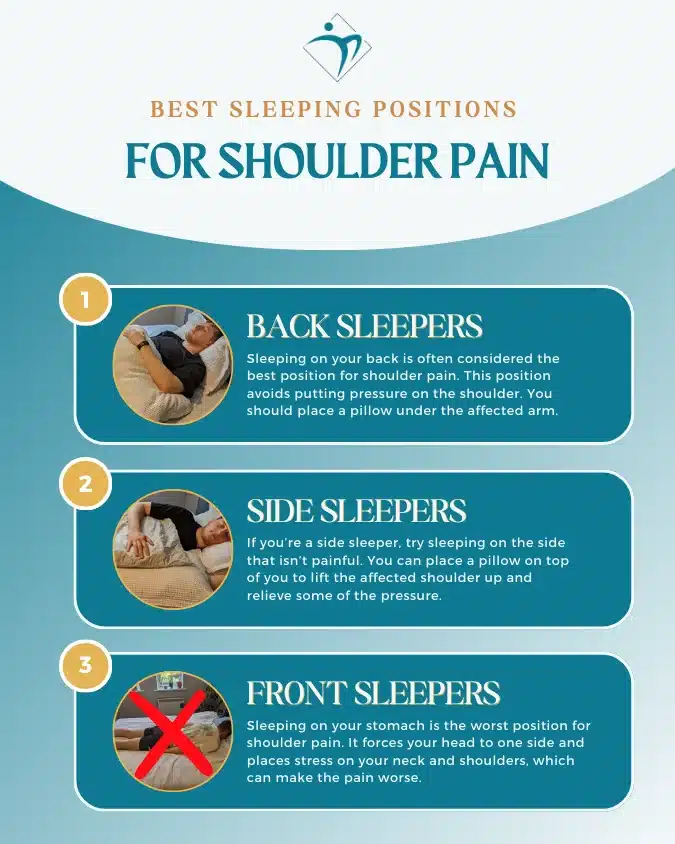
- For people with hip, shoulder, or joint pain: Back sleeping eliminates pressure on the side of the body, reducing pain from arthritis, bursitis, or recent joint injuries.
- For post-surgical recovery: Many healthcare providers recommend back sleeping after abdominal, breast, or spinal surgery to avoid putting pressure on incision sites during early healing.
- For people with proper sleep support: A medium-firm mattress and well-fitted contoured pillow can maintain neutral spinal alignment, reducing the risk of chronic back pain over time.
- For light snorers without other risk factors: People who snore quietly, have no diagnosed sleep apnea, and no reflux issues may experience no negative effects from back sleeping at all.
For some sleepers with proper support, back sleeping can promote neutral spinal alignment and joint pressure relief.
Source: mayoclinic.org
Evidence-Based Tips To Reduce Back Sleeping Health Risks
If you prefer back sleeping but want to minimize its risks, these actionable, clinician-approved strategies can make a big difference:
- Elevate the head of your bed: Raise the head of your bed 4–6 inches using bed risers or a firm wedge pillow, rather than stacking regular pillows (which bends the neck unnaturally and can worsen airway narrowing).
- Use a supportive, well-maintained contoured pillow: A contoured cervical pillow keeps your neck aligned with your spine, preventing chin-drop that narrows the airway. Match pillow height to your mattress and your shoulder width to avoid strain on the neck and upper back. A pillow that’s lost its shape from improper care can worsen neck pain and breathing issues, so follow proper pillow maintenance guidelines to keep it supportive.
- Optimize your mattress support: A medium-firm mattress is ideal for back sleeping, as it prevents lower back sagging without putting excess pressure on the shoulders. If your mattress has developed soft spots, adding a high-quality topper or reviving a sagging topper can restore uniform support without the cost of a new mattress. If your current mattress pad is lumpy or worn out, knowing when to replace old pads can make a major difference in pressure relief.
- Try positional therapy for snoring or apnea: If you have mild OSA or frequent snoring, a positional pillow, wearable device that vibrates when you roll onto your back, or even the classic tennis ball sewn into the back of a t-shirt can encourage side sleeping without forcing a full overnight position change.
- Practice consistent sleep hygiene: Avoid alcohol 3 hours before bed (it relaxes throat tissues and worsens snoring and reflux), maintain a healthy weight, and keep your sleep surface free of allergens with regular mattress protector care to reduce nasal congestion that worsens breathing issues.
- Consult a healthcare provider for persistent symptoms: If you experience loud, frequent snoring, gasping for air at night, severe nightly reflux, or pregnancy-related discomfort when sleeping on your back, see a sleep specialist or obstetrician for personalized guidance.
Positional aids like wedge pillows can reduce supine sleep side effects without forcing a full position change.
Source: sleepfoundation.org
Frequently Asked Questions
Does sleeping on your back cause sleep apnea?
Back sleeping does not cause sleep apnea on its own, but it can significantly worsen symptoms in people who already have the condition, or trigger frequent apnea events in people with mild, undiagnosed obstructive sleep apnea. The supine position allows throat tissues to collapse more easily, blocking the airway for 10 seconds or longer at a time.
Will back sleeping cause more wrinkles?
Back sleeping carries a far lower risk of sleep wrinkles than stomach or side sleeping pressed against a pillow, but it can still cause mild morning facial puffiness from fluid pooling. Long-term pressure from an overly high pillow may contribute to fine lines around the forehead and eyes, though this risk is minimal for most sleepers.
Is back sleeping bad during pregnancy?
After the first trimester, prolonged back sleeping is not recommended. The American College of Obstetricians and Gynecologists (ACOG) advises that supine sleep can compress the vena cava, reducing blood flow to the uterus and causing dizziness, low blood pressure, and reduced oxygen delivery to the fetus. Side sleeping is the safest position for late pregnancy.
Can changing pillows fix back-sleeping health risks?
A supportive, properly sized contoured pillow can reduce neck pain and improve airway openness, but it will not eliminate risks for people with severe sleep apnea or chronic GERD. Pair pillow adjustments with other mitigation strategies like bed elevation and sleep hygiene for best results.
How can I stop snoring if I sleep on my back?
Start by elevating your head 4–6 inches, using a contoured pillow, avoiding alcohol 3 hours before bed, and maintaining a healthy weight. If snoring is loud, frequent, or paired with daytime sleepiness, see a sleep specialist for testing for underlying sleep apnea.
Should I avoid back sleeping completely?
Not unless you experience persistent negative symptoms. For many people with proper support and no preexisting conditions, back sleeping is safe and can even support spinal health. Test small adjustments first before fully changing your preferred sleep position.
Can back sleeping cause lower back pain?
Back sleeping can cause lower back pain if your mattress is too soft and sags under your weight, creating pressure on the lumbar spine. A medium-firm mattress and small lumbar support pillow can eliminate this risk for most sleepers.
Consulting a sleep specialist is recommended for people with frequent snoring, daytime fatigue, or diagnosed sleep apnea.
Source: medicalnewstoday.com
Final Thoughts
Back sleeping is not an inherently harmful sleep position, but it carries notable health risks for many people, particularly those with preexisting breathing, digestive, or musculoskeletal conditions. The biggest disadvantages of supine sleep — worsened snoring, increased reflux, and joint pain — are often easily mitigated with small, low-cost adjustments to your sleep setup and habits, rather than forcing a full position change that can feel unnatural and disrupt sleep further. If you experience persistent snoring, daytime fatigue, or severe reflux, consult a healthcare provider to rule out underlying conditions like sleep apnea or chronic GERD before making major changes to your sleep routine. If you found this guide helpful, explore our library of evidence-based sleep tips to improve your rest tonight, or drop a comment below with your own experience adjusting your sleep position.

Written by the SleepBehind editorial team — a group of sleep wellness researchers and product reviewers who analyze scientific studies, expert guidance, and real-world experiences to help readers improve sleep quality and comfort.