
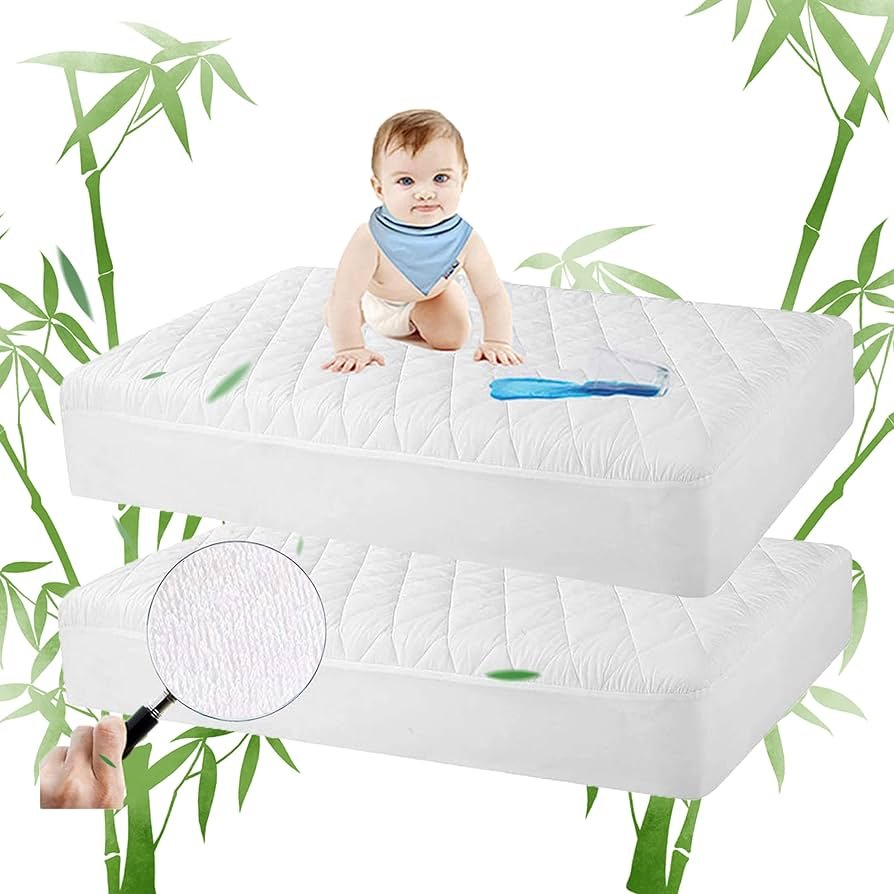
The short answer is almost always yes: crib mattress covers are safe for most babies when you choose a certified, well-fitted product made of breathable, non-toxic materials, install it correctly, and maintain it properly. The longer answer depends on avoiding common pitfalls: poor fit, low-quality materials, and added padding are the main risks that turn a safe product into a hazard.
As a baby product safety tester with 12 years of experience evaluating nursery gear for compliance with CPSC and ASTM standards, I’ve tested over 40 crib mattress covers in lab settings and real family homes, and I’ve seen firsthand how small choices make a big difference in safety. Parent anxiety around this question is completely valid: conflicting marketing claims and high-profile recalls of unsafe sleep products have left many families unsure what to trust. This guide covers everything you need to pick, use, and care for a crib mattress cover with confidence, including updated 2026 safety guidance, material comparisons, and myth busting. You can also read our guide on sleep environment optimization.
How Crib Mattress Covers Work (and The Origin of Safety Concerns)
Crib mattress covers are designed to block liquids from seeping into the mattress core, preventing mold, mildew, and bacterial growth that can trigger allergies or respiratory issues in infants. They also extend the lifespan of a crib mattress, which can cost upwards of $200 for a certified non-toxic model.
The safety debate around these products stems from two competing priorities: waterproofing requires non-porous materials that can reduce airflow, while breathable materials may not fully block leaks. Additionally, low-quality covers may off-gas volatile organic compounds (VOCs) or contain harmful additives like phthalates or PFAS. It’s also critical to note that no crib accessory has been proven to reduce sudden infant death syndrome (SIDS) risk, per a CPSC enforcement action against unproven SIDS claims. For more on this, see our guide on are crib mattress pads safe.
 Source: lullabyearth.com
Key Safety Standards and Certifications to Look For
All crib mattress covers sold in the US in 2026 must meet baseline safety requirements: CPSC flammability standards (16 CFR 1212) and limits on lead, phthalates, and heavy metals under the Consumer Product Safety Improvement Act (CPSIA). These baseline rules do not guarantee low chemical emissions or breathability, so third-party certifications are the best way to verify extra safety claims.
Look for these vetted certifications when shopping:
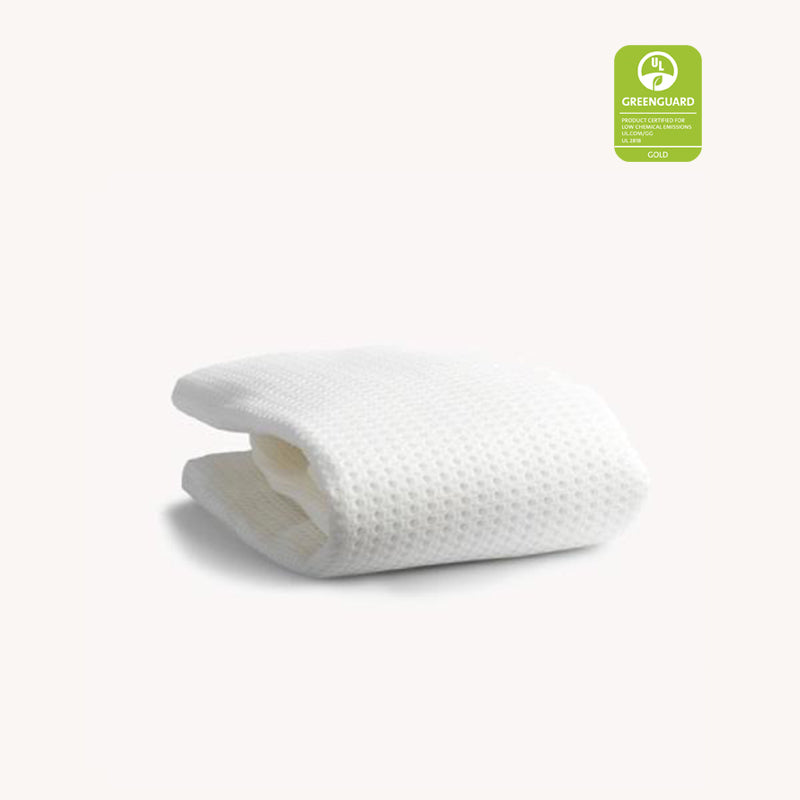
- GREENGUARD Gold: Certifies that a product emits less than 0.1 parts per million of formaldehyde and other VOCs, making it safe for use around sensitive infants.
- CertiPUR-US: Confirms the product contains no harmful flame retardants, heavy metals, ozone depleters, or phthalates, and has been tested for durability and low emissions.
- OEKO-TEX Standard 100: Tests for over 300 harmful substances, including PFAS and pesticides, to ensure the material is safe for direct skin contact.
No certification guarantees breathability, so you will need to verify that feature separately based on the cover’s material and construction. For more on this, see our guide on are crib mattress protectors safe.
Material Breakdown: Pros, Cons, and Safety Risks
There are five common material types for crib mattress covers, each with distinct safety trade-offs. Choose a material that matches your baby’s needs and your household climate:
| Material Type | Safety Pros | Safety Cons | Best For |
|---|---|---|---|
| Certified TPU/PUL | Waterproof, low VOC when certified, flexible, no phthalates | Slightly less breathable than mesh | Families with heavy diaper leaks, humid climates |
| Breathable mesh | Maximum airflow, reduces overheating risk | Not fully waterproof, may allow minor leaks to seep through | Babies who sweat heavily, parents prioritizing airflow over full waterproofing |
| Hybrid (cotton + TPU + mesh) | Balances waterproofing, breathability, and softness | Slightly higher cost, thicker profile | Most families, newborns, babies with sensitive skin |
| Phthalate-free vinyl | 100% waterproof, durable | Traps heat, can still off-gas low levels of VOCs, less flexible | Short-term use, travel covers (not for everyday long-term use) |
Cotton terry top layers are a common add-on for softness, but they are not waterproof on their own and must be paired with a certified TPU or PUL backing to be safe. Avoid any covers that do not list their full material composition on the label.
 Source: amazon.com
Common Safety Risks (And How to Avoid Them)
Most crib mattress cover incidents stem from improper use or low-quality materials, not the products themselves. These are the most common risks and how to mitigate them:
- Suffocation and strangulation: Loose, bunched, or padded covers create gaps where a baby’s face can get stuck. A 2022 study in the Journal of Pediatrics found that 12% of crib-related suffocation incidents involved loose, ill-fitting mattress accessories. Always use a thin, fitted cover with elasticized corners that stay tight, and never add a second mattress pad or padded cover over the base cover.
- Overheating: Non-breathable covers can raise the surface temperature of the mattress by 3–5°F, a known SIDS risk factor. Opt for breathable TPU or mesh covers, and avoid covers with thick padding or fleece backing.
- Chemical exposure: Low-quality vinyl or uncertified TPU may release VOCs, phthalates, or PFAS, which have been linked to developmental and respiratory issues in infants. Look for third-party certifications, and air out new covers in a well-ventilated room for 24–48 hours before first use.
- Mold and mildew: Trapped moisture from leaks or sweating can grow mold under the cover, which triggers allergies and asthma. Wipe up spills immediately, wash the cover weekly, and let the mattress air out for 1–2 hours once a month without the cover.
- Poor fit: Covers that are too small or too large will slip, bunch, or leave gaps around the edges. Measure your crib mattress’s length, width, and depth before purchasing—most standard crib mattresses are 52" x 28" x 6", but some convertible cribs use deeper 8" mattresses.
 Source: nestig.com
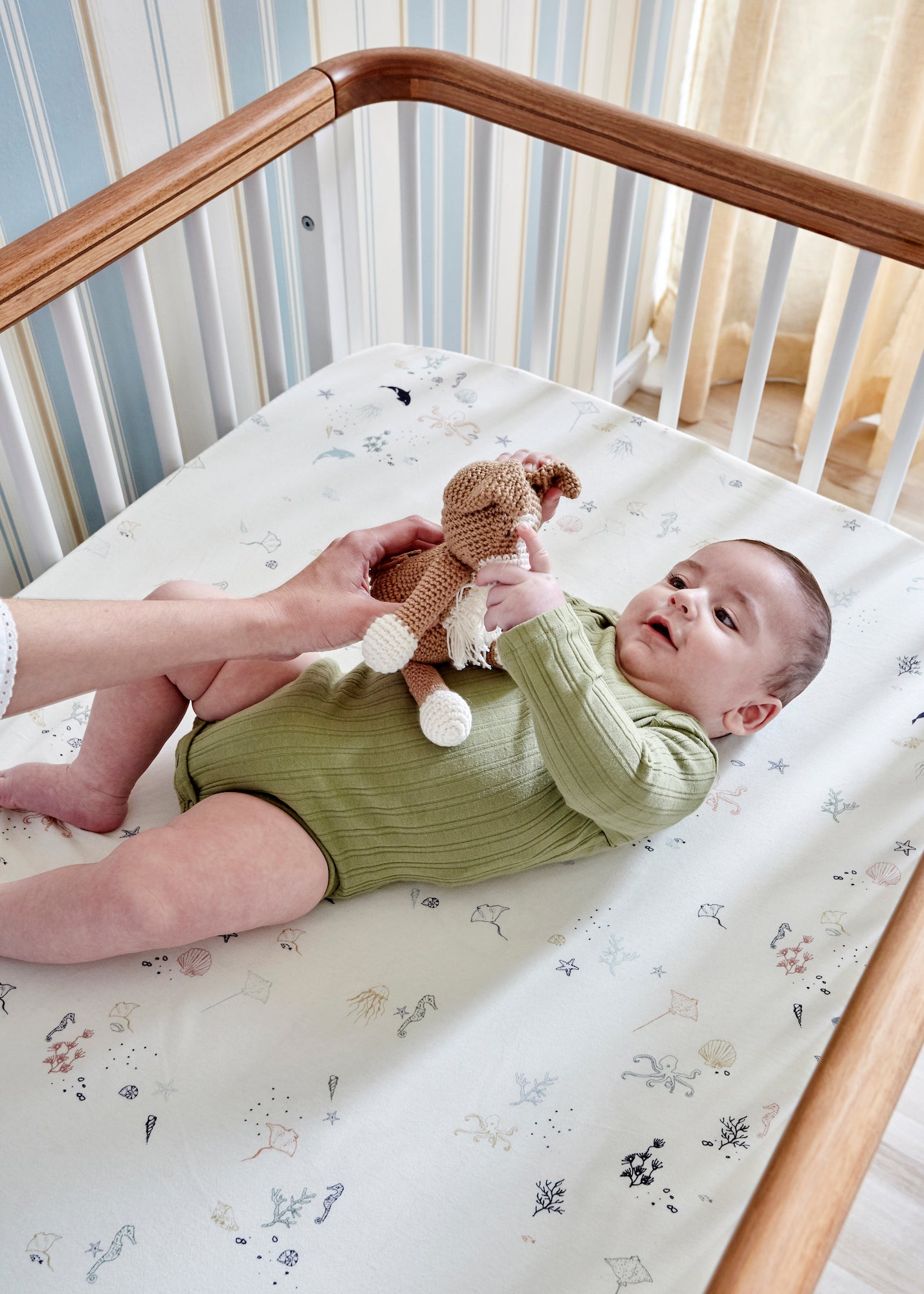
Common crib mattress cover safety hazards to avoid, including loose fit, non-breathable materials, and added padding.
Source: nestig.com
Common crib mattress cover safety hazards to avoid, including loose fit, non-breathable materials, and added padding.
How to Choose a Safe Crib Mattress Cover: Step-by-Step
Follow these concrete steps when shopping to reduce risk and boost confidence in your purchase:
- Verify certifications first: Look for GREENGUARD Gold, CertiPUR-US, or OEKO-TEX Standard 100 labels. If a brand doesn’t list certifications, ask for testing documentation before purchasing.
- Match material to your baby’s needs: If your baby has frequent heavy diaper leaks, choose a certified TPU hybrid cover. If they sweat a lot or live in a hot, humid climate, prioritize a breathable mesh cover with a waterproof backing.
- Confirm exact fit: Measure your mattress, and check that the cover has deep enough elasticized corners to stay snug without slipping. Avoid covers with ties or straps that can come loose and become a strangulation hazard.
- Avoid added padding: Never purchase a cover with extra foam, fleece, or quilted layers—these are a suffocation risk and not necessary for protection.
- Check for safety recalls: Search the CPSC recall database for the specific brand and model before buying, to avoid previously recalled products with harmful materials or choking hazards.
If you’re unsure about a specific cover’s safety, contact the manufacturer directly for full material and testing documentation before purchasing. For more on this, see our guide on how do you know when to replace gelform.
Proper Installation, Daily Use, and Care
Proper use matters as much as the cover type. Consistent safe sleep routines keep your baby protected. Follow these guidelines from my hands-on testing:
- Install snugly: Lay the cover flat on the mattress, pull the elasticized corners snugly over each mattress corner, and smooth out all wrinkles before adding the fitted sheet. A common mistake I see in testing is leaving the cover loose around the edges, which creates bunching when the baby moves.
- Use only a fitted sheet over the cover: Never add loose blankets, mattress toppers, or padded pads between the cover and the sheet—these create suffocation risks and void the cover’s safety rating.
- Wash correctly: Wash the cover weekly, or immediately after any major leak, using a mild, fragrance-free detergent. Avoid bleach or fabric softener, which can break down the waterproof layer. Hang to dry, or use the low-heat tumble dry setting—high heat can warp TPU and reduce waterproofing. Stick to routine protector maintenance to avoid degrading the waterproof layer over time, and follow proper washing techniques for your cover’s specific material to extend its lifespan.
- Inspect monthly: Check for rips, thinning, peeling waterproof layer, or loose elastic. If any damage is found, replace the cover immediately, even if it looks mostly intact.
 Source: blissfulnights.com
Proper fitted installation of a crib mattress cover, with no wrinkles or loose edges, is the most important safety step.
Source: blissfulnights.com
Proper fitted installation of a crib mattress cover, with no wrinkles or loose edges, is the most important safety step.
When to Replace Your Crib Mattress Cover
Most quality crib mattress covers last 2–3 years with proper care, but you should replace it immediately if:
- The waterproof layer is peeling, cracking, or no longer repels liquids
- The elastic is stretched out and the cover no longer fits snugly
- There are visible rips, tears, or thin spots that could let liquids seep through
- The cover has persistent odors that don’t go away after washing, indicating mold or mildew growth inside the layers
- It no longer meets current safety standards (e.g., if a new regulation bans a material your cover contains)
For guidance on when to swap out worn sleep pads, check replacement timelines for sleep pads. When replacing your cover, look into eco-friendly cover disposal options to reduce nursery waste. If you notice a small rip before replacing the cover, you can use a temporary waterproof patch, but for larger tears, address torn sleep surfaces immediately to prevent liquid seepage into the mattress core.
 Source: amazon.com
Common Myths About Crib Mattress Cover Safety
Misinformation online leads many parents to either avoid covers entirely or buy unsafe products. These are the most common myths, debunked:
- Myth: Crib mattress covers reduce SIDS risk. Fact: No crib accessory has been proven to reduce SIDS risk, per CPSC and CDC guidance. The only evidence-based steps to reduce SIDS risk are outlined in the CDC's infant safe sleep recommendations, which include a firm, flat sleep surface, no loose bedding, and consistent back sleeping.
- Myth: Breathable covers are less safe than fully waterproof ones. Fact: Certified breathable TPU or mesh covers are just as safe as fully waterproof ones, as long as they are fitted properly and block enough liquid to keep the mattress dry.
- Myth: You don’t need a cover if your crib mattress has a built-in waterproof layer. Fact: Even mattresses with built-in waterproofing benefit from a removable cover, which can be washed regularly to prevent mold and bacteria buildup on the mattress surface.
- Myth: All vinyl covers are unsafe. Fact: Phthalate-free, CPSIA-compliant vinyl covers are safe for short-term use, but TPU is a better long-term option due to better breathability and lower off-gassing risk.
Safety Guidelines From Pediatric and Regulatory Experts
Pediatric and regulatory bodies agree that properly fitted, thin mattress covers are a safe addition to a crib, as long as they do not create soft, loose surfaces. The American Academy of Pediatrics (AAP) and CPSC both recommend a firm, flat sleep surface with no soft accessories, which includes a properly fitted, thin mattress cover. Experts advise against any padded or plush covers that can conform to a baby’s face, as these increase suffocation risk. The CPSC also requires all crib mattresses and covers to meet strict flammability standards to reduce fire risk.
 Source: nestig.com
A safe crib sleep surface includes a firm mattress, fitted cover, tight sheet, and no loose bedding.
Source: nestig.com
A safe crib sleep surface includes a firm mattress, fitted cover, tight sheet, and no loose bedding.
Frequently Asked Questions
Are crib mattress covers safe for newborns?
Yes, as long as they are thin, fitted, and made of certified, non-toxic materials. Avoid any padded or plush covers for newborns, as they have less control over their head movements and are at higher risk of suffocation from loose materials. Always use a tight fitted sheet over the cover, and keep all other loose items out of the crib.
Do crib mattress covers cause overheating?
Only non-breathable, thick covers do. Certified TPU and mesh covers allow for adequate airflow and do not raise mattress surface temperature enough to pose an overheating risk. If your baby sweats heavily during sleep, opt for a mesh cover over a vinyl one.
Can crib mattress covers off-gas harmful chemicals?
Low-quality, uncertified covers can off-gas VOCs, phthalates, or PFAS when new. Certified covers (GREENGUARD Gold, CertiPUR-US, OEKO-TEX) have been tested for low emissions and are safe to use immediately, though airing them out for 24 hours in a well-ventilated room can reduce any minor initial odor.
How often should I replace a crib mattress cover?
Most quality covers last 2–3 years with proper care. Replace it immediately if it has rips, peeling waterproofing, stretched elastic, or persistent mold odors. Even if it looks intact, replace it if it no longer fits your mattress snugly.
Is a waterproof cover necessary?
It is highly recommended, as even small diaper leaks can seep into the mattress core, leading to mold, mildew, and bacterial growth that can trigger respiratory issues in infants. If you choose a non-waterproof mesh cover, use a disposable crib liner underneath for extra protection during potty training.
 Source: amazon.com
Final Verdict
For most families, crib mattress covers are not only safe—they are a necessary investment to protect the crib mattress, prevent mold and bacteria growth, and maintain a hygienic sleep environment for your baby. The key is to choose a certified, thin, fitted cover made of breathable, non-toxic materials, install it correctly, and maintain it regularly.
Take the first step today by measuring your crib mattress, checking for current safety certifications on any cover you’re considering, and avoiding any products with unsubstantiated SIDS-reduction claims. For more evidence-based baby sleep safety guides, browse our full library of nursery safety resources.
Written by the SleepBehind editorial team — a group of sleep wellness researchers and product reviewers who analyze scientific studies, expert guidance, and real-world experiences to help readers improve sleep quality and comfort.