
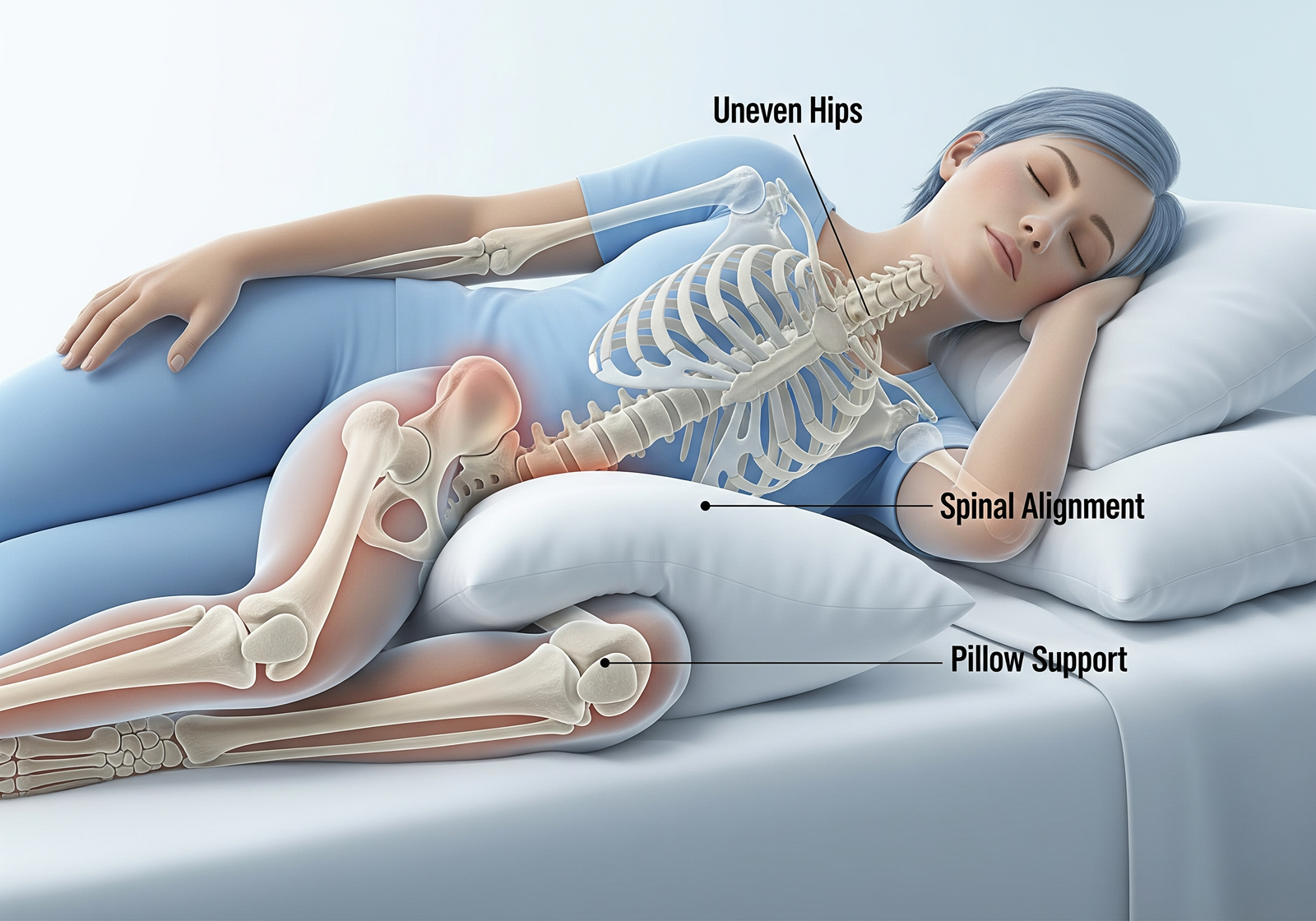
Waking up with aching hips, a stiff lower back, or a throbbing knee is an all-too-common frustration for people with uneven hips (also called pelvic obliquity or functional leg length discrepancy). This misalignment throws your spine out of neutral, amplifies pressure on joints while you sleep, and can leave you tossing and turning for hours before you finally drift off — only to wake up in even more pain a few hours later.
The good news is you don’t need expensive surgery or complicated treatments to get pain-free rest. This guide breaks down 9 actionable, evidence-backed tips to correct pelvic alignment while you sleep, release tight contributing muscles, and build long-term strength to keep your hips level. We’ll cover at-home self-assessments, optimal sleep positions, gear recommendations, pre-bed stretches, and clear red flags that mean it’s time to see a healthcare provider, so you can start sleeping better tonight. You can also read our guide on how to sleep without neck pain.
What Are Uneven Hips (And Why Do They Disrupt Sleep?)
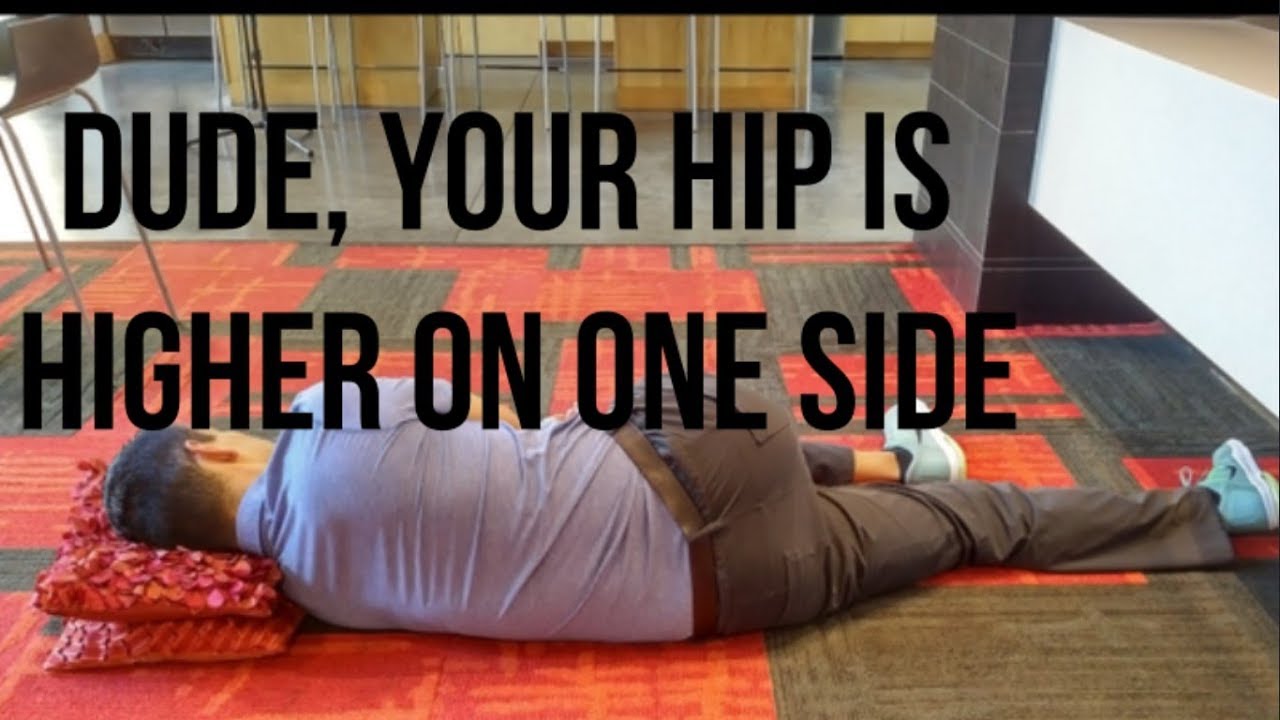
Uneven hips describe a pelvic tilt where one hip bone (iliac crest) sits higher than the other. There are two core types:
- Functional leg length discrepancy: The actual bone length of your legs is equal, but tight muscles, poor posture, or habitual movement patterns tilt the pelvis, making one leg appear shorter.
- Structural leg length discrepancy: An actual difference in the length of the thigh or shin bone, often from birth, injury, or growth plate issues.
When your pelvis is tilted, your spine curves to compensate, putting extra pressure on lumbar discs, compressing the hip joint on the lower side, and irritating the piriformis muscle (which can pinch the sciatic nerve and cause radiating leg pain). Sleeping on a too-soft surface or in a misaligned position amplifies this pressure, leading to pain that wakes you up or leaves you stiff and sore in the morning.
How To Confirm If Uneven Hips Are Impacting Your Sleep
Start with these simple at-home checks to rule out other causes of nighttime pain:
- Stand barefoot on a flat surface in front of a mirror, relax your shoulders, and check if one hip bone sits higher than the other.
- Lie on your back, bend both knees to 90 degrees with feet flat on the bed, and see if one knee sits higher than the other.
- Walk barefoot and note if you lean to one side, or if one leg appears to swing shorter than the other.
If you notice consistent misalignment, or if your pain is accompanied by numbness, weakness, or recent trauma, schedule an assessment with a physical therapist or orthopedist. The American Academy of Orthopaedic Surgeons notes that formal measurement and imaging are the only way to confirm a true leg length discrepancy and rule out underlying musculoskeletal conditions AAOS leg length discrepancy guidance.
 Pelvic tilt shifts weight unevenly across the hips, increasing joint pressure during sleep.
Source: activ8posture
Pelvic tilt shifts weight unevenly across the hips, increasing joint pressure during sleep.
Source: activ8posture
9 Actionable Tips For Pain-Free Sleep With Uneven Hips
These tips are ordered from simplest, fastest-acting fixes to longer-term corrective strategies. Start with the first 2-3 tips tonight for immediate relief.
1. Sleep on your side with the higher hip on top, using a firm knee pillow
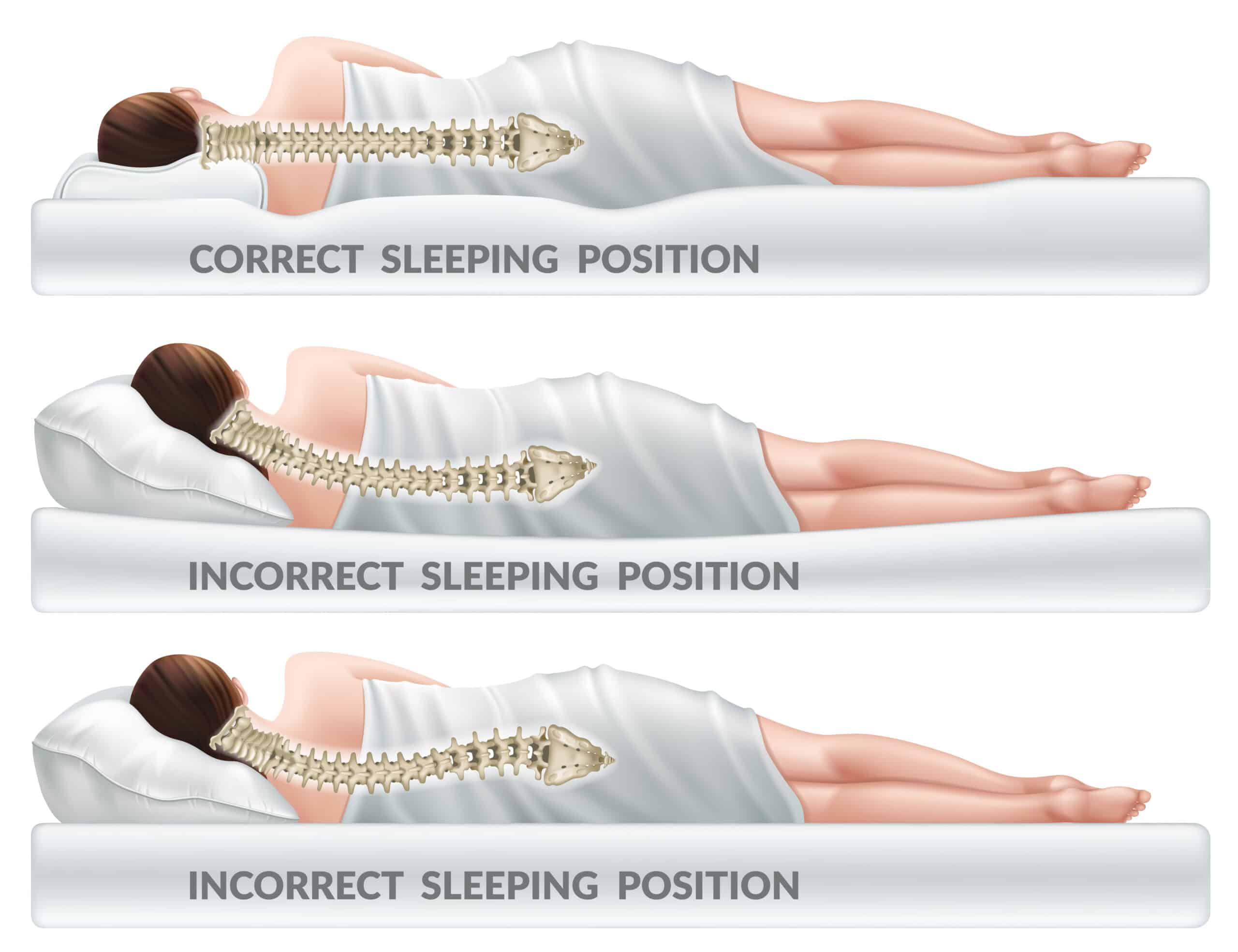
Side sleeping is the most recommended position for uneven hips, as it keeps the pelvis stacked and aligned when paired with proper support. Lie on the side with the higher hip positioned on top, and place a firm, contoured knee pillow between your knees to prevent your top leg from rolling forward and pulling your pelvis out of alignment. If there is a visible gap between your waist and the mattress on the side you’re sleeping on, tuck a thin, rolled towel or small pillow in the gap to keep your spine straight and avoid twisting. A common mistake people make is using a too-soft regular bed pillow as a knee pillow, which compresses under leg weight and fails to keep hips aligned.
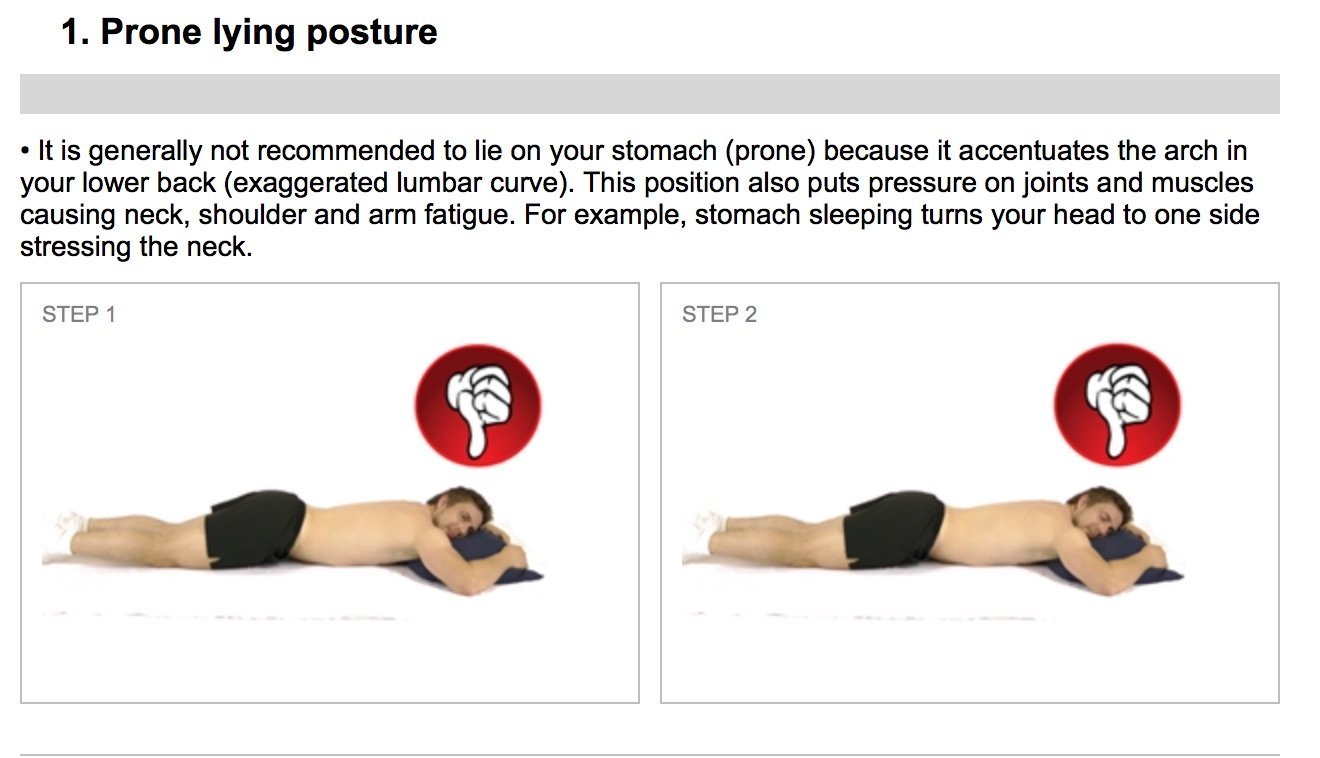 Stomach sleeping rotates the pelvis, worsening tilt and strain on hip joints.
Source: boostphysio
Stomach sleeping rotates the pelvis, worsening tilt and strain on hip joints.
Source: boostphysio
2. Try back sleeping with elevated knees as an alternative position
If side sleeping causes shoulder pain or feels uncomfortable, back sleeping is a low-impact alternative. Lie flat on your back, and place a wedge pillow or stack of 2-3 firm pillows under your knees to flatten the lumbar curve slightly, reducing pressure on the lower spine and pelvis. For extra support, add a small cylindrical lumbar roll (4-6 inches in diameter) under the small of your back to fill the natural gap between your spine and the mattress. This position is especially helpful for people with hip bursitis, as it eliminates direct pressure on the side of the hip joint.
3. Avoid stomach sleeping entirely, or modify it only as a temporary fix
Stomach sleeping is the worst position for uneven hips, as it forces the pelvis to rotate and exaggerate pelvic tilt, increasing strain on hip joints and the lower back. If you have an entrenched stomach sleeping habit you can’t break immediately, place a thin pillow under the lower side of your hip to reduce tilt as a short-term fix. That said, transitioning to side or back sleeping will deliver far better long-term pain relief and alignment.
4. Choose a medium-firm mattress that supports pelvic alignment
Your mattress is the foundation of your sleep setup, and a sagging or too-soft surface will negate even the best pillow arrangement. Look for a medium-firm mattress (rated 6-7 out of 10 on the firmness scale) that keeps your pelvis level when you lie on your side, without sinking more than 1-2 inches under your hip weight. Hybrid mattresses (combining foam and coils) are often a good middle ground, as they provide cushioning for the hips without sagging. If you can’t afford a new mattress, a high-density foam topper (at least 3 inches thick) can add enough support to correct a too-soft bed. A worn-out sagging mattress will negate even the best pillow setup; if you're unsure if your mattress is still supportive, check for signs your topper needs replacing to avoid worsening pelvic tilt. If you have an old feather topper that’s lost its loft, you may be able to restore its support with proper care refresh an old feather topper.
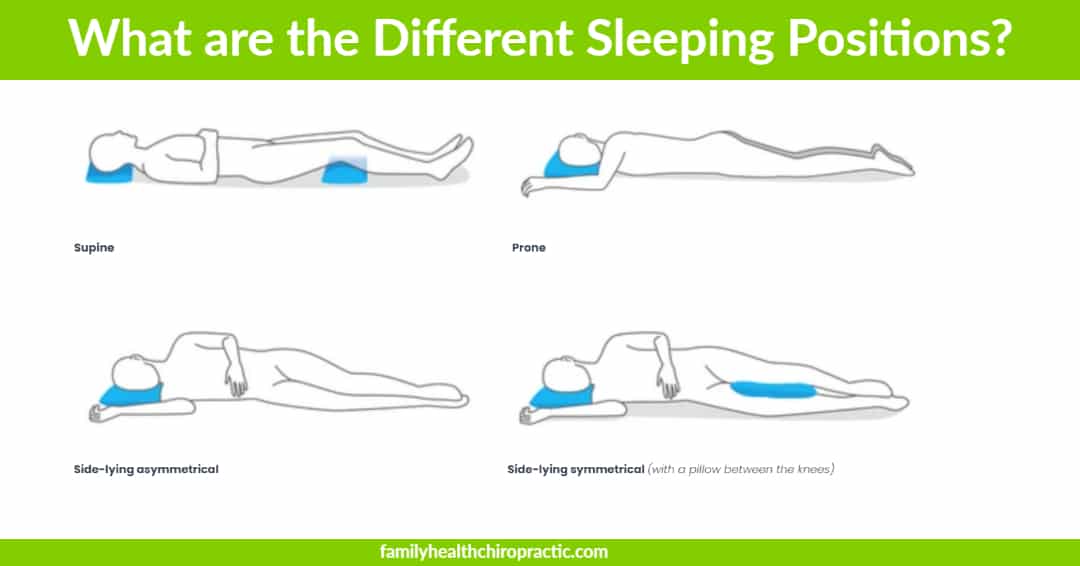 Side and back sleeping positions reduce pelvic pressure when paired with support pillows.
Source: familyhealthchiropractic
Side and back sleeping positions reduce pelvic pressure when paired with support pillows.
Source: familyhealthchiropractic
5. Use targeted support pillows for extra alignment
Beyond a knee pillow, these affordable props can make a huge difference in keeping your pelvis aligned:
- Contoured knee pillow: Stays in place better than a regular bed pillow, and is shaped to fit between your knees without slipping out during the night.
- Full-length body pillow: Hug a long body pillow to keep your legs aligned and prevent rolling onto your stomach mid-sleep.
- Wedge pillow: Place under your knees for back sleeping, or under your waist if you have a large gap between your lower back and the mattress.
- Small lumbar roll: A cylindrical pillow that fits in the small of your back for both side and back sleepers, filling gaps to keep the spine neutral.
Wash your support pillows every 2-3 months to avoid buildup of dust mites and skin oils that can reduce support over time; our guide to cleaning bamboo pillows covers safe care steps for all pillow types.
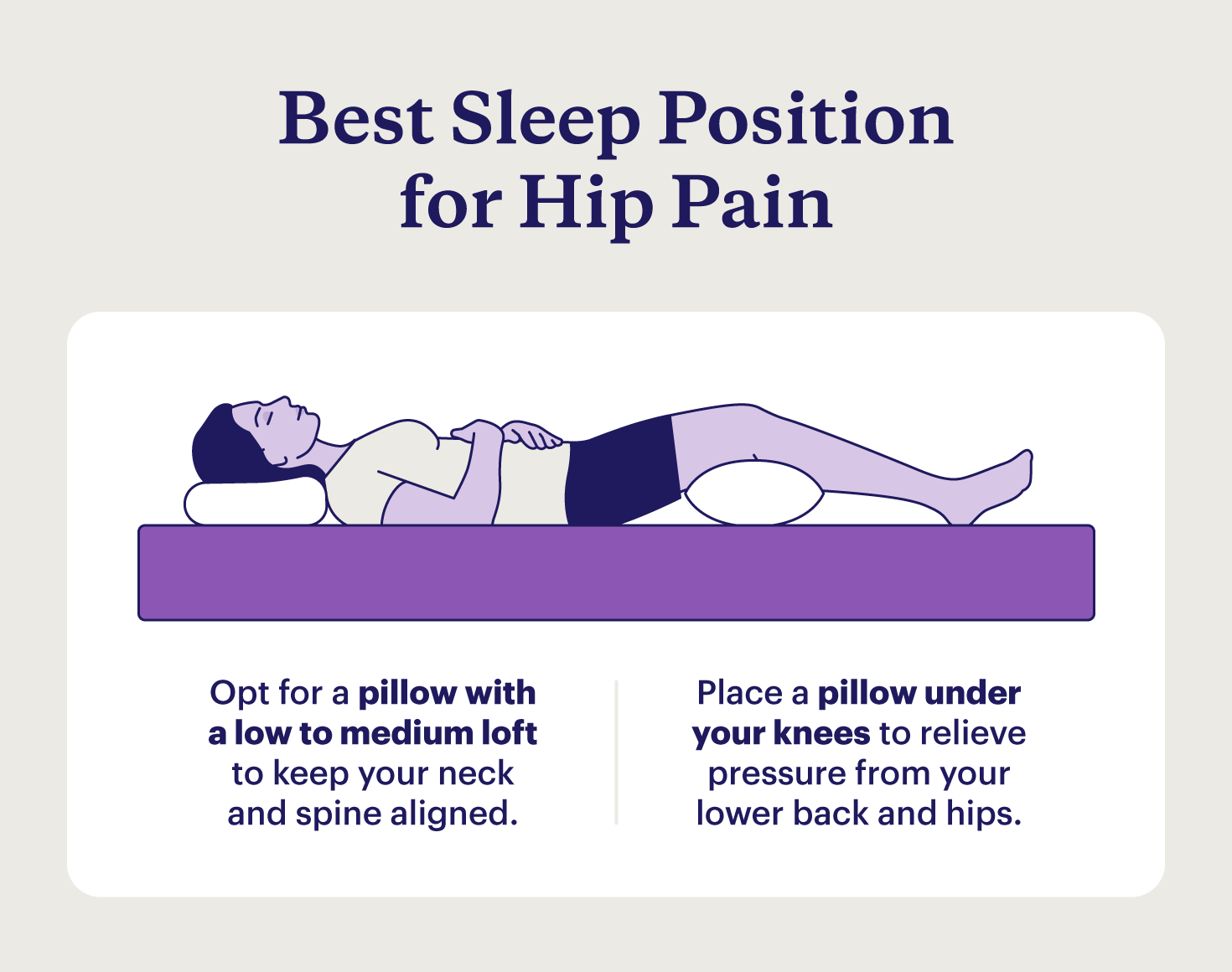 A firm knee pillow keeps hips stacked and aligned for side sleepers.
Source: purple
A firm knee pillow keeps hips stacked and aligned for side sleepers.
Source: purple
6. Do 5-10 minutes of gentle pre-bed stretches to release tight hip muscles
Tight hip flexors, glutes, and piriformis muscles are a leading cause of functional pelvic tilt, and releasing them before bed reduces nighttime pain and makes your sleep position setup more effective. Stick to static, gentle stretches only (avoid aggressive deep stretching, which can overstimulate muscles and make it harder to fall asleep):
- Hip flexor stretch: Kneel on the side with the tighter hip flexor, keep your core engaged, tuck your pelvis slightly, and gently push your hips forward until you feel a stretch in the front of the hip. Hold 20-30 seconds per side, 2 reps. Don’t arch your lower back.
- Piriformis stretch: Lie on your back, cross the ankle of the side with tighter glutes over the opposite knee, gently pull the bottom leg toward your chest until you feel a deep stretch in the glute/upper hamstring. Hold 20-30 seconds per side, 2 reps.
- Glute bridge: Lie on your back, knees bent, feet flat on the bed, lift your hips until your body forms a straight line from shoulders to knees, squeeze your glutes at the top. Hold 2 seconds, lower slowly. Do 2 sets of 10.
- Clamshell: Lie on your side with the higher hip on top, knees bent at 45 degrees, keep your feet touching as you lift your top knee as high as you can without rotating your pelvis. Lower slowly. Do 2 sets of 12 per side.
 Gentle pre-bed stretches release tight hip muscles that contribute to pelvic tilt.
Source: posture-works
Gentle pre-bed stretches release tight hip muscles that contribute to pelvic tilt.
Source: posture-works
7. Strengthen core and glute muscles 3-4 times per week for long-term correction
Stretching alone won’t fix muscle imbalances that cause pelvic tilt — you need to strengthen the stabilizing muscles that hold your pelvis level during daily movement and sleep. Add these 2-3 exercises to your routine 3-4 times per week, in addition to your pre-bed stretches:
- Side-lying leg lifts: 2 sets of 10 per side, to strengthen the gluteus medius, the key muscle that stabilizes the pelvis.
- Bird-dog: 2 sets of 8 per side, to build core stability and reduce lower back strain.
- Glute bridges and clamshells (from tip 6): 2-3 sets each, 3 times per week.
Most people see a noticeable reduction in nighttime hip pain after 4-6 weeks of consistent strength work. If you have a prior hip or back injury, check with a physical therapist before starting new exercises to avoid exacerbating existing issues.
8. Adjust your position throughout the night to maintain alignment
It’s normal to roll over in your sleep, but accidental movement can undo the pelvic alignment you set up with pillows. To stay aligned all night:
- Tuck your knee pillow between your legs before you fall asleep, so it stays in place if you roll slightly.
- If you use a body pillow, hug it to your chest to keep your top leg from rolling forward and twisting your pelvis.
- If you wake up in the middle of the night, adjust your pillows first before trying to fall back asleep to avoid staying in a misaligned position.
- If you sleep with a partner, make sure your mattresses are aligned so you don’t roll into each other and disrupt your position.
If you frequently toss and turn due to hip pain and wake up with damaged hair, our guide to sleep styles for straight hair includes low-friction options that protect your hairstyle overnight.
 Waist and knee pillows fill gaps to keep the spine in neutral alignment.
Source: posturedirect
Waist and knee pillows fill gaps to keep the spine in neutral alignment.
Source: posturedirect
9. Use heat or cold therapy to reduce acute pre-sleep pain
If you have sharp or achy hip pain that’s keeping you from falling asleep, apply targeted therapy before bed to reduce discomfort:
- Heat therapy: Use a heating pad on low or a warm towel on the painful hip for 10-15 minutes to relax tight muscles and increase blood flow. This is best for dull, achy pain from muscle tension.
- Cold therapy: Use an ice pack wrapped in a thin cloth on the painful area for 10-15 minutes to reduce swelling and numb sharp pain. This is best for pain from joint inflammation or recent overuse.
You can also use over-the-counter topical pain relief (creams with menthol or diclofenac) if recommended by your doctor, but avoid oral pain medications right before bed unless directed, as they can disrupt deep sleep architecture.
 A physical therapist can assess pelvic alignment and recommend targeted treatments.
Source: wikihow
A physical therapist can assess pelvic alignment and recommend targeted treatments.
Source: wikihow
Long-Term Care And When To See A Healthcare Provider
If you’ve followed the tips above for 4-6 weeks and still experience persistent nighttime hip pain, it’s time to seek professional care to address underlying structural issues. Seek immediate medical attention if you experience any of the following red flags:
- Night pain that doesn’t ease with position changes, and wakes you up multiple times per night
- Numbness, tingling, or weakness in the leg or foot
- A noticeable, recent change in leg length or pelvic alignment after trauma
- Pain that gets worse during daily activities, not just at night
A healthcare provider may recommend:
- Physical therapy: Targeted manual therapy, gait training, and personalized exercises to correct muscle imbalances and improve pelvic alignment.
- Custom orthotics or heel lifts: For confirmed structural leg length discrepancy, custom lifts can balance the pelvis during the day and while you sleep to reduce strain.
- Corticosteroid injections: For inflammatory hip conditions like bursitis that don’t respond to at-home care.
- Surgery: A very rare option for severe structural issues (like hip dysplasia or severe scoliosis) that don’t improve with conservative treatments.
When you see a provider, bring notes about your sleep setup, which positions make pain better or worse, and which stretches or exercises you’ve been doing, so they can give you targeted, personalized advice.
 Consistent pillow setup and stretching reduce nighttime hip pain for most people.
Source: youtube
Consistent pillow setup and stretching reduce nighttime hip pain for most people.
Source: youtube
Frequently Asked Questions
How do I know if my hips are uneven and affecting my sleep?
Start with the at-home mirror, supine knee, and gait checks outlined earlier. If you notice consistent misalignment, or if your hip pain is worse when sleeping on one side and eases when you switch positions, uneven hips are likely a contributing factor.
Can pillows really fix hip alignment at night?
Pillows don’t fix the underlying muscle or structural cause of uneven hips, but they provide temporary support that keeps your pelvis aligned, reduces joint pressure, and helps you stay in a pain-free position long enough to fall and stay asleep. For many people, the right pillow setup reduces nighttime pain by 50% or more within the first week.
Which sleep position is best for uneven hips?
Side sleeping with a firm knee pillow is ideal for most people with uneven hips, as it keeps the pelvis stacked and aligned. Back sleeping with elevated knees is a good alternative for people with shoulder pain or who can’t get comfortable on their side. Stomach sleeping should be avoided whenever possible.
How long will it take to see improvement from these tips?
Most people notice reduced pain and better sleep within a few nights of adjusting their sleep setup and adding a knee pillow. Long-term correction of muscle imbalances that cause pelvic tilt takes 4-6 weeks of consistent stretching and strength work. Stick to one change at a time for 2 weeks before adding new tips to track what works best for your body.
Are heel lifts or orthotics helpful for sleeping with uneven hips?
If a healthcare provider confirms you have a structural leg length discrepancy (actual difference in bone length), custom heel lifts can balance your pelvis during the day and while you sleep, reducing strain. Functional leg length discrepancy (from muscle tightness or pelvic tilt) usually responds far better to stretching, strength work, and positional fixes than to lifts.
Will sleeping on an uneven mattress make my hip pain worse?
Yes. A sagging or too-soft mattress fails to support the pelvis, which exaggerates pelvic tilt and increases pressure on the hips and lower back. Replace a sagging mattress as soon as possible, or add a high-density foam topper for extra support. Use a washable mattress protector to keep your bedding free of allergens and spills that can soften the mattress surface over time; our guide to easy protector upkeep makes regular cleaning simple.
Can chiropractic care help with uneven hips and sleep pain?
Chiropractic adjustments can improve pelvic alignment and reduce muscle tension for some people, but it’s important to see a licensed, board-certified chiropractor, and combine adjustments with at-home stretching and strength work for long-term results. Adjustments alone are unlikely to fix underlying muscle imbalances that cause pelvic tilt.
How can I stay in my side sleeping position all night if I roll around a lot?
A full-length body pillow is the most effective tool for preventing rolling, as it creates a physical barrier that keeps you on your side. If you struggle to stay in your side sleeping position all night, a long body pillow can help keep your legs aligned, and our guide to hair wraps for bed includes soft, non-restrictive options that can also help you stay in position without discomfort.
 Strengthening the hip adductors helps stabilize the pelvis long-term.
Source: posturedirect
Strengthening the hip adductors helps stabilize the pelvis long-term.
Source: posturedirect
Conclusion
Sleeping with uneven hips doesn’t have to mean chronic nighttime pain or exhausted, groggy days. Start with the simplest, fastest-acting fix first: add a firm knee pillow to your side sleeping setup tonight, and pair it with 5 minutes of gentle pre-bed hip stretches. Most people notice a reduction in pain within the first week of consistent use, with longer-term improvement coming from regular strength work to stabilize the pelvis.
If you’ve followed these tips for 4-6 weeks and still experience persistent pain, numbness, or weakness, schedule an appointment with a physical therapist or orthopedist to rule out underlying structural issues. For more tips to improve your overall sleep quality, browse our library of sleep health guides.
Have you tried any of these tips for uneven hips? Share your experience or questions in the comments below — we’d love to hear what works for you.

Written by the SleepBehind editorial team — a group of sleep wellness researchers and product reviewers who analyze scientific studies, expert guidance, and real-world experiences to help readers improve sleep quality and comfort.