
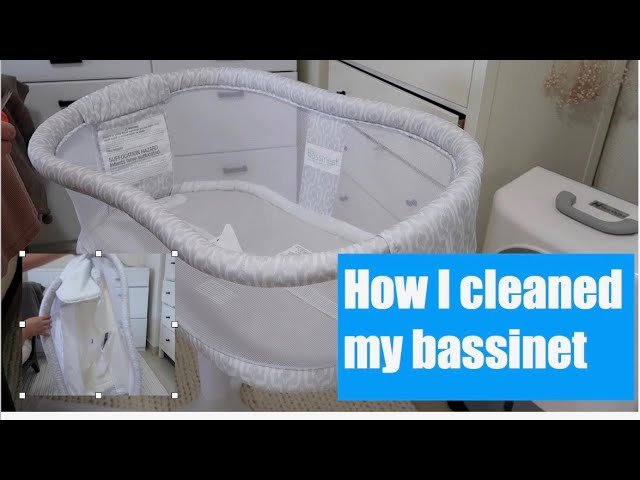
A clean bassinet mattress is one of the most important, yet often overlooked, parts of keeping your newborn safe and comfortable during their first few months of life. Babies spend 14–17 hours a day sleeping in their bassinet, and a soiled, damp mattress can harbor mold, dust mites, and bacteria that trigger eczema, respiratory irritation, and allergic reactions in infants with underdeveloped immune systems. Many caregivers worry about damaging the foam core or leaving harsh chemical residues that could harm their baby, which is why this guide breaks down simple, safe, step-by-step methods to clean a bassinet mattress without risk, tested against current pediatric safety guidance. Follow these tips to keep your baby’s sleep surface fresh, firm, and hazard-free for as long as possible.
Why Proper Bassinet Mattress Cleaning Is Non-Negotiable for Baby Safety
Recent guidance from the American Academy of Pediatrics (AAP) lists a clean, firm sleep surface free of excess moisture and contaminants as a core requirement for safe infant sleep American Academy of Pediatrics safe sleep guidance. Newborn skin is 30% thinner and more permeable than adult skin, making it far easier for irritants from a dirty mattress to cause rashes, allergic reactions, or respiratory discomfort. Foam bassinet mattresses are particularly prone to trapping moisture from spit-up, diaper leaks, and sweat, which creates an ideal environment for mold growth if not addressed quickly. Mold spores can trigger asthma and allergic reactions even in very young infants, and lingering odors from soiled mattresses can disrupt your baby’s sleep. Regular cleaning isn’t just about aesthetics—it’s a critical part of reducing health risks and extending the usable life of your bassinet mattress by 1–2 years with proper care. You can also read our guide on sweetnight coolnest vs sweetnight queen mattress.
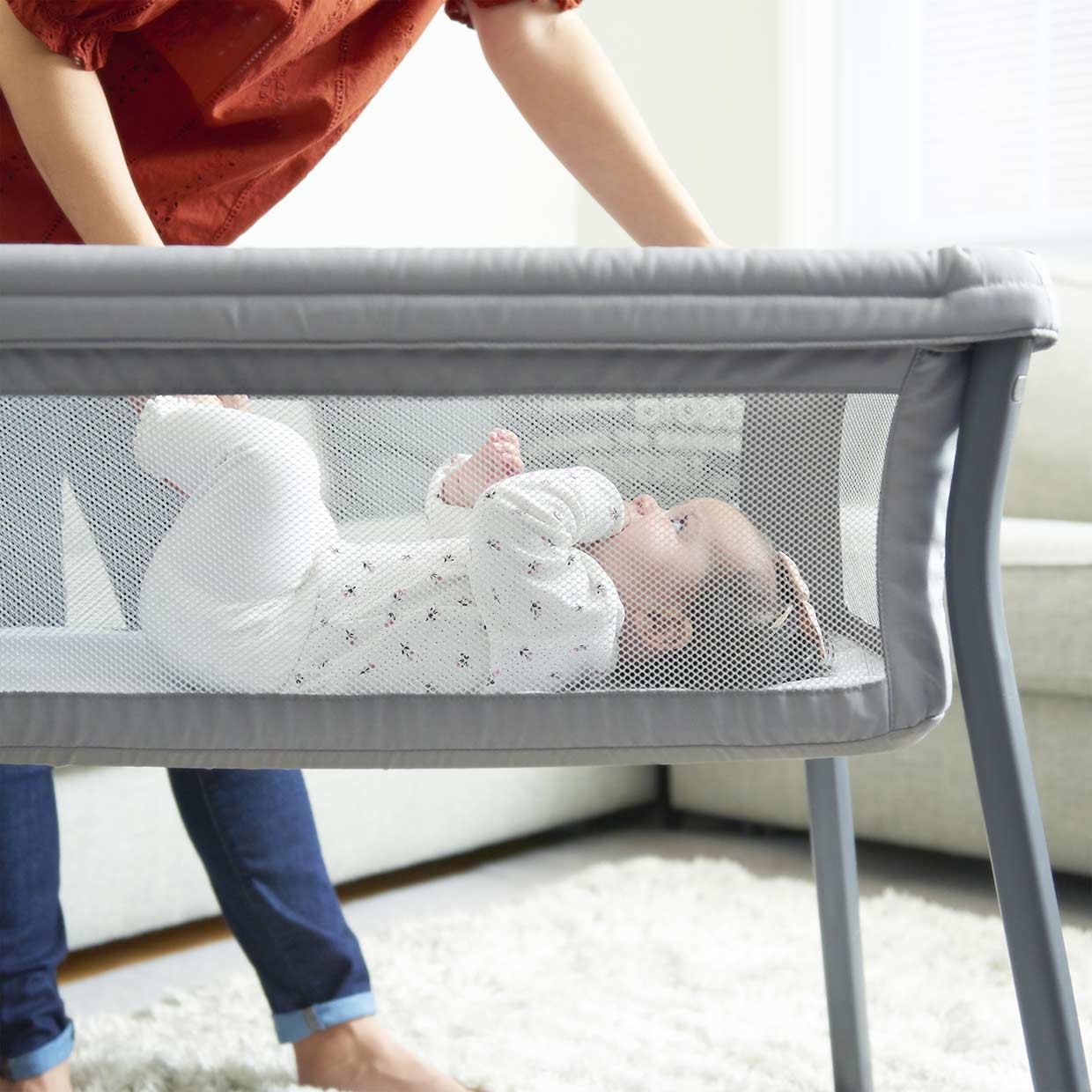 A clean, well-maintained bassinet mattress is a core part of safe infant sleep.
Pre-Cleaning Safety Checks to Avoid Damage or Risk
Before you start any cleaning, take 2 minutes to complete these checks to avoid ruining your mattress or putting your baby at risk:
- Check the manufacturer’s care label first: Always defer to the brand’s specific instructions, as guidelines for cleaning baby sleep accessories vary widely by brand and materials—just like the care requirements for sensitive bamboo textiles you may use for older children. Some bassinet mattresses have removable, machine-washable covers, while others are one-piece foam that cannot get wet.
- Inspect the cover for damage: Look for rips, tears, or broken zippers on the removable cover. A damaged cover lets liquids seep directly into the foam core, so patch minor tears with a fabric-safe adhesive or replace the cover entirely before cleaning to avoid permanent damage.
- Test cleaning solutions first: If your baby has sensitive skin or known allergies, mist a small amount of your chosen cleaning solution on a hidden edge of the mattress and wait 24 hours to check for discoloration or irritation before using it on the full surface.
- Clear the area: Remove all toys, blankets, and bedding from the bassinet and surrounding area to avoid cross-contamination during cleaning.
A common mistake caregivers make is skipping the care label and soaking the foam core, which breaks down the foam’s structure and creates hidden mold pockets that can’t be removed with surface cleaning.
Essential Tools and Safe Cleaning Supplies
Gather these supplies before you start to avoid interruptions during the cleaning process. All options are non-toxic and safe for use around infants:
- Mild, fragrance-free baby-safe liquid detergent (avoid bleach, ammonia, or abrasive cleaners)
- Unscented white distilled vinegar (for sanitizing and odor removal)
- Baking soda (for neutralizing deep-set odors and absorbing excess moisture)
- Clean, lint-free microfiber cloths or soft natural sponges (avoid rough scrubbers that can tear fabric)
- Spray bottle (for even, light misting of cleaning solutions)
- Soft-bristled brush or unused toothbrush (for scrubbing seams and textured areas where grime builds up)
- Absorbent clean towels (for blotting, not rubbing, to avoid spreading stains)
- Box fan or portable air circulator (for speeding up drying time without heat)
Unscented white distilled vinegar is a natural, non-toxic sanitizer that kills 99% of common household bacteria and mold spores without leaving harsh chemical residues, making it approved for use on children's items by the U.S. Environmental Protection Agency EPA Safer Choice natural cleaning guidance. You can also read our guide on zinus vs hybrid mattress.
 Gather all supplies before starting to avoid interruptions during cleaning.
Step-by-Step Guide to Cleaning a Bassinet Mattress
Follow these steps in order to thoroughly clean your bassinet mattress without damaging the foam core or fabric:
Step 1: Remove and Wash All Removable Layers First
Start by unzipping and removing any fitted sheet, waterproof pad, or bassinet mattress cover. Most removable covers are machine-washable on a gentle, cold cycle with your mild baby-safe detergent—cold water prevents shrinkage and preserves any waterproof lining. Skip fabric softener, as it can break down the water-repellent coating over time. Air dry all removable layers completely before moving on to the mattress core; putting a damp cover back on a clean mattress will trap moisture and cause mold. If your bassinet has mesh siding, wipe it down with a damp cloth and mild soap at the same time to remove dust and spills.
Step 2: Vacuum the Entire Mattress Surface
Use the brush attachment on your vacuum to go over the entire top, sides, and bottom of the bare foam mattress. Pay special attention to the seams and edges, where dust, dead skin cells, and crumbs from spit-up accumulate. Vacuuming first lifts loose debris so you don’t push it deeper into the foam when you spot-clean. For extra thoroughness, run a handheld vacuum over the seams first to get into crevices that a standard vacuum head misses. This step takes 2–3 minutes but prevents grime from setting in over time.
Step 3: Spot-Clean Stains Gently and Rinse
Mix 1 cup warm water with 1 teaspoon of your mild baby-safe detergent in a spray bottle—don’t make it sudsy, just a light solution. Lightly mist the stained area, don’t soak it, then blot immediately with a clean, dry microfiber cloth, working from the outside of the stain in to avoid spreading it. For protein-based stains like spit-up, formula, or urine, avoid hot water, as heat sets the proteins into the fabric/foam, making the stain permanent. For set-in stains, let the detergent solution sit for 5 minutes before blotting, then blot a second time with a cloth dampened with plain water to rinse away any soap residue. Never rub, as that pushes the stain deeper into the foam.
Step 4: Sanitize the Entire Mattress Surface
Mix equal parts white distilled vinegar and water in a spray bottle, and lightly mist the entire surface of the mattress—again, don’t soak it, just a fine mist. Let it sit for 5 minutes; the acetic acid in vinegar kills common bacteria, mold spores, and viruses without leaving toxic fumes, making it safe for baby sleep surfaces. If you’re uncomfortable using vinegar, you can use a baby-safe disinfectant spray that’s EPA-approved for use on children's items, but always test it on a small hidden area first to ensure it doesn’t discolor the fabric. After 5 minutes, blot the entire surface with a clean, dry cloth to remove any excess moisture.
Step 5: Deodorize and Absorb Excess Moisture
Sprinkle a thin, even layer of baking soda over the entire mattress, focusing on any areas that had stains or lingering odors. Let it sit for at least 1 hour, or up to 4 hours for tough odors—baking soda is porous, so it pulls odors and leftover moisture out of the foam as it sits. After the waiting period, vacuum up all the baking soda with the brush attachment, going over the mattress multiple times to ensure no residue remains.
Step 6: Dry the Mattress Completely Before Reassembly
This is the most critical step to prevent mold growth, the top cause of premature bassinet mattress failure. Place the mattress in a well-ventilated room, ideally with a window open, and point a box fan directly at it to circulate air. Avoid using space heaters, hair dryers, or direct sunlight for more than 30 minutes, as high heat can warp the foam and damage the cover fabric. Depending on humidity levels, drying can take anywhere from 4 to 12 hours—you can test if it’s fully dry by pressing a clean, dry cloth firmly against the mattress; if no moisture transfers to the cloth, it’s safe to reassemble. A common mistake is putting the cover back on too soon, which traps hidden moisture that leads to mold growth weeks later, even if the surface feels dry.
 Follow these steps in order to avoid damaging the foam core.
Tackling Tough, Stubborn Stains
Some stains require extra targeted treatment, but can be removed safely without damaging the mattress:
Urine and Diaper Leaks
These are the most common bassinet mattress stains, and require immediate action to prevent odor and bacteria growth. First, blot up as much liquid as possible with clean, dry towels—don’t rub, as that spreads the urine deeper into the foam. Then mix 2 parts white vinegar with 1 part water, mist the stained area lightly, let sit for 10 minutes, then blot dry. The vinegar neutralizes the ammonia in urine that causes odor, while the baking soda step later will absorb any remaining scent. For older, set-in urine stains, you can use a small amount of enzyme cleaner specifically labeled safe for baby items—test it on a hidden area first, as some enzyme cleaners can discolor light fabrics. Let the enzyme cleaner sit for the time specified on the label, then blot and proceed with the baking soda step.
Formula and Milk Stains
These are protein-based stains, so hot water will cook the proteins into the fabric/foam, making them impossible to remove. Blot up any excess liquid first, then use your mild detergent solution (cold water only) to spot-clean, blotting until the stain lifts. Follow with a light mist of the vinegar-water solution to kill any lingering bacteria from the dairy, then proceed with baking soda deodorizing. Avoid using any harsh stain removers, as residues can irritate your baby’s skin.
Vomit and Sticky Residue
Scrape off any solid residue first with a dull knife or spoon to avoid spreading it. Then use the mild detergent solution to spot-clean, blotting until the sticky residue is gone. If there’s a lingering sour odor, the vinegar sanitizing step and baking soda deodorizing will eliminate it. For sticky, gummy residues like baby lotion or diaper cream, you can add a tiny drop of dish soap to your detergent solution to cut through the grease, but make sure to rinse thoroughly with a plain water-dampened cloth to remove all soap residue.
 Use only baby-safe stain treatments to avoid skin irritation.
Drying Best Practices to Prevent Mold and Foam Damage
Foam is porous, so it traps moisture easily—even if the surface feels dry, the core can still be damp, leading to hidden mold growth that can trigger asthma and allergies in babies. If you don’t have a box fan, you can place the mattress outdoors in a shaded, breezy area for 4–6 hours, but avoid direct sunlight for more than 30 minutes, as UV rays break down the foam’s structure over time, reducing its firmness and safety for infant sleep. If you live in a humid climate, run a dehumidifier in the room to speed up drying and reduce the risk of mold. Never put a damp bassinet mattress back into the bassinet, even if you’re in a hurry—trapped moisture in a closed, poorly ventilated bassinet can cause mold to grow in as little as 24 hours.
 Full air drying is the most critical step to prevent mold growth.
Routine Maintenance to Cut Down on Deep Cleaning
Consistent small habits reduce how often you need to do a full deep clean, and extend the life of your bassinet mattress significantly:
- Use a machine-washable fitted sheet and a waterproof pad on top of the mattress to catch spills, spit-up, and leaks before they reach the foam core. You can find simple care guidance for similar protectors for larger mattresses if you're upgrading your baby's sleep setup later.
- Change the fitted sheet every 2–3 days, or immediately after any major spill, to prevent moisture from seeping through to the mattress.
- Air out the mattress once a week by removing the sheets and cover and letting it sit in a well-ventilated area for 30 minutes to flush out built-up moisture and odors.
- Rotate the mattress 180 degrees every month to prevent uneven wear and indentations, which create gaps where dirt and moisture accumulate.
- Never leave a damp sheet or cover on the mattress overnight, as this traps moisture against the foam.
Following these maintenance habits can extend the life of your bassinet mattress by 1–2 years, cutting down on waste and replacement costs—similar to care tips for reviving worn sleep toppers when upgrading to a toddler bed.
 A well-maintained bassinet mattress keeps baby comfortable and safe during their first months.
When to Replace Your Bassinet Mattress
Even with perfect care, bassinet mattresses have a limited usable lifespan. Replace your mattress immediately if you notice any of the following signs:
- Persistent mold or mildew that won’t come off with deep cleaning
- Deep indentations that don’t rebound when you press on them
- Torn, broken, or crumbling foam
- A lingering sour odor that remains after multiple deep cleaning cycles
- Loss of firmness, as a soft sleep surface increases the risk of suffocation for newborns
Most bassinet mattresses last 1–2 years with proper care, but you should always replace a used bassinet mattress even if it looks clean, as you can’t be sure of its full cleaning history or if it has hidden mold or bacteria. If you’re unsure if your mattress is still safe, you can review common replacement cues for similar sleep pads to confirm it meets current safety standards.
Troubleshooting Common Cleaning Problems
If you run into issues while cleaning, try these fixes for common problems:
- Lingering odor after cleaning: Sprinkle baking soda over the mattress, let sit for 4 hours (or overnight for tough odors), then vacuum thoroughly. If the smell persists, the foam has likely absorbed the odor and needs to be replaced.
- Stain won’t budge: Use a baby-safe enzyme cleaner tested on a hidden area first, as enzymes break down protein-based stains that detergent can’t remove. Avoid harsh scrubbing, as this can damage the fabric.
- Foam feels damp after 12 hours of drying: Move the mattress to a less humid room, add a second fan to circulate air on both sides, or run a dehumidifier in the space. If it’s still damp after 24 hours, discard the mattress, as hidden mold is likely growing inside the foam.
- Discoloration from cleaning: Test a small hidden area with a color-safe baby-safe bleach if the care label allows, but avoid harsh products that can weaken the fabric. For minor discoloration, a baking soda paste (mixed with a tiny amount of water) can lift surface stains without damaging the material.
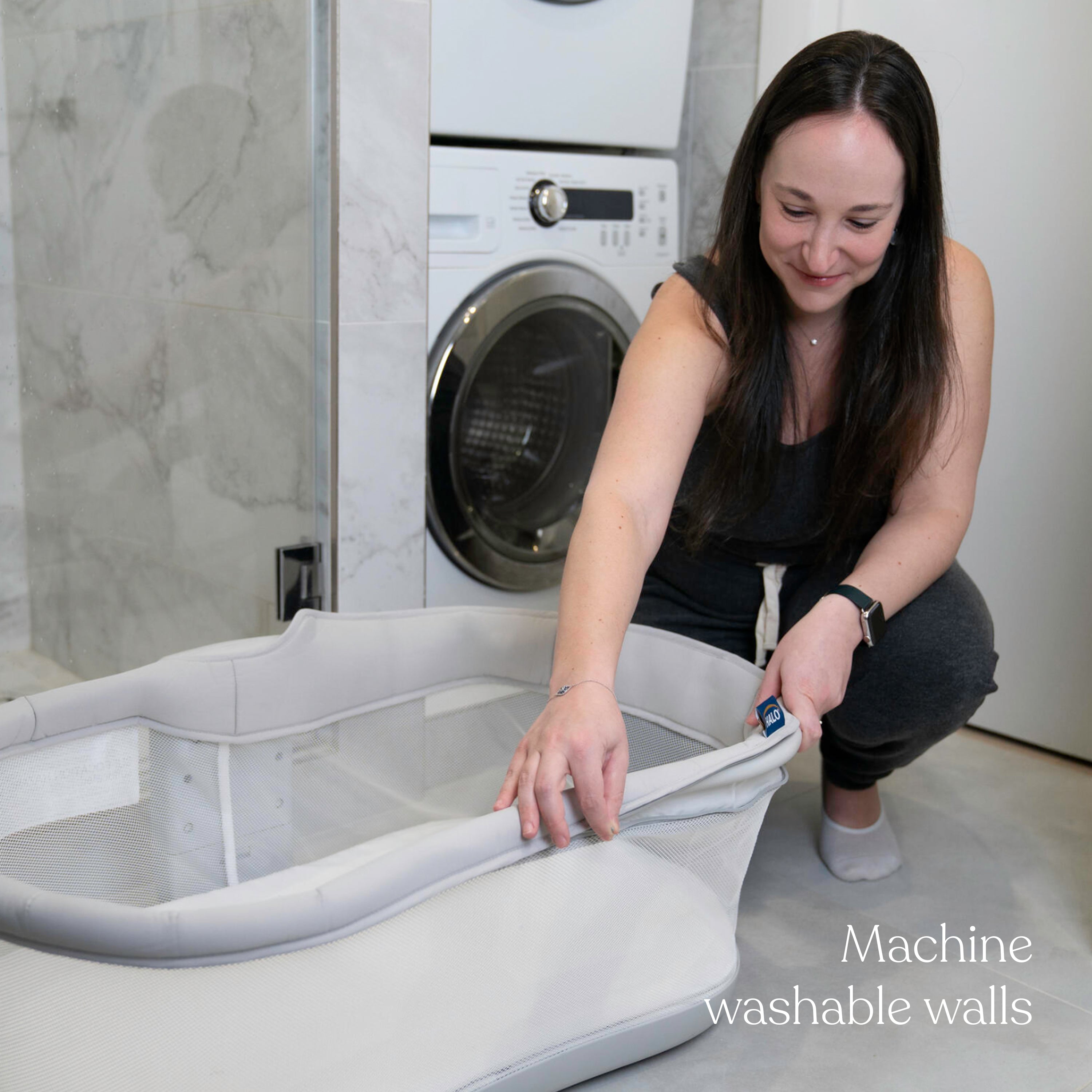 Removable, machine-washable covers make routine cleaning much faster.
Frequently Asked Questions About Cleaning a Bassinet Mattress
How often should I clean a bassinet mattress?
Wash the fitted sheet and any removable waterproof pads every 2–3 days, or immediately after any major spit-up, diaper leak, or spill. Do a full spot-clean, sanitize, and deodorize routine every 1–3 months, or immediately after any major accident that soaks through the cover. If your baby is sick with a stomach bug or respiratory infection, do a full sanitizing clean as soon as they recover to eliminate lingering germs.
Can I machine-wash a bassinet mattress?
Only removable, manufacturer-approved covers and waterproof pads can go in the washing machine—never put the foam mattress core in the washer, as the agitation and excess water will break down the foam, warp its shape, and create mold pockets inside the material that you cannot see or remove. Always air dry machine-washed covers completely before putting them back on the mattress to avoid trapping moisture.
What is the safest cleaner for a bassinet mattress?
The safest, most effective cleaners for a bassinet mattress are mild, fragrance-free baby-safe liquid detergent, unscented white distilled vinegar, and baking soda. These non-toxic options kill common bacteria, eliminate odors, and lift stains without leaving harsh chemical residues that can irritate your baby’s sensitive skin. Avoid bleach, ammonia, abrasive scrubbers, and harsh disinfectants unless specifically recommended by the mattress manufacturer.
How do I remove urine odor from a bassinet mattress?
Blot up as much excess urine as possible with clean, dry towels immediately after the accident—don’t rub, as that spreads the urine deeper into the foam. Mist the stained area lightly with a 2:1 mix of water and white vinegar, let sit for 10 minutes to neutralize the ammonia that causes odor, then blot dry. Sprinkle a thin layer of baking soda over the area, let sit for 2–3 hours, then vacuum thoroughly. If the odor persists after one full cleaning cycle, repeat the process, or use a baby-safe enzyme cleaner tested on a hidden area first.
When should I replace a bassinet mattress?
Replace your bassinet mattress if it has persistent mold that won’t come off with cleaning, deep indentations that don’t rebound when pressed, torn or broken foam, or a lingering sour odor that remains after multiple deep cleans. Most bassinet mattresses last 1–2 years with proper care, but you should replace it immediately if it no longer feels firm to the touch, as a soft sleep surface increases the risk of suffocation for newborns. Also, if you’re borrowing a used bassinet mattress, replace it even if it looks clean, as you can’t be sure of its full cleaning history or if it has hidden mold or bacteria.
Can I use essential oils to deodorize my bassinet mattress?
No, avoid essential oils entirely, as many are toxic to infants and can cause respiratory irritation, skin reactions, or hormonal disruption even in small amounts. Stick to baking soda for deodorizing, which is non-toxic, fragrance-free, and just as effective at absorbing lingering odors.
A clean, firm bassinet mattress is a core part of safe infant sleep, per guidance from pediatric health authorities, and keeping it free of excess moisture and debris reduces irritation risks for newborns, especially if you frequently sleep with wet hair and want to avoid transferring dampness to your baby's sleep area.
 Common questions answered to simplify your cleaning routine.
Conclusion
Cleaning a bassinet mattress doesn’t have to be a time-consuming or risky chore. By following gentle, step-by-step methods, avoiding excess moisture, and sticking to a simple maintenance routine, you can keep your baby’s sleep surface safe, fresh, and comfortable for their entire time in the bassinet. The most critical rules to remember are: always check the manufacturer’s care label first, never soak the foam core, and let the mattress dry completely before reassembling. Have a go-to stain-removal trick that works for your family? Share it in the comments below to help other caregivers. For more evidence-based baby sleep and care guidance to keep your little one healthy, browse our full library of resources.
Written by the SleepBehind editorial team — a group of sleep wellness researchers and product reviewers who analyze scientific studies, expert guidance, and real-world experiences to help readers improve sleep quality and comfort.