
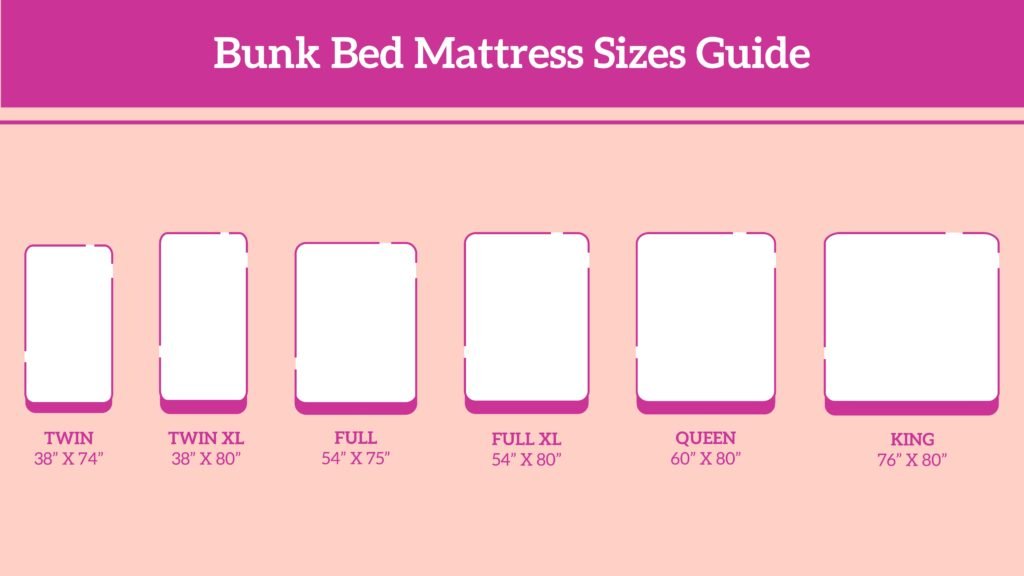
After fitting bunk bed mattresses for more than 30 family homes, dorm rooms, and vacation rentals over 8 years, I’ve found the #1 mistake buyers make is assuming all bunk beds fit standard twin mattresses. Non-standard frames, thickness limits, and safety requirements make picking the right size far more nuanced than a simple one-size-fits-all answer. This guide breaks down exact dimensions, measurement steps, safety rules, and real-world tips to help you choose a mattress that fits perfectly, stays safe, and lasts for years.
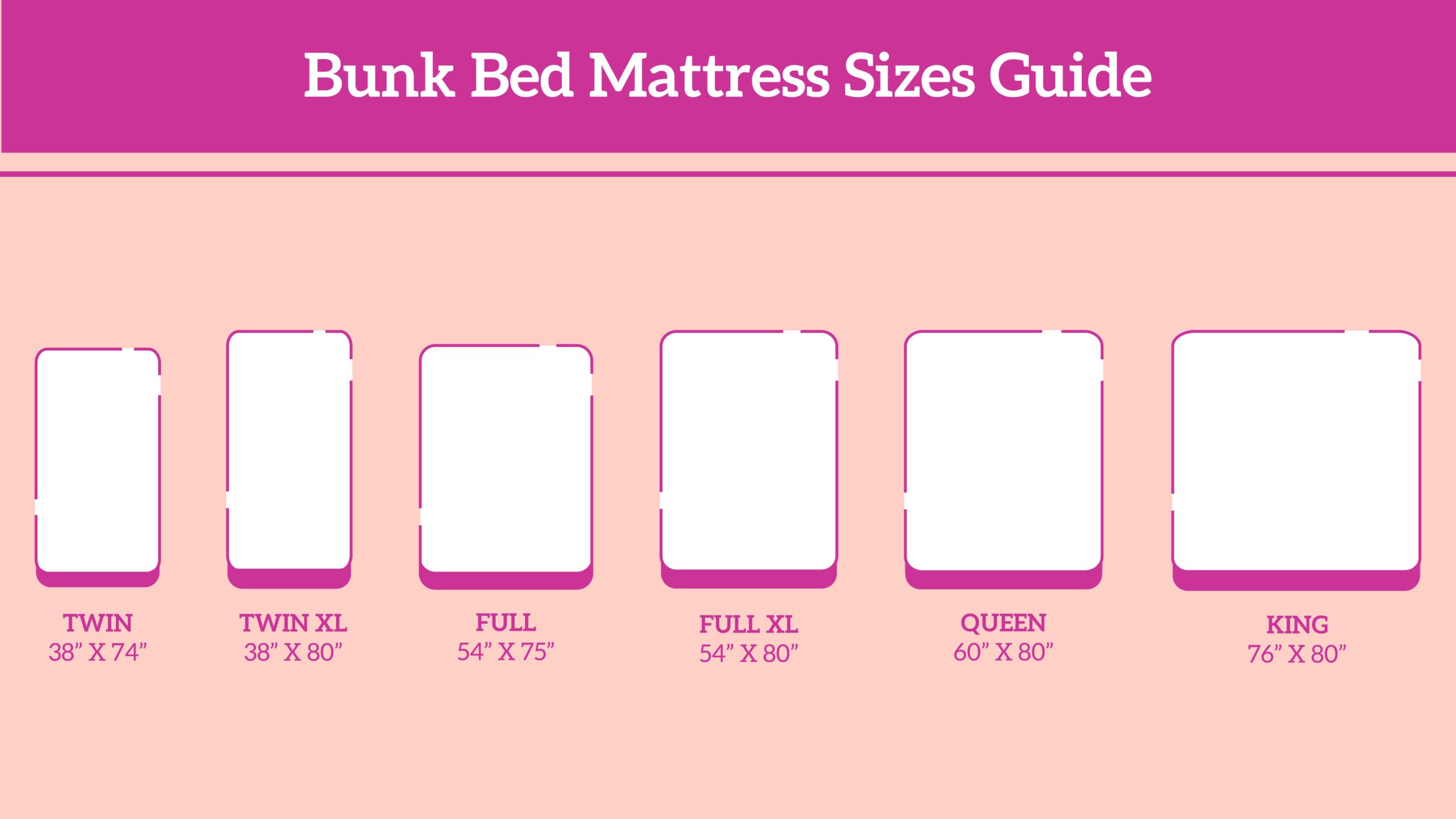
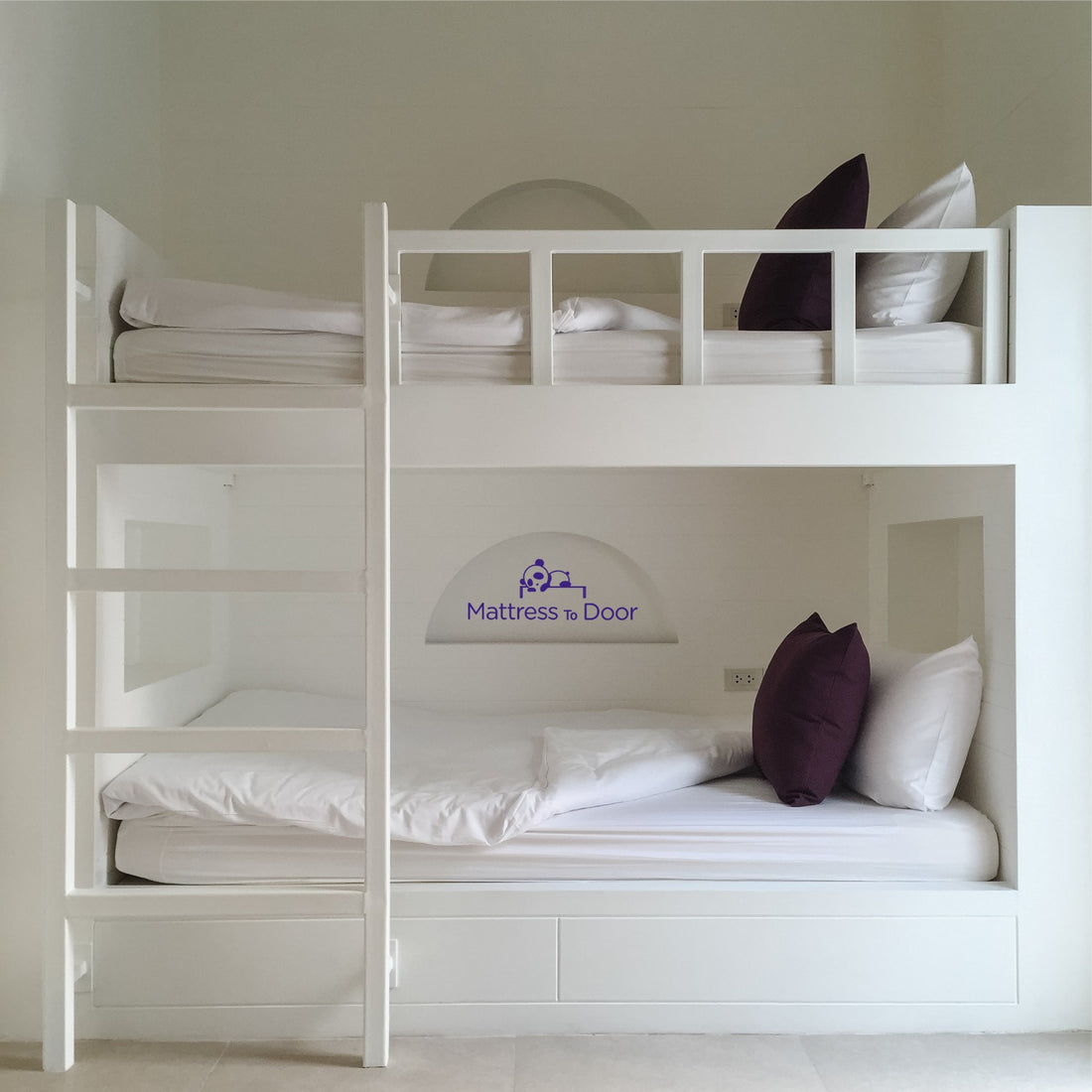 Side-by-side comparison of standard twin and twin XL mattresses, the two most common sizes for bunk beds.
Source: mattresstodoor.com
Side-by-side comparison of standard twin and twin XL mattresses, the two most common sizes for bunk beds.
Source: mattresstodoor.com
Standard Bunk Bed Mattress Sizes
Nearly all mass-produced bunk beds are designed for standard North American mattress sizes, with minor variations for custom or antique frames. The table below outlines the most common sizes and their typical bunk use cases:
| Mattress Size | Dimensions (inches / cm) | Typical Bunk Use | Key Notes |
|---|---|---|---|
| Twin | 38 x 75 / 97 x 191 | Top and bottom bunks for standard stacked frames, kids’ rooms, dorms | Fits 90% of mass-produced bunk beds; the most common bunk mattress size |
| Twin XL | 38 x 80 / 97 x 203 | Top or bottom bunks for taller teens/adults, loft beds | Adds 5 inches of legroom vs standard twin; confirm frame length before purchasing |
| Full (Double) | 53 x 75 / 135 x 191 | Bottom bunks only for wide-frame, L-shaped, or custom bunk sets | Never fits standard stacked top bunks; check inner frame width for clearance |
| Custom Sizes | Varies | Antique, custom-built, or RV bunk beds | Ordered directly from mattress retailers for an extra $50–$100 fee; double-check measurements before ordering |
When shoppers ask what size mattress are bunk beds, the short answer is almost always twin or twin XL for standard ready-made frames. For custom or vintage beds, always measure the frame first, as dimensions often deviate from standard sizes. You can also read our guide on how to cut a mattress topper.
How to Measure Your Bunk Bed Frame for a Perfect Fit
Measuring incorrectly is the top cause of returns for bunk bed mattresses. Follow this step-by-step process to get exact dimensions, and avoid common measurement errors:
- Measure inner sleep platform width: Place your tape measure across the inside of the frame’s side rails, slat to slat, to get the exact space the mattress will sit in. Do not measure the outer edge of the rails, as overhangs do not count toward mattress fit.
- Measure inner length: Measure from the inside of the headboard/footboard (or end panel) to the opposite inside edge, to avoid counting the thickness of the end panels in your measurement.
- Check height clearance for top bunks/lofts: Measure from the top of the mattress support slats to the lowest overhead fixture (ceiling, light, fan). Subtract 6–8 inches from this total to account for mattress thickness and sitting headroom — you should have at least 6 inches of space between the top of the mattress and the ceiling when sitting up.
- Verify guardrail height: Measure from the top of the mattress support slats to the top of the guardrail. Per U.S. Consumer Product Safety Commission (CPSC) bunk bed safety standards, this must be at least 5 inches above the final mattress surface to prevent rollouts.
- Check slat spacing and weight limits: If your frame’s slats are spaced more than 3 inches apart, you may need a mattress with a built-in rigid base, or add slat covers to prevent sag. Also confirm the frame’s total weight limit to ensure your chosen mattress (especially thick hybrids) won’t exceed it.
 Measuring the inner slat-to-slat width of a bunk bed frame to ensure a proper mattress fit.
Source: eachnight.com
Measuring the inner slat-to-slat width of a bunk bed frame to ensure a proper mattress fit.
Source: eachnight.com
Safe Mattress Thickness Limits for Top and Bottom Bunks
Mattress thickness is just as important as size for bunk bed safety, especially for top bunks. Per current CPSC guidelines, top bunk mattresses should be no more than 6 inches thick for standard frames, with a maximum of 8 inches only if your frame manufacturer explicitly approves thicker options.
Thickness impacts safety in three key ways:
- A mattress that is too thick reduces the guardrail’s height above the sleep surface. For example, a 10-inch mattress on a frame with a 12-inch guardrail will only leave 2 inches of rail above the mattress, far below the 5-inch minimum required to prevent rollouts.
- Ultra-plush, thick mattresses have more give, increasing the risk of rolling over the rail during sleep.
- Excess thickness reduces headroom, making it difficult to sit up safely on the top bunk, and can make climbing the ladder awkward or unstable.
Bottom bunks have far more flexibility, with most frames accommodating 8–12 inch thick mattresses for extra comfort. For loft beds (single-tier elevated frames), follow the same 6–8 inch thickness limit as top bunks, as they carry the same fall risk.
A common mistake I see buyers make is purchasing a thick, plush mattress for a kid’s top bunk assuming it will be more comfortable, only to find the guardrail is too low and the mattress has to be returned. Always verify thickness limits before purchasing, even if the mattress is marked as "twin size".
 Comparison of guardrail height above a 6-inch (safe) vs 10-inch (unsafe) top bunk mattress.
Source: bedinabox.com
Comparison of guardrail height above a 6-inch (safe) vs 10-inch (unsafe) top bunk mattress.
Source: bedinabox.com
Best Mattress Types for Bunk Beds
Not all mattresses are suitable for bunk beds, as weight, thickness, and support needs vary by bunk position. Below are the most common types, with pros, cons, and ideal use cases:
- High-density polyfoam (4–8 inches thick): Lightweight, affordable, and conforms well to slat supports without sagging. This is the top pick for kids’ top bunks and guest room bunks, as it meets low thickness limits and is easy to lift when changing sheets. The main downside is limited pressure relief for heavier adult sleepers.
- Memory foam (5–8 inches thick): Offers excellent pressure relief and motion isolation, making it ideal for bottom bunks used by teens or adults, or for light sleepers on top bunks who want to avoid feeling movement from the bottom bunk. Look for gel-infused models if you sleep hot, as standard memory foam retains heat. Avoid pillow-top or Euro-top memory foam models, as their extra padding adds unnecessary thickness.
- Hybrid (foam + coils, 6–10 inches thick): Combines the support of coils with the comfort of foam, making it a great choice for adult bottom bunks. Hybrids have better airflow than all-foam models, but they are heavier, so confirm your frame’s weight limit before purchasing. Only opt for low-profile hybrid models for top bunks, and ensure total thickness stays under the 6–8 inch limit.
- Low-profile innerspring (5–8 inches thick): An affordable, supportive option for bottom bunks, but opt for models designed specifically for bunk beds, as standard tall innerspring mattresses often exceed thickness limits.
Avoid thick pillow-top, plush, or adjustable air mattresses for bunk beds, as they almost always exceed safety thickness limits and are too heavy for many frames. If you want extra comfort on a thin base, add a low-profile mattress topper instead, as long as the total thickness of mattress + topper stays within your frame’s limit. Low-profile foam models vary widely in support — foam mattress thickness comparisons can help you pick the right density for your needs.
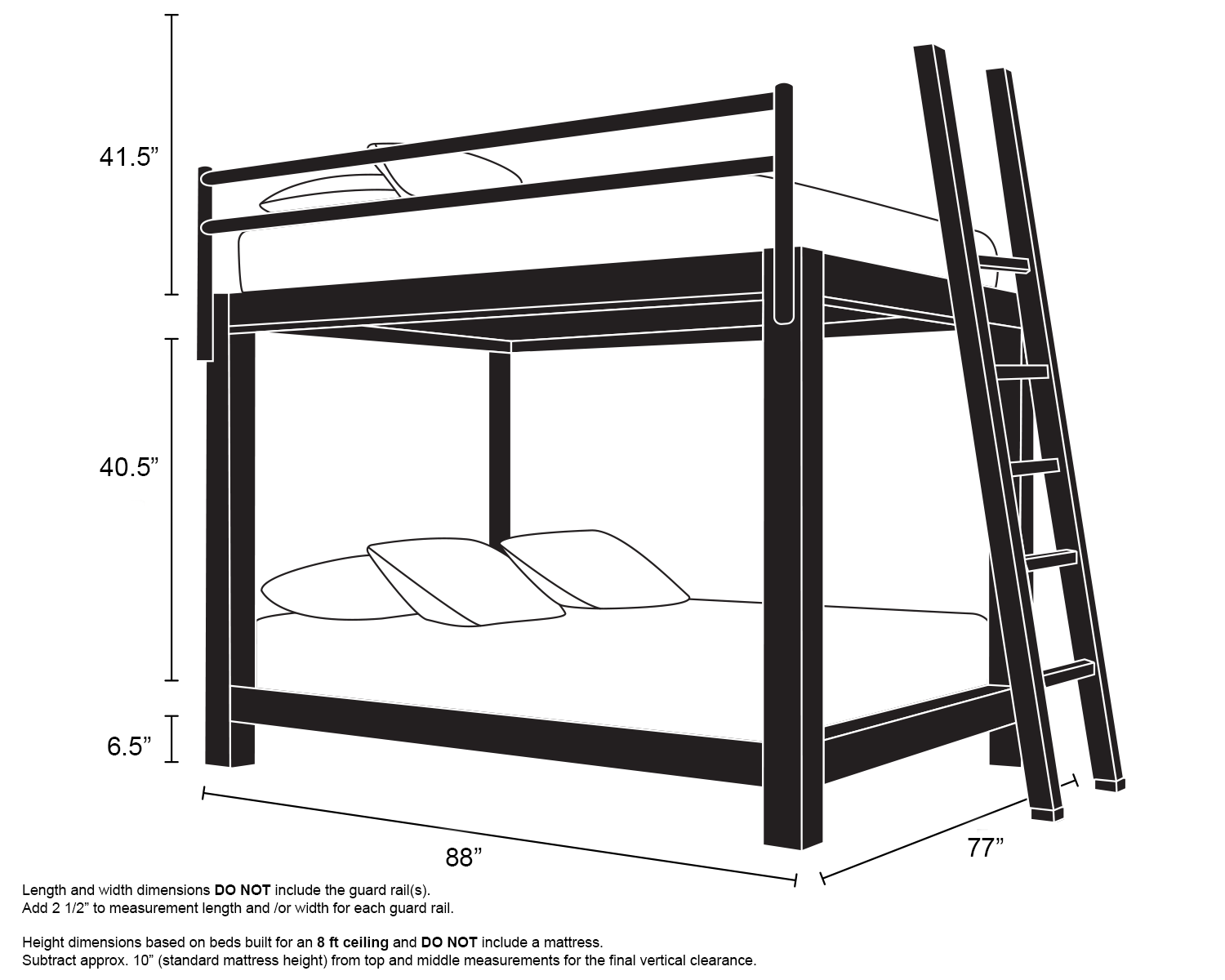 Low-profile foam and hybrid mattresses designed to meet bunk bed thickness limits.
Source: adultbunkbeds.com
Low-profile foam and hybrid mattresses designed to meet bunk bed thickness limits.
Source: adultbunkbeds.com
Key Buying Tips to Avoid Costly Mistakes
Before you purchase a bunk bed mattress, run through this checklist to avoid common, expensive errors:
- Confirm the inner frame size first: Even standard twin frames can vary by up to 1 inch in width, so a 38-inch mattress may be tight on a 37-inch inner frame, especially if you use a thick mattress protector.
- Verify max thickness for the top bunk: Never assume a mattress fits just because it’s marked as "twin size" — always check the manufacturer’s thickness limit for your specific frame.
- Prioritize a trial period and return policy: Bunk bed mattresses are often costly to return if they don’t fit, so opt for models with at least a 30-day free trial and free return shipping.
- Add a non-slip base: Place a non-slip rubber mat between the mattress and the frame’s support slats to prevent sliding when climbing the ladder, or opt for a mattress with built-in non-slip bottom grooves.
- Pair with a washable protector: Bunk beds are prone to spills, dust, and allergens, so a waterproof, washable mattress protector will extend your mattress’s lifespan by 2–3 years. Follow proper cleaning steps to avoid mold and stain buildup.
- Confirm weight limits: Thick hybrid mattresses can weigh 50+ pounds, so ensure your frame’s weight limit can support both the mattress and the sleeper.
If you have a non-standard antique or custom frame, you can order a custom-cut mattress, or carefully trim a standard topper to size using proper cutting techniques. Always measure twice before ordering custom products, as they are rarely returnable.
 Quick checklist of key specs to verify before purchasing a bunk bed mattress.
Source: casakids.com
Quick checklist of key specs to verify before purchasing a bunk bed mattress.
Source: casakids.com
Bunk Bed Mattress Care and Maintenance
Bunk bed mattresses often last 5–7 years with proper care, but their thin profile means they are more prone to sag than standard thick mattresses. Follow these tips to extend their lifespan:
- Rotate the mattress 180 degrees every 3–6 months to distribute wear evenly, especially for bottom bunks used regularly.
- Vacuum the mattress surface every 2–3 months to remove dust, dead skin, and allergens that can break down foam over time.
- Use a breathable mattress protector to prevent stains, spills, and moisture buildup, which can cause mold and foam degradation.
- Inspect the frame’s slats and supports yearly for cracks, bends, or loose screws, as a damaged frame can cause premature mattress sag.
- Replace top bunk mattresses as soon as they show signs of sag or loss of support, as worn thin mattresses increase fall risk. If you use a mattress topper for extra comfort, learn reviving flattened toppers to extend its lifespan instead of replacing it early.
For minor topper damage like small tears or splits, learn fixing a damaged topper to avoid replacing the entire topper prematurely. Pair your new mattress with easy-care bamboo bedding, and follow bamboo pillow care tips to keep pillows fresh between washes.
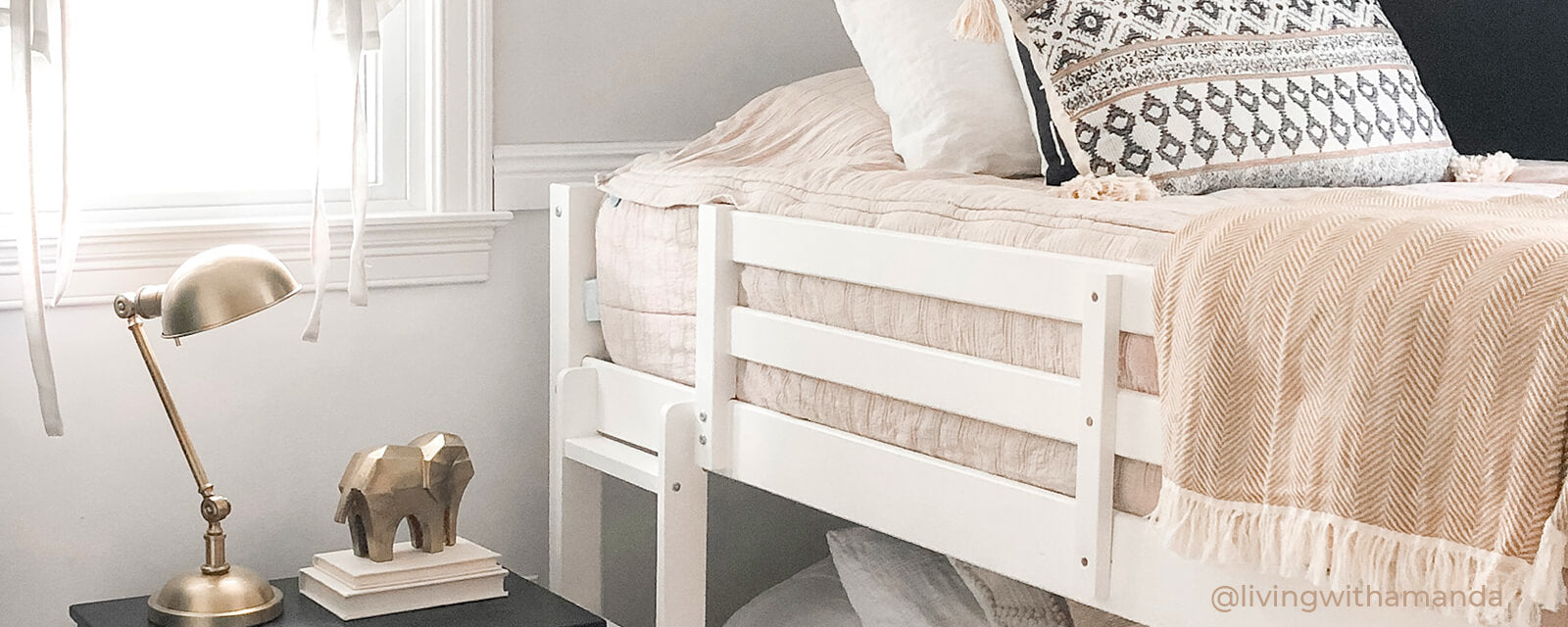
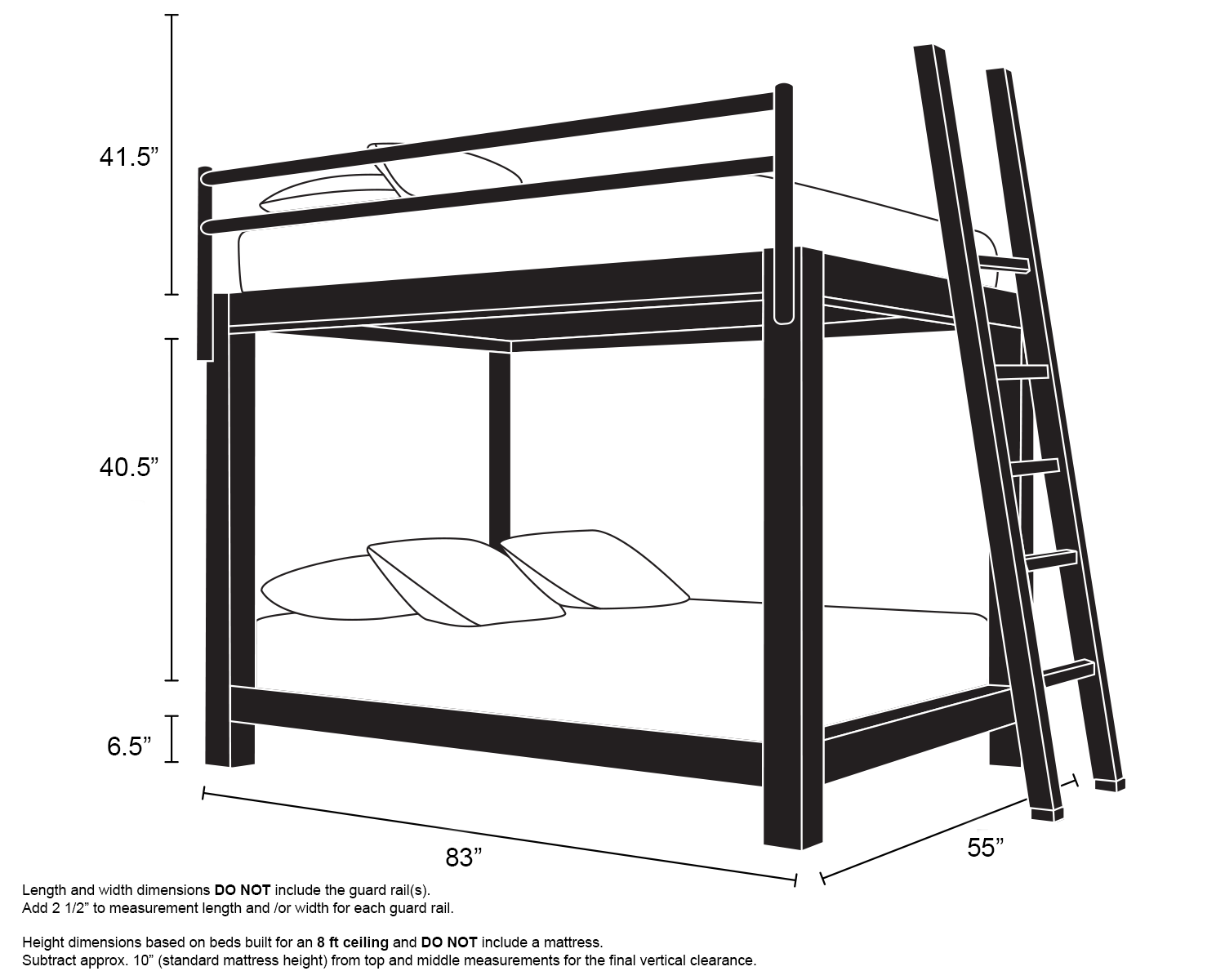 Standard twin foam mattresses installed on a stacked wooden bunk bed, ideal for kids and teen sleepers.
Source: adultbunkbeds.com
Standard twin foam mattresses installed on a stacked wooden bunk bed, ideal for kids and teen sleepers.
Source: adultbunkbeds.com
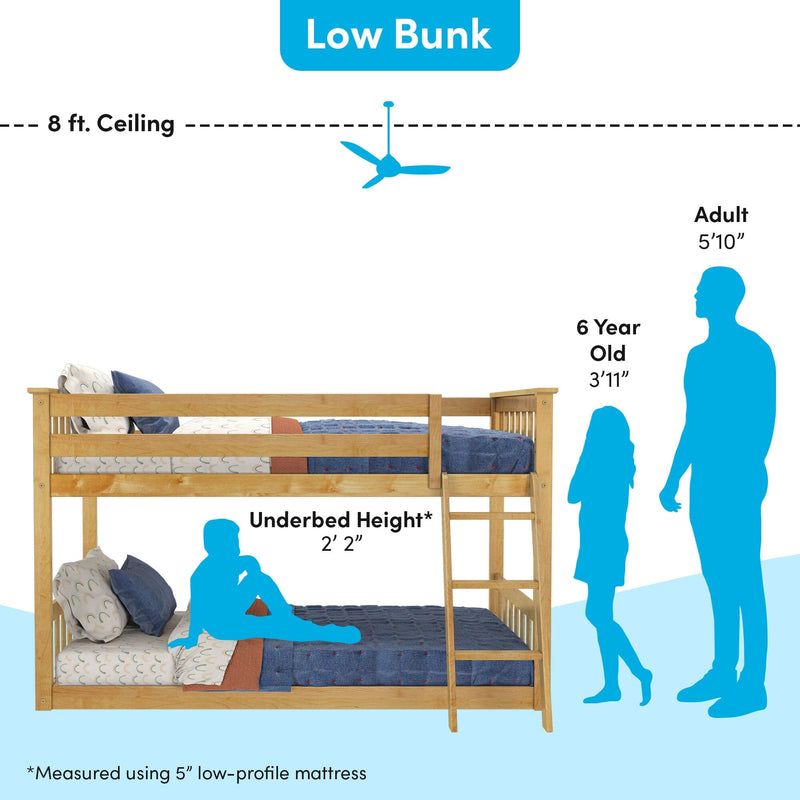 Rotating a thin foam top bunk mattress every 3-6 months to prevent sag and extend its lifespan.
Source: maxandlily.com
Rotating a thin foam top bunk mattress every 3-6 months to prevent sag and extend its lifespan.
Source: maxandlily.com
Frequently Asked Questions
What is the most common mattress size for bunk beds?
Twin (38 x 75 inches) is the standard for 90% of mass-produced stacked bunk beds and loft beds. Twin XL (38 x 80 inches) is a close second for taller teen or adult sleepers who need extra legroom.
Can I use a full-size mattress on a bunk bed?
Full (53 x 75 inches) mattresses only fit the bottom bunk of wide-frame, L-shaped, or custom bunk sets, never the top bunk of standard stacked frames. Always confirm your frame’s inner width before purchasing, as some bottom bunks are only sized for twins.
How thick should a top bunk mattress be?
Per CPSC safety guidelines, top bunk mattresses should be no more than 6 inches thick for standard frames, with a maximum of 8 inches only if your frame manufacturer explicitly approves thicker options. Thinner mattresses ensure guardrails sit at the required 5-inch height above the sleep surface to prevent rollouts.
Are twin XL mattresses suitable for bunk beds?
Twin XL mattresses fit most loft beds and taller bunk frames, but you must measure your frame’s inner length first: standard twin frames are 75 inches long, so a 80-inch twin XL will stick out if the frame is not designed for it.
What mattress type is best for a top bunk?
Low-profile high-density polyfoam (4–6 inches thick) is the top pick: it’s lightweight, affordable, conforms to slat supports, and meets safety thickness limits. Thin gel-infused memory foam is a good alternative for sleepers who want extra pressure relief, as long as it stays under the 6–8 inch thickness cap.
Can I put a queen mattress on a bunk bed?
Queen (60 x 80 inches) mattresses only fit custom wide-frame bunk beds designed for adult use, not standard stacked kids’ bunks. Even for custom frames, confirm the inner width and weight limit before purchasing, as queen mattresses are significantly heavier than twin sizes.
Do bunk bed mattresses need to be the same size?
No. Many families use a thinner twin on the top bunk for kids, and a twin XL or full on the bottom bunk for teens or adult guests, as long as each mattress fits its respective frame’s dimensions and thickness limits.
How do I prevent a top bunk mattress from sliding?
Use a non-slip rubber mat between the mattress and the frame’s support slats, or opt for a mattress with built-in non-slip bottom grooves. For extra security, you can attach adjustable straps to the mattress corners and frame rails, as long as they don’t damage the mattress material.
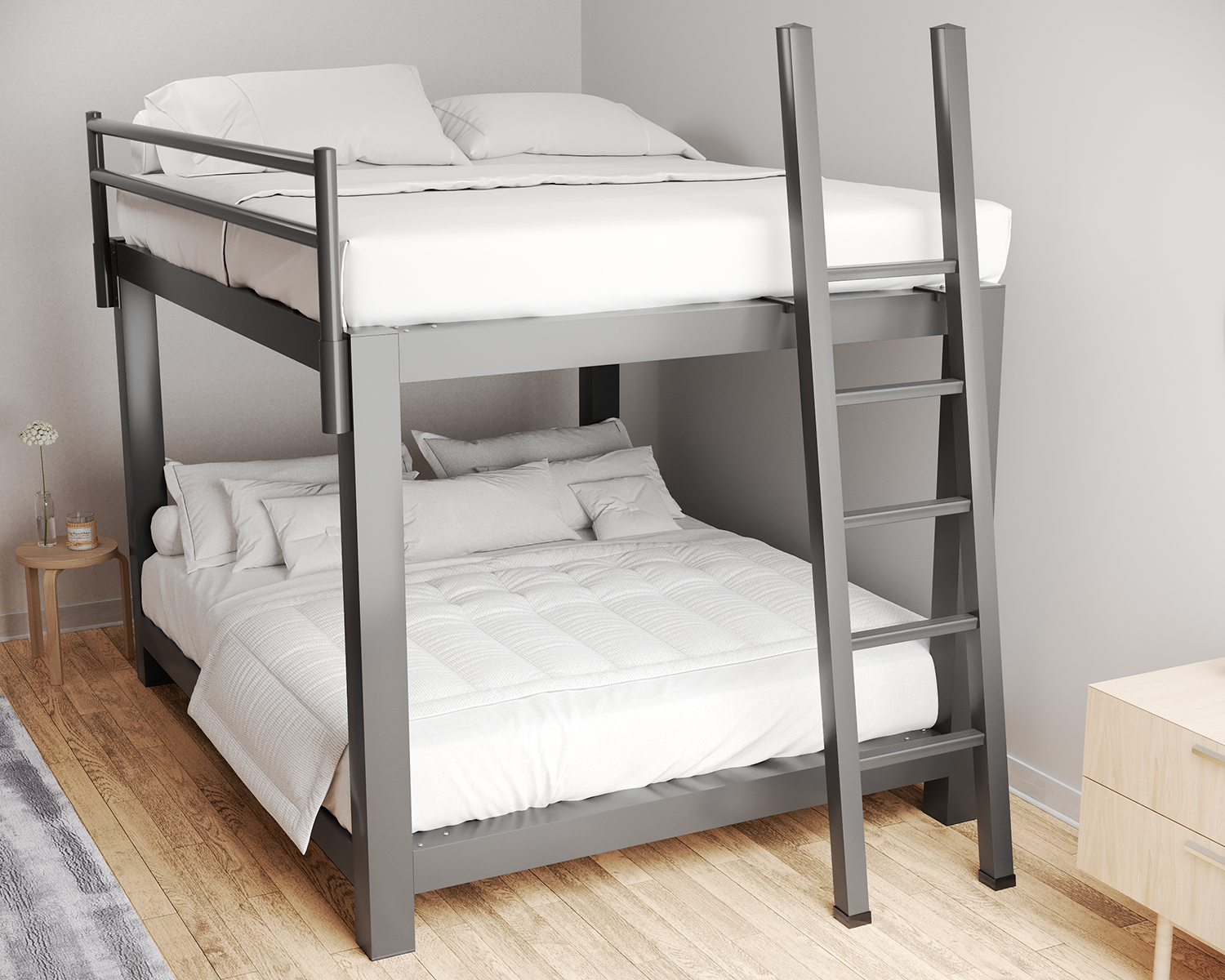 Commonly asked questions about bunk bed mattress sizing, fit, and safety.
Source: adultbunkbeds.com
Commonly asked questions about bunk bed mattress sizing, fit, and safety.
Source: adultbunkbeds.com
Final Thoughts
Picking the right bunk bed mattress comes down to three core rules: match the mattress size to your frame’s inner dimensions, stay within the frame’s max thickness limit for safety, and choose a type that fits the sleeper’s needs. For 90% of standard stacked bunk beds and loft beds, a twin or twin XL mattress is the correct size, with a 4–6 inch thick low-profile foam model ideal for top bunks to meet CPSC safety requirements. Bottom bunks can accommodate thicker 8–12 inch hybrid or memory foam options for extra comfort for adult sleepers. Always measure your frame’s inner slat-to-slat width and length, check guardrail height and headroom clearance, and confirm your frame’s weight limit before purchasing. Pair your new mattress with a washable protector and easy-care bedding to keep it fresh for years. Ready to find the perfect fit? Grab a tape measure, check your frame’s specs today, and shop for a low-profile bunk mattress with a 30-day risk-free trial to test comfort and fit before committing.
Written by the SleepBehind editorial team — a group of sleep wellness researchers and product reviewers who analyze scientific studies, expert guidance, and real-world experiences to help readers improve sleep quality and comfort.