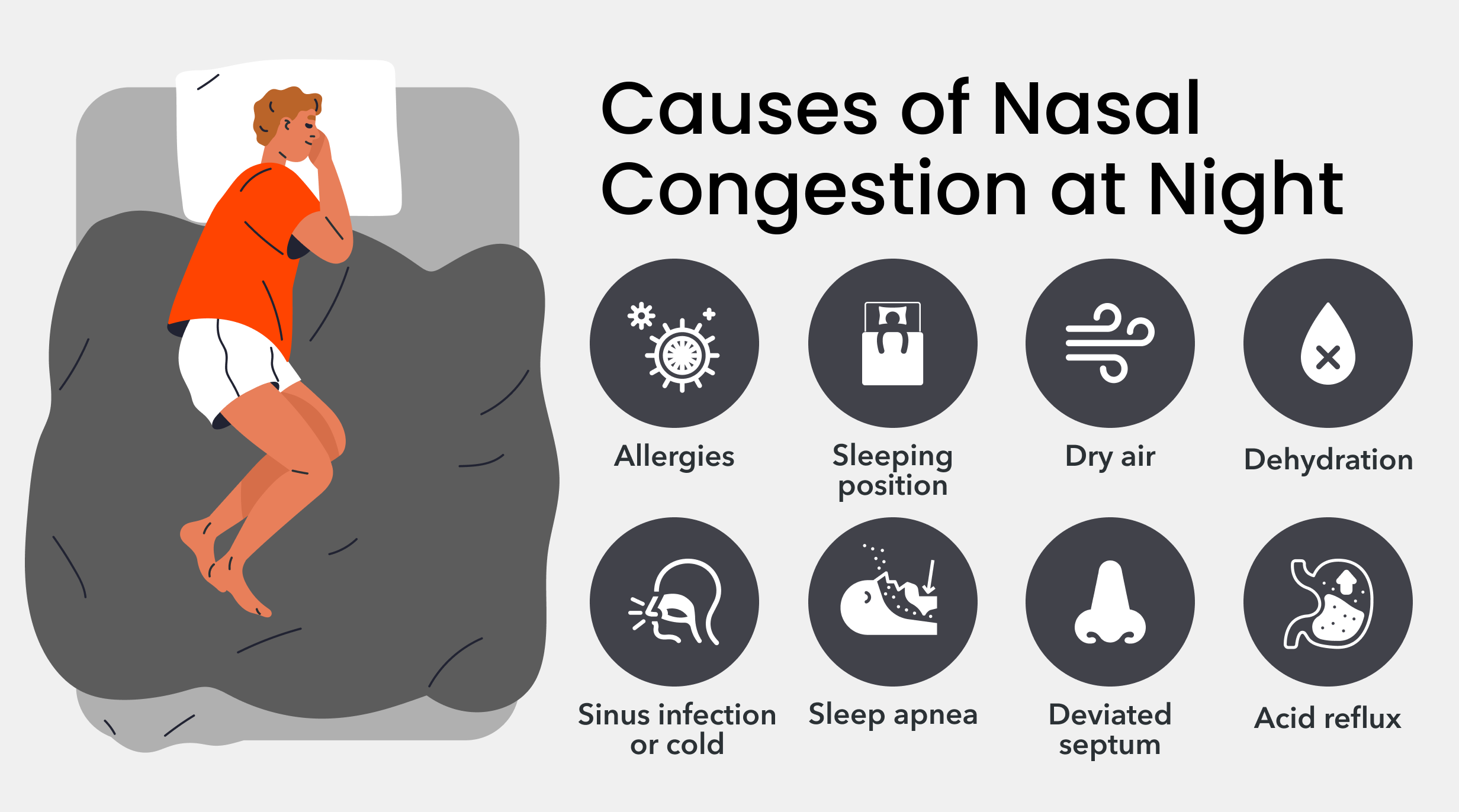
Sinus pressure affects roughly 1 in 7 U.S. adults annually, per CDC data, and is a leading cause of disrupted deep sleep, next-day fatigue, and reduced daily function. When inflamed sinus cavities trap mucus and increase pressure, lying flat worsens symptoms by encouraging mucus pooling and nasal swelling, making it hard to fall asleep and stay asleep through the night. This guide breaks down 9 easy, clinician-aligned relief tips to reduce sinus pressure fast, plus long-term strategies to prevent recurrent nighttime discomfort. All recommendations prioritize safety, avoid unproven hacks, and include clear trade-offs so you can pick the right fixes for your symptoms.
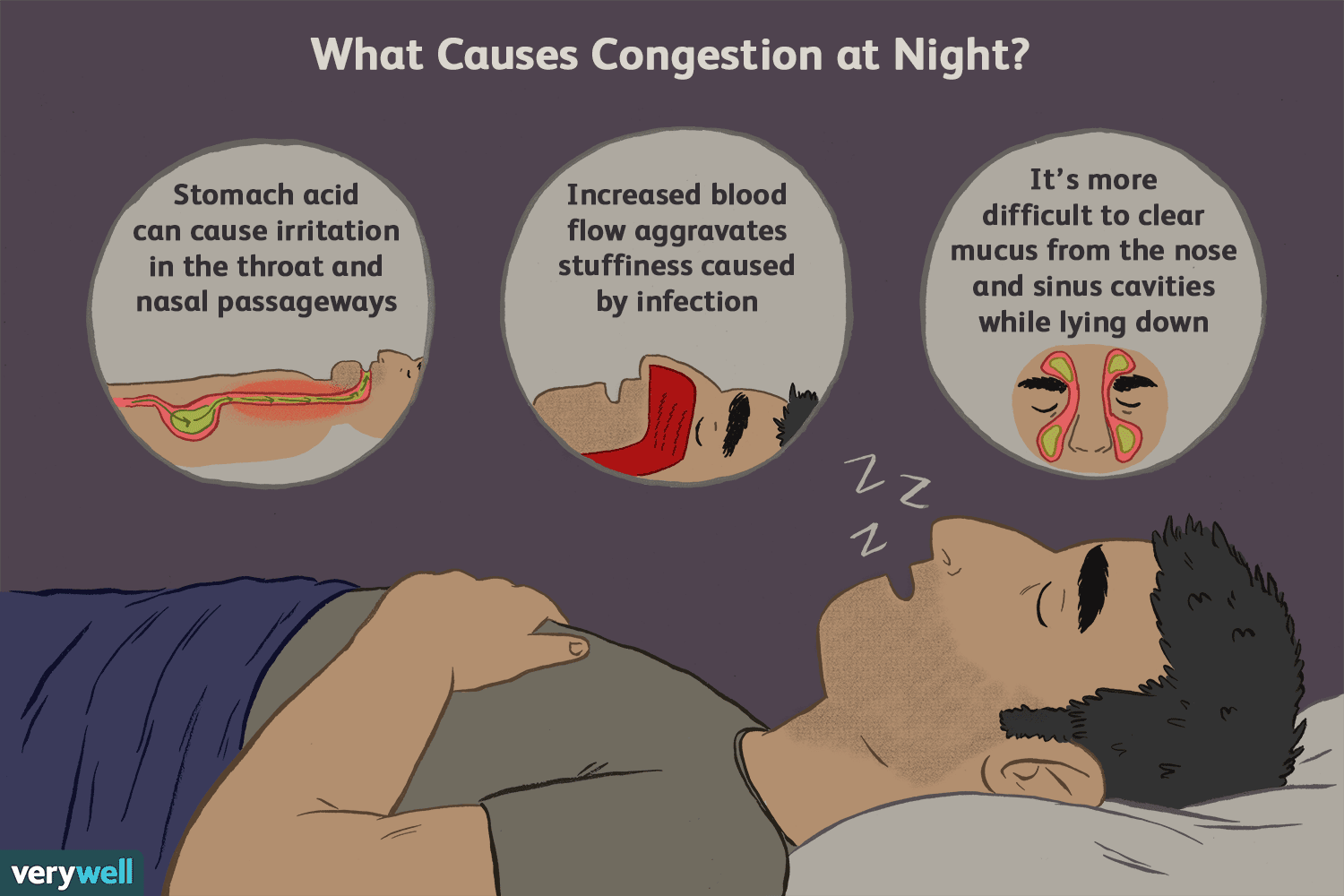
 Inflammation in the sinus cavities traps mucus and increases pressure when lying flat, disrupting sleep.
Source: laylasleep
Inflammation in the sinus cavities traps mucus and increases pressure when lying flat, disrupting sleep.
Source: laylasleep
Why Sinus Pressure Gets Worse At Night
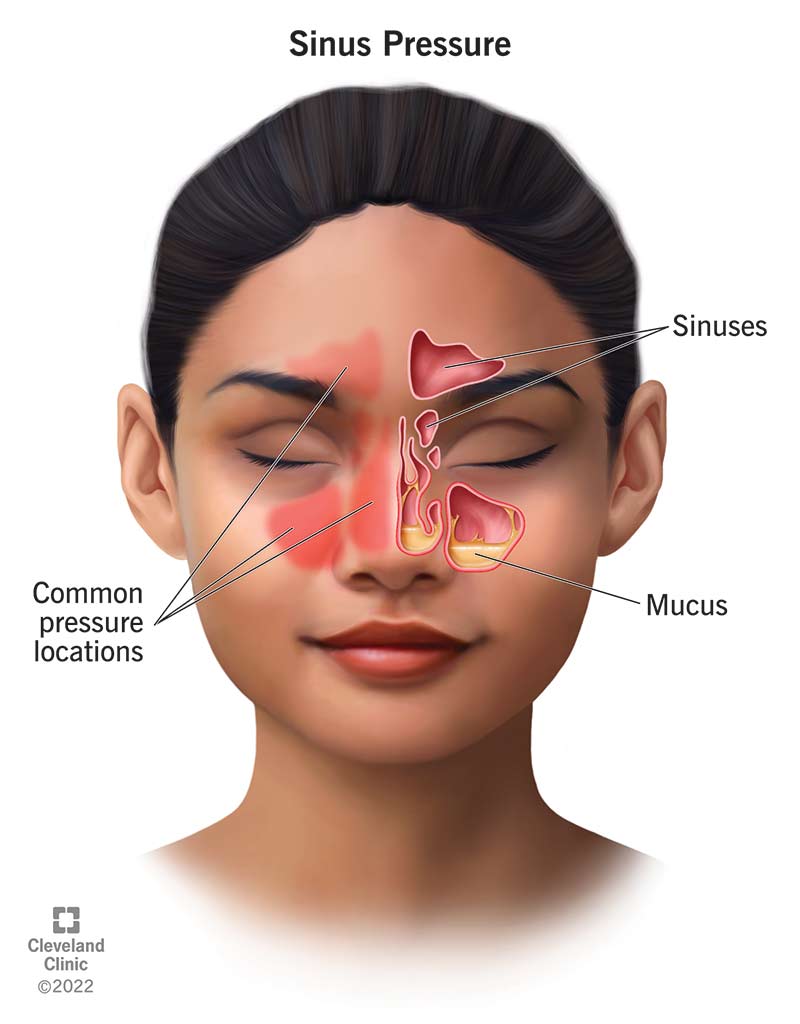
Your sinuses are a network of air-filled cavities in your forehead, cheeks, and nose, lined with tiny hair-like structures called cilia that move mucus out of the nasal passages. When you have a viral infection, allergies, or exposure to irritants like smoke or dry air, the sinus lining becomes inflamed, cilia slow down, and mucus thickens and gets trapped. This trapped mucus increases pressure in the closed cavities, triggering pain, ear fullness, and nasal congestion. Lying flat makes this worse: it increases blood flow to the nasal passages, worsening swelling, and allows mucus to pool instead of draining. Mouth breathing, which many people default to when their nose is blocked, further dries out airways and thickens mucus, creating a cycle of worsening pressure and sleep disruption. Understanding these mechanics makes it easier to pick targeted fixes that address the root of your discomfort, not just mask symptoms. You can also read our guide on brownmed imak eye pillow review.
Quick Pre-Bed Routine For Fast Relief
On nights when sinus pressure feels overwhelming, a 10-minute pre-sleep routine can reduce symptoms fast by addressing the three core drivers of nighttime discomfort: thick mucus, inflammation, and poor drainage. Follow these steps in order for best results:
- Use a saline nasal rinse 10–20 minutes before bed to flush out allergens and thin mucus.
- Apply a warm compress to your forehead, cheeks, and nose for 5–10 minutes to reduce inflammation and loosen mucus.
- Take any prescribed or over-the-counter sinus medication as directed by your clinician.
- Elevate your head 30–45 degrees with a wedge pillow or adjustable bed base.
- Turn on a cool-mist humidifier set to 40–50% relative humidity to keep airways moist. This routine works because it tackles all three causes of sinus pressure at once, rather than relying on a single fix that may only provide partial relief.
 A consistent pre-sleep routine addressing mucus, inflammation, and position reduces nighttime sinus discomfort.
Source: everydayhealth
A consistent pre-sleep routine addressing mucus, inflammation, and position reduces nighttime sinus discomfort.
Source: everydayhealth
9 Evidence-Backed Tips To Sleep With Sinus Pressure Tonight
These actionable, low-risk fixes address the root causes of nighttime sinus discomfort, and work for most people with acute or mild chronic sinus pressure.
1. Use A Saline Nasal Rinse 10–20 Minutes Before Bed
Saline irrigation is a safe, first-line fix for sinus congestion, recommended by the American Academy of Otolaryngology for both acute and chronic sinus pressure. It works by flushing out allergens, irritants, and thick mucus from the nasal passages, thinning remaining mucus to improve drainage and reduce pressure. For best results, use a neti pot, squeeze bottle, or saline spray with distilled, sterile, or boiled-cooled water (never tap water, which carries a rare but serious risk of amoebic infection). Lean over a sink, tilt your head to the side, and pour or squeeze the saline into the upper nostril so it drains out the lower one, then repeat on the other side. Avoid tilting your head back, which can push saline into your ear canals. For mild congestion, a pre-made saline spray may be enough; for thicker mucus, a full rinse works better.
2. Apply A Warm Facial Compress For 5–10 Minutes
Heat increases blood flow to the sinus lining, reducing inflammation and loosening thick, sticky mucus that blocks drainage. Use a warm (not hot) compress set to 40–45°C (104–113°F) — a microwavable heat pack or warm, damp washcloth works well. Place it over your forehead, cheeks, and nose for 5–10 minutes, replacing it if it cools down. A common mistake is using boiling water or a compress that’s too hot, which can burn sensitive facial skin and worsen inflammation. For extra relief, add a few drops of eucalyptus oil to the compress (diluted in a carrier oil if you have sensitive skin) for its natural decongestant properties.
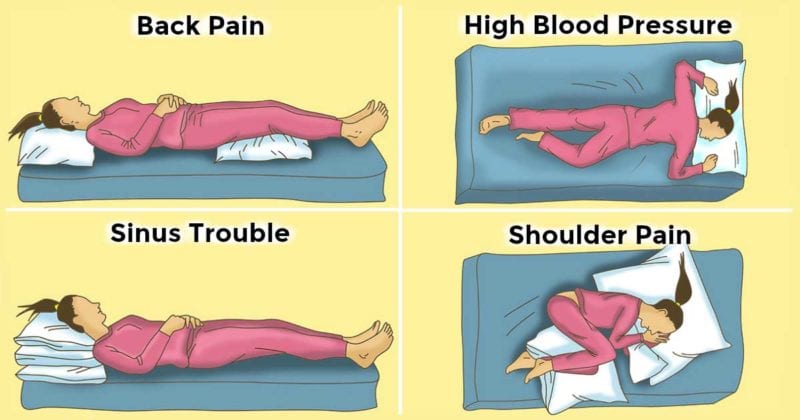
3. Elevate Your Head 30–45 Degrees While Sleeping
Gravity is one of your best tools for reducing nighttime sinus pressure: elevating your head 30–45 degrees prevents mucus from pooling in the sinus cavities, reduces nasal swelling, and improves drainage. The most effective way to do this is with a foam wedge pillow or an adjustable bed base, which maintains a consistent angle without shifting during the night. A common misstep is stacking 2–3 regular pillows, which causes neck strain, leads to slumping during the night, and fails to keep the incline consistent. If your current mattress topper has lost its support and sags, reviving a worn topper can restore its ability to hold a steady, comfortable incline without extra pillows.
 Sleeping at a 30–45 degree incline and on the less congested side aids mucus drainage and reduces pressure.
Source: palmettoentallergy
Sleeping at a 30–45 degree incline and on the less congested side aids mucus drainage and reduces pressure.
Source: palmettoentallergy
4. Use A Cool-Mist Humidifier In Your Bedroom
Dry air, especially in winter or air-conditioned rooms, thickens mucus and irritates the sensitive lining of your nasal passages, worsening sinus pressure and congestion. A cool-mist humidifier adds moisture to the air, keeping mucus thin and nasal tissues hydrated. Aim for 40–50% relative humidity (use a cheap hygrometer to measure levels accurately) — higher humidity can promote mold growth, which will worsen sinus issues. Clean your humidifier daily with soap and water, and change the filter weekly to avoid bacteria and mold buildup, which can be released into the air and trigger congestion. Cool-mist models are safer for homes with children or pets than warm-mist humidifiers, which can cause burns if tipped over.
5. Optimize Your Sleep Position To Aid Drainage
Your sleep position has a direct impact on how well mucus drains from your sinuses. Sleep on the side with less congestion to allow mucus to drain from the more blocked side, reducing pressure and post-nasal drip cough. Avoid stomach sleeping entirely, as pressing your face into the pillow traps mucus and increases pressure. If you prefer sleeping on your back, place a pillow under your arms to help you stay on your side, or use a body pillow to support your side sleeping position. Opt for breathable, washable pillow materials like bamboo, which resist allergen buildup; regular bamboo pillow maintenance keeps them free of dust mites and mold that can worsen sinus pressure.
6. Try Gentle Nasal Support Tools (Strips, Balms)
For drug-free relief, adhesive nasal strips are a safe, effective option for most adults and children over 5. They externally widen the nasal passages, improving airflow and reducing the effort needed to breathe through a congested nose. For a cooling sensation that makes breathing feel easier, apply a small amount of menthol or camphor balm lightly under your nose (never inside the nostrils, which can cause irritation or damage to delicate nasal tissues). If you have sensitive skin, do a patch test on your inner arm 24 hours before using balms near your face to avoid allergic reactions. Note that these tools do not reduce underlying inflammation, so they work best when paired with other fixes like saline rinses or elevation.
7. Use Over-The-Counter Medications Safely (As Directed)
Medications can provide fast, effective relief when used correctly, but misuse can cause side effects or worsen symptoms. Here’s a breakdown of safe options:
- Saline nasal steroid sprays (fluticasone, budesonide): Reduce inflammation over 3–7 days of consistent use, and are safe for long-term use for most people. They are most effective when used daily during allergy season or for chronic sinusitis.
- Oral antihistamines: Work if allergies are the root cause of your sinus pressure. Non-drowsy formulas (loratadine, cetirizine) are best for daytime use, while short-acting sedating antihistamines (diphenhydramine) can help you fall asleep but may cause next-day grogginess.
- Topical decongestant sprays (oxymetazoline): Provide fast relief for severe congestion, but must be limited to 3 consecutive days of use to avoid rebound congestion (rhinitis medicamentosa), a condition where nasal passages swell worse than before when the spray is stopped.
- Oral decongestants (pseudoephedrine): Reduce nasal swelling quickly, but can raise blood pressure and cause insomnia. Avoid them if you have hypertension, and take them 4–6 hours before bed if you use them to minimize sleep disruption. For evidence-based guidance on safe sinus medication use and when to seek care, refer to the American Academy of Otolaryngology–Head and Neck Surgery’s patient resources here. Always talk to your clinician before combining multiple medications, especially if you have underlying health conditions.
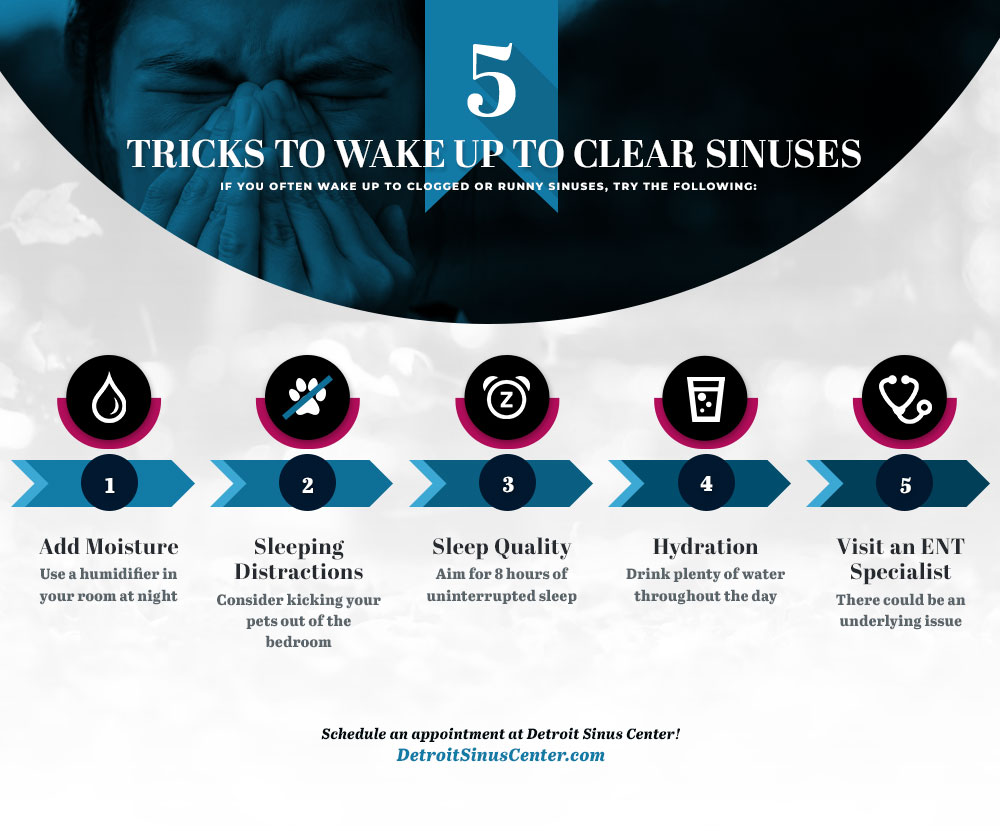 Use sinus medications as directed, and limit topical decongestant sprays to 3 days or less to avoid rebound congestion.
Source: detroitsinuscenter
Use sinus medications as directed, and limit topical decongestant sprays to 3 days or less to avoid rebound congestion.
Source: detroitsinuscenter
8. Reduce Bedroom Irritants That Worsen Congestion
Many people overlook hidden triggers in their sleep environment that make sinus pressure worse. Dust mites, pet dander, mold, strong fragrances, and smoke are common irritants that inflame nasal passages and increase mucus production. To reduce exposure:
- Wash bedding weekly in 60°C (140°F) water to kill dust mites, and use a hypoallergenic mattress protector to prevent allergen penetration. Regular mattress protector hygiene keeps these barriers effective at blocking triggers.
- Avoid plug-in air fresheners, scented candles, and harsh cleaning products in the bedroom, as their fumes can irritate nasal passages.
- Keep pets out of the bed if you have pet dander allergies, and bathe them weekly to reduce dander spread.
- Going to bed with damp hair can promote mold growth on pillows and bedding, a common hidden trigger for nighttime sinus pressure; learn more about sleeping with wet hair risks to avoid this issue.
- Replace old, sagging mattress pads or toppers every 2–3 years, as they can harbor allergens and lose their ability to support consistent head elevation; refer to our guide on replacing old bedding layers for signs it’s time for an upgrade.
 A cool-mist humidifier, clean bedding, and allergen reduction create a sleep-friendly environment for sinus sufferers.
Source: elpasobackclinic
A cool-mist humidifier, clean bedding, and allergen reduction create a sleep-friendly environment for sinus sufferers.
Source: elpasobackclinic
9. Try Gentle, Low-Risk Home Remedies For Mild Discomfort
For mild sinus pressure, low-risk home remedies can provide complementary relief without medication side effects:
- Steam inhalation: Lean over a bowl of hot (not boiling) water, cover your head with a towel, and breathe deeply through your nose for 5–10 minutes. The steam loosens thick mucus and reduces nasal swelling. Keep your face at least 30cm (12 inches) from the water to avoid burns.
- Warm fluids: Drinking warm herbal tea (peppermint, ginger) or broth before bed soothes inflamed nasal passages and thins mucus. Avoid caffeine if you’re sensitive to it, as it can disrupt sleep.
- Spicy foods: Eating a small amount of spicy food (chili, wasabi, horseradish) 2–3 hours before bed can temporarily open nasal passages by stimulating mucus production and reducing swelling. Avoid this remedy if you have acid reflux (GERD), as lying down after spicy food can worsen heartburn and disrupt sleep. These remedies work best when paired with the other tips on this list, and are not a replacement for medical care if you have chronic or severe sinusitis.
 Warm compresses, steam inhalation, and warm fluids are safe, drug-free options for mild sinus discomfort.
Source: nasoneb
Warm compresses, steam inhalation, and warm fluids are safe, drug-free options for mild sinus discomfort.
Source: nasoneb
Common Mistakes To Avoid When Relieving Nighttime Sinus Pressure
Even well-intentioned fixes can backfire if used incorrectly. Avoid these common errors to get the best relief:
- Overusing topical decongestant sprays: Limit use to 3 consecutive days max to avoid rebound congestion (rhinitis medicamentosa), which causes worse nasal swelling when the spray is stopped.
- Stacking too many regular pillows: This causes neck strain and fails to maintain a consistent 30–45 degree incline, leading to slumping and mucus pooling during the night. Use a wedge pillow or adjustable base instead.
- Using tap water for saline rinses: Tap water can contain microorganisms like amoebas that cause rare but serious sinus and nasal infections. Always use distilled, sterile, or boiled-cooled water for rinses.
- Ignoring persistent symptoms: If sinus pressure lasts more than 10 days, is accompanied by fever, or causes severe pain, it may be a sign of bacterial sinusitis or a structural issue that requires medical care.
- Relying on a single fix: Most people need 2–3 complementary strategies (e.g., saline rinse + elevation + humidifier) to see sustained relief, rather than just one adjustment.
Long-Term Strategies To Reduce Recurrent Nighttime Sinus Pressure
If you experience nighttime sinus pressure more than 2–3 times a month, long-term adjustments can reduce the frequency and severity of episodes:
- If allergies are your main trigger, use a HEPA air purifier in your bedroom during peak allergy seasons, and take daily non-drowsy antihistamines as directed by your clinician.
- Schedule a sinus evaluation with an ENT if you have more than 3 sinus infections a year, as structural issues like a deviated septum or nasal polyps may be causing recurrent pressure and congestion.
- Get allergy testing to identify specific triggers (dust mites, pet dander, pollen) and take steps to avoid them in your sleep environment.
- Maintain consistent bedroom humidity between 40–50% year-round to keep nasal tissues hydrated and mucus thin.
- Stick to a nightly pre-sleep sinus care routine even when you feel well, to prevent mild congestion from escalating into painful pressure.
When To See A Doctor
Most cases of sinus pressure resolve with home care within 7–10 days, but you should see a clinician promptly if you experience any of the following red flag symptoms:
- Severe pain or pressure that worsens over 2–3 days
- Fever above 101.3°F (38.5°C)
- Symptoms lasting more than 10 days without improvement
- Vision changes, swelling around the eyes, or severe headache with stiff neck (these can be signs of a serious infection that requires immediate care)
- Repeated sinus infections that disrupt sleep more than once a month A clinician can evaluate you for bacterial sinusitis, structural nasal issues, or chronic allergies, and recommend targeted treatments like prescription nasal sprays, allergy shots, or minor surgical procedures to improve drainage if needed.
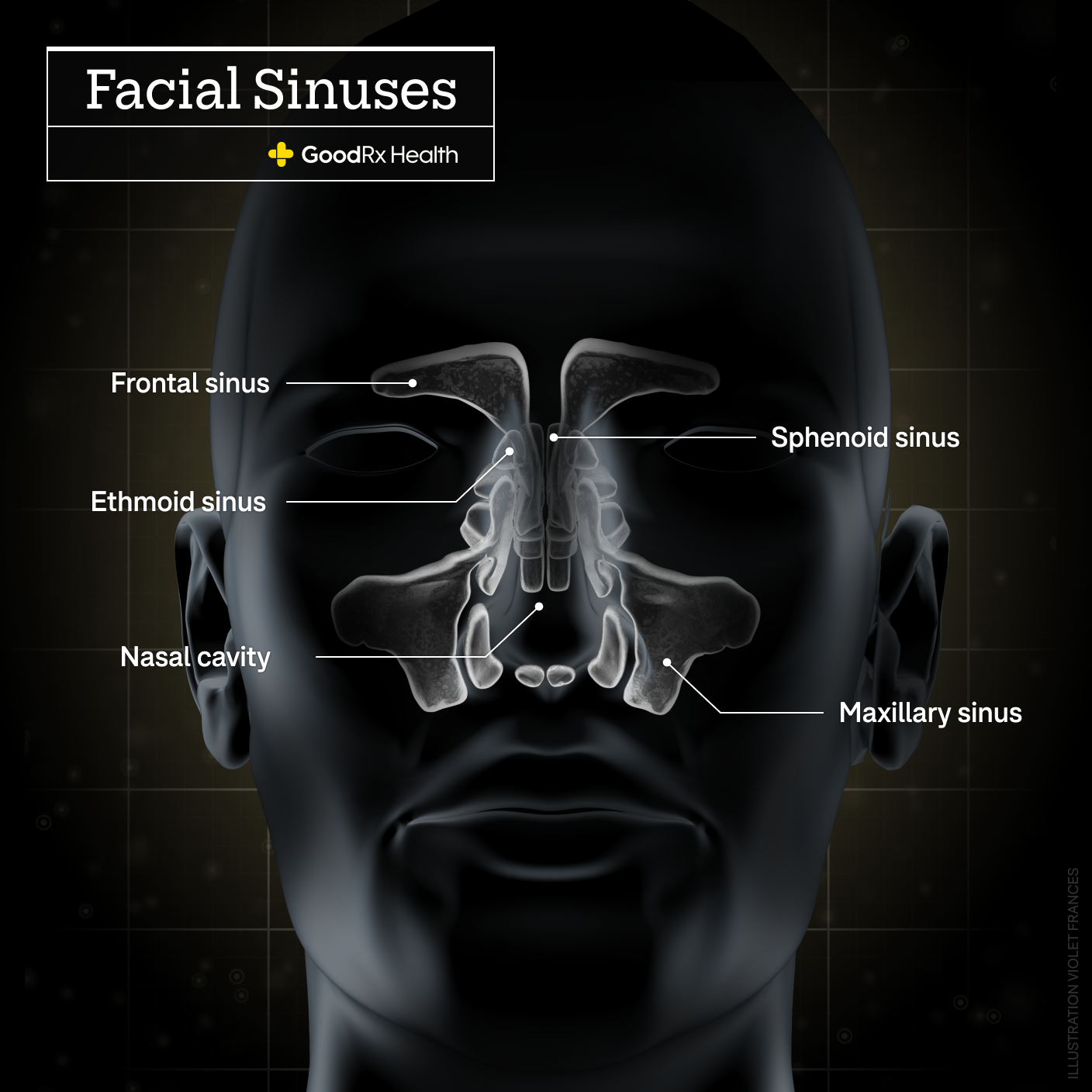 See a clinician if sinus pressure lasts more than 10 days, is accompanied by fever, or causes severe pain.
Source: goodrx
See a clinician if sinus pressure lasts more than 10 days, is accompanied by fever, or causes severe pain.
Source: goodrx
Tips For Kids And Sensitive Sleepers
Children and people with chronic health conditions (asthma, GERD, high blood pressure) need tailored, gentle approaches to avoid side effects from medications:
- For infants under 1 year: Use saline nasal drops and a bulb syringe to clear nasal passages before bed. Avoid all over-the-counter decongestants, as they can cause serious side effects in young children.
- For children ages 1–4: Use only children’s formulations of saline sprays or antihistamines, and only as directed by a pediatrician. A cool-mist humidifier in their room can help, but clean it daily to avoid mold growth.
- For children ages 5–12: Adhesive nasal strips are safe for most kids in this age group, but avoid oral decongestants unless specifically recommended by a pediatrician.
- For people with GERD: Avoid spicy foods before bed, and elevate the head of the bed an extra 5–10 degrees to reduce acid reflux, which can worsen nasal congestion and sinus pressure.
- For people with high blood pressure: Avoid oral decongestants, which can raise blood pressure, and stick to saline rinses, elevation, and nasal steroid sprays as directed by your clinician.
Frequently Asked Questions
How soon will I feel relief from these tips?
Most people notice a reduction in sinus pressure within 1–2 nights of using a combined routine (e.g., saline rinse + head elevation + humidifier). Full improvement may take 3–7 days if you have significant inflammation from a sinus infection or allergies. If you don’t see any improvement after 3 days of consistent use, see a clinician to rule out underlying issues.
Is it safe to use a decongestant spray every night?
No. Topical decongestant sprays (like oxymetazoline) are safe for short-term use only, limited to 3 consecutive days. Using them nightly can cause rebound congestion (rhinitis medicamentosa), a condition where your nasal passages swell more than before when you stop using the spray, leading to worse congestion long-term.
Can allergies cause sinus pressure at night?
Yes. Allergies are one of the most common causes of nighttime sinus pressure. Inhaled allergens like dust mites, pet dander, and pollen inflame the nasal lining, increase mucus production, and worsen congestion when you lie down. Daily allergy medication and allergen reduction in your bedroom can reduce these episodes significantly.
Will a humidifier really help sinus pressure?
Yes. A cool-mist humidifier adds moisture to dry air, which thins mucus and keeps nasal tissues hydrated, reducing irritation and swelling. Maintaining 40–50% relative humidity reduces sinus symptoms in most people with chronic nasal congestion, per clinical guidelines from the American Academy of Otolaryngology. Just be sure to clean your humidifier daily to avoid mold and bacteria growth.
Are saline rinses safe for long-term use?
Yes. Saline rinses are safe for daily, long-term use when done correctly. Always use distilled, sterile, or boiled-cooled water, and clean your neti pot or squeeze bottle thoroughly after each use to avoid bacterial or mold contamination.
Can I sleep on my side with sinus pressure?
Yes, sleeping on the side with less congestion is actually recommended, as it allows mucus to drain from the more blocked side, reducing pressure. Use a pillow between your knees to keep your spine aligned, and consider a body pillow to prevent you from rolling onto your stomach or back during the night.
Will a neti pot help with sinus pressure?
Yes, a neti pot is a common, effective tool for saline irrigation. Just be sure to clean it thoroughly with soap and hot water after each use, and only use distilled, sterile, or boiled-cooled water to avoid infection risk.
How long does it take for sinus pressure to go away?
Viral sinus infections typically resolve in 7–10 days with home care. Allergy-related sinus pressure may improve within a few days of starting antihistamines or avoiding triggers. Bacterial sinusitis may require antibiotics, and symptoms will not improve without medical treatment, so see a clinician if your symptoms last more than 10 days.
Quick Nightly Sinus Relief Checklist
Use this checklist to implement your routine tonight:
- 10–20 minutes before bed: perform saline nasal rinse with distilled water
- Apply warm compress to face for 5–10 minutes
- Take any prescribed or OTC sinus medication as directed (avoid oral decongestants within 4 hours of bedtime if you have insomnia)
- Set humidifier to 40-50% relative humidity
- Elevate head 30–45 degrees with a wedge or adjustable base
- Remove allergens from bedding: wash sheets, use a clean mattress protector
- Avoid sleeping with wet hair to prevent mold growth on pillows
Final Takeaway
Sinus pressure at night doesn’t have to ruin your rest. Start with 2–3 of these evidence-backed tips tonight — a pre-bed saline rinse, head elevation, and a humidifier are the easiest to implement immediately — and track what works for you over 3–5 nights. If your symptoms persist for more than 10 days, or you experience fever, severe pain, or vision changes, schedule an appointment with an ENT or primary care provider to rule out underlying issues like bacterial sinusitis or structural nasal problems. For more science-backed sleep tips to improve your rest night after night, browse our full library of sleep health guides.

Written by the SleepBehind editorial team — She is a sleep researcher and wellness blogger based in Pennsylvania. Passionate about helping people optimize their sleep.