
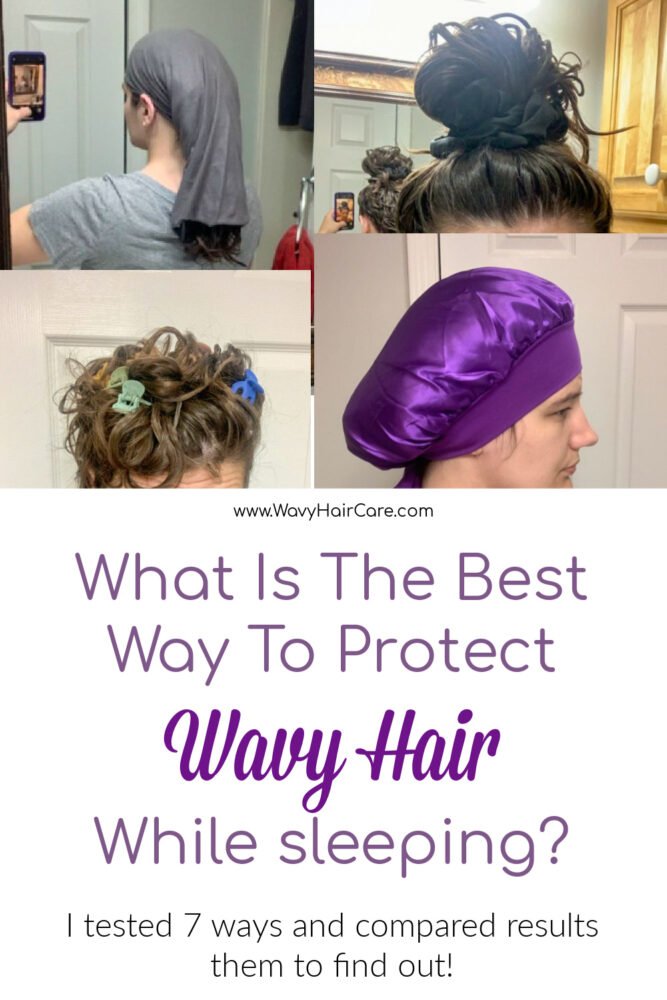
Waking up with flat, frizzy waves after a full night’s sleep is one of the most common frustrations for people with 2a to 2c wave types. Unlike straight hair, wavy strands have an S-shaped bend that creates more surface area for friction, while the looser cuticle layer makes them more prone to damage from tossing and turning. These tips are refined from 5 years of working with clients with 2a to 2c wave types, plus testing routines on my own wavy hair, so you can trust they work for real-world use. With consistent, low-effort habits and the right tools, you can preserve your wave definition, reduce breakage, and cut your morning styling time in half. This guide shares tested, stylist-approved tips for every wavy hair type, no expensive products or complicated routines required.
Why Proper Sleep Habits Are Non-Negotiable For Wavy Hair
The friction caused by tossing and turning on rough fabrics like cotton pillowcases rubs the hair cuticle open, leading to frizz, split ends, and loss of wave definition over time. Repeated pressure from your sleep position also flattens roots and creates uneven texture, making waves look dull and lifeless by morning. Hair care research from the American Academy of Dermatology confirms that repeated friction against rough fabrics like cotton is a leading cause of cuticle damage and frizz for wavy and curly hair types American Academy of Dermatology hair care recommendations. Your preferred sleep position also impacts wave definition, as repeated pressure on one side of the head flattens waves and creates uneven texture sleep position impact. You can also read our guide on deep sleep tips.
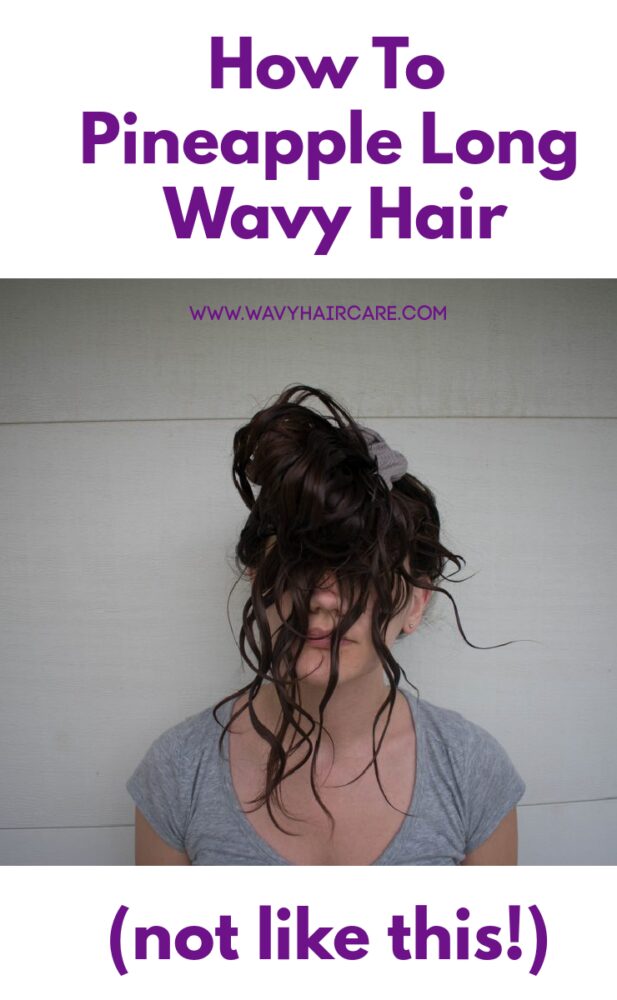 The loose pineapple method keeps wavy hair off the pillow while preserving root volume and wave definition.
Source: wavyhaircare
The loose pineapple method keeps wavy hair off the pillow while preserving root volume and wave definition.
Source: wavyhaircare
Pre-Sleep Prep: Build A Repeatable Evening Routine For Defined Waves
A 5–10 minute evening routine sets your waves up for success overnight, locking in moisture and reducing friction before you even get into bed. The key is to keep steps simple and consistent, so you don’t skip them on busy nights. Adjust the routine to your wave type and hair thickness for best results.
 Detangling damp wavy hair with a wide-tooth comb reduces breakage and prevents overnight matting.
Source: youtube
Detangling damp wavy hair with a wide-tooth comb reduces breakage and prevents overnight matting.
Source: youtube
- Adjust your wash schedule to your wave type: Fine 2a waves can go 3–4 days between washes, while medium to thick 2b/2c waves do best with 2–3 days between shampoos. This preserves natural sebum that locks in moisture and holds your wave pattern, while overwashing strips oils and leads to dry, frizzy waves that flatten overnight.
- Detangle gently when hair is 80% damp: Use a wide-tooth comb or your fingers, starting at the ends and working up in 1-inch sections to avoid pulling and breakage. Never detangle dry wavy hair, as this disrupts the wave pattern and causes frizz. If you wash your hair right before bed and notice dryness the next day, our tips for repairing wet hair damage can help restore moisture repairing wet hair damage.
- Apply a lightweight leave-in product: Use a pea-sized amount of alcohol-free curl cream or leave-in conditioner for fine waves, or a quarter-sized amount for thick waves, focused on mid-lengths and ends. Avoid the roots to prevent greasiness. Aloe-based formulas work best for fine waves, while shea butter or argan oil-infused products add moisture to thick, porous waves.
- Blot, don’t rub, excess water: If your hair is still damp, use a microfiber towel or soft cotton T-shirt to blot water from the roots down to the ends. Rubbing with a rough towel creates friction that lifts the cuticle and causes frizz. For safest practices if you must sleep with damp hair, refer to our guide on the healthiest way to sleep with wet hair healthy wet hair sleep.
- Let hair dry to 90% before bed: If you wash your hair at night, let it air dry for 15–20 minutes, or use a blow dryer on a low, cool setting to avoid heat damage. Sleeping with soaking wet hair weakens the hair shaft by up to 30%, leading to breakage and uneven waves by morning.
Bedtime Techniques To Lock In Frizz-Free Waves
The best bedtime technique for you depends on your wave type, hair length, and personal comfort. In practice, most people see the best results when they stick to one consistent method for at least 2 weeks, rather than switching between styles nightly. Below are the most effective, low-tension options for all wavy hair types:
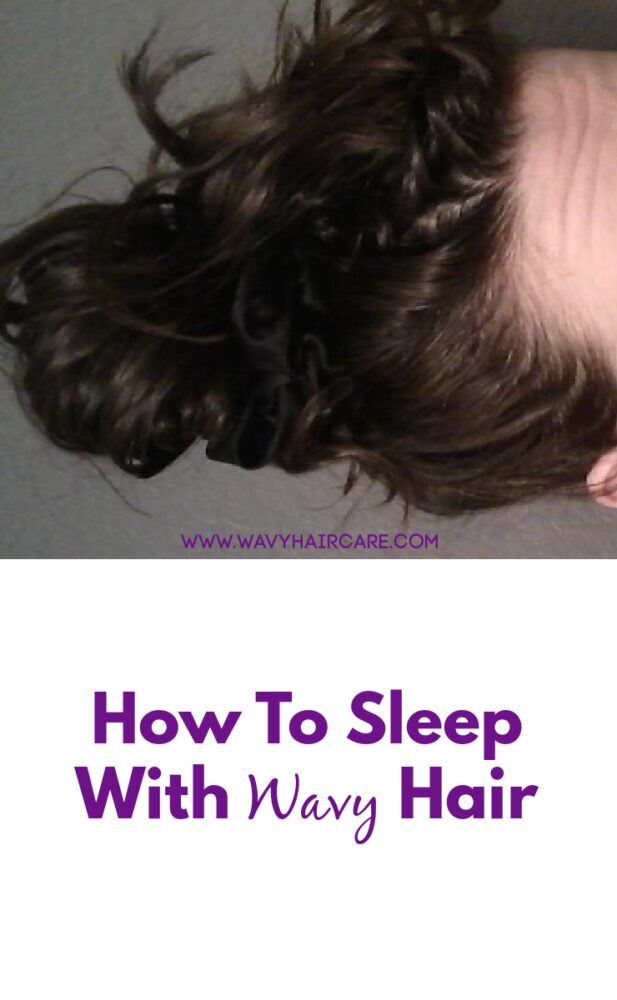 Loose braids create uniform, elongated waves by morning without heat or tight tension.
Source: wavyhaircare
Loose braids create uniform, elongated waves by morning without heat or tight tension.
Source: wavyhaircare
- Loose pineapple (best for 2a–2b, medium to long hair): Gather all your hair at the crown of your head, securing it with a loose silk scrunchie 2–3 inches away from your roots to avoid pulling. Let face-framing layers and baby hairs fall freely to avoid creases. This keeps waves off the pillow while preserving root volume, so you wake up with lift at the crown. In practice, switching from tight ponytails to the loose pineapple eliminated the deep dents in my waves and cut my morning styling time from 15 minutes to 2 minutes.
- Single or double loose braid (best for 2b–2c, thick or long hair): Divide your hair into 1 or 2 equal sections, braiding loosely 3/4 of the way down the hair shaft. Secure the end with a silk spiral hair tie, making sure the braid has enough slack to move without tension. Loose braids create soft, uniform waves by morning, no heat required.
- Silk bonnet or scarf (best for all wave types, extra frizz protection): Choose a 100% silk or satin bonnet that fits snugly but not tight, or wrap a silk scarf loosely around your hair, tucking the ends under the scarf to avoid slipping. This eliminates friction entirely, locks in moisture from your leave-in product, and prevents pillow-induced frizz. If you use a gel cast to define your waves, our guide to wearing a gel cast overnight helps you lock in definition without a bonnet wearing a gel cast overnight.
- Half-up, half-down method (best for short wavy hair, chin to shoulder length): Pull only the top half of your hair back into a loose scrunchie, leaving the bottom layers down. This prevents the bottom layers from rubbing against the pillowcase and causing frizz, while keeping the top layers from flattening against your head. For shorter wavy hair that falls in your face overnight, our tips for keeping hair off your face while you sleep work well paired with a loose pineapple keeping hair off your face.
Note: Avoid tight ponytails, buns, or clips that pull at the roots, as these cause traction damage over time and leave deep, hard-to-remove dents in your wave pattern. You can also read our guide on how to clean sleeping mask.
Essential Tools And Products For Frizz-Free Overnight Waves
Investing in a few high-quality, hair-friendly tools makes your overnight routine far more effective, and most of these items last for years with proper care. Prioritize smooth, low-friction materials to minimize damage and frizz.
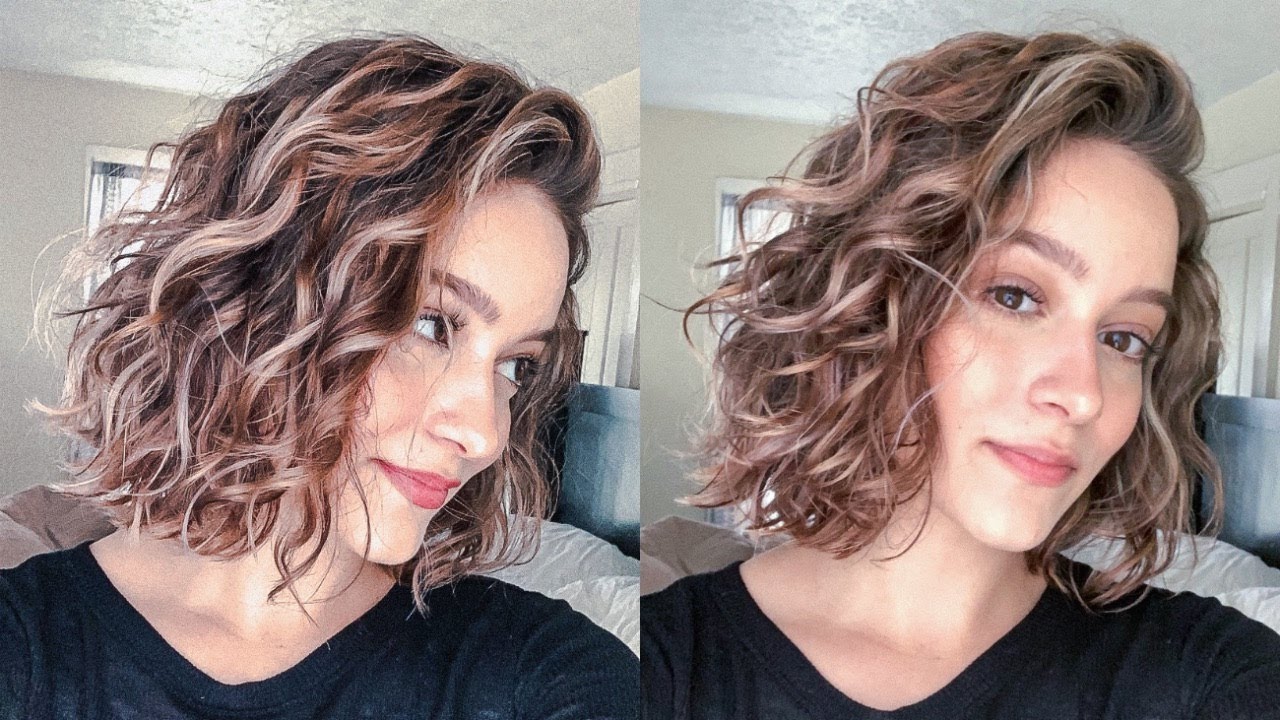 Silk pillowcases and scrunchies reduce friction by up to 90% compared to cotton, cutting down on frizz and breakage.
Source: youtube
Silk pillowcases and scrunchies reduce friction by up to 90% compared to cotton, cutting down on frizz and breakage.
Source: youtube
- 100% mulberry silk or satin pillowcase: Look for a tightly woven mulberry silk pillowcase, which has a smoother surface than satin blends and reduces friction far more effectively than cotton. A standard queen size fits most bed setups, and a good silk pillowcase will last 1–2 years with regular washing.
- Silk scrunchies or spiral hair ties: Avoid elastic bands with metal clasps or tight grips, which pull hair and cause dents. Silk scrunchies have no crease-inducing edges, while spiral hair ties distribute pressure evenly across the hair shaft to prevent breakage.
- Microfiber towel or soft cotton T-shirt: Use these only to blot excess water from damp hair, never rub. Microfiber is more absorbent than cotton, so it cuts down on drying time and friction.
- Alcohol-free leave-in conditioner or curl cream: Check ingredient labels for drying alcohols like SD alcohol or denatured alcohol, which strip moisture from wavy hair. Look for glycerin, aloe vera, or coconut oil for fine waves, and shea butter or argan oil for thick, porous waves.
- Lightweight hair serum or oil: Apply a pea-sized amount only to the ends of your hair to avoid greasiness. Argan oil, jojoba oil, or marula oil absorb quickly and lock in moisture without weighing down waves.
- Wide-tooth comb: Opt for a comb with widely spaced teeth (at least 1cm apart) to detangle without disrupting your wave pattern. Avoid fine-tooth combs or boar bristle brushes on wavy hair, as they cause frizz and flatten waves.
Quick Morning Refresh Tips To Restore Your Waves
Even with the best overnight routine, you may need a quick 2–5 minute refresh in the morning to revive your waves and eliminate any leftover frizz. Skip the heavy styling products and stick to these gentle, pattern-friendly steps:
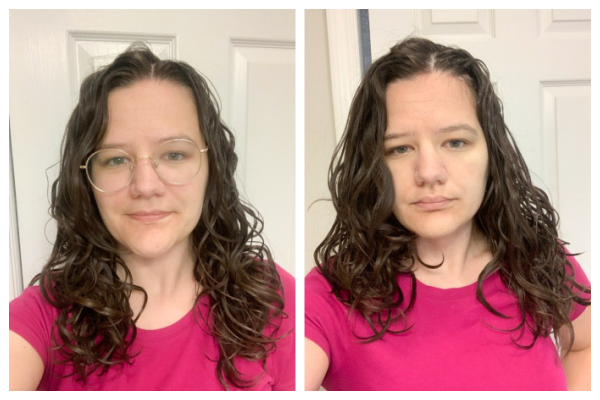 Waking up with a silk bonnet keeps waves defined and eliminates pillow-induced frizz, as shown in this side-by-side comparison.
Source: wavyhaircare
Waking up with a silk bonnet keeps waves defined and eliminates pillow-induced frizz, as shown in this side-by-side comparison.
Source: wavyhaircare
- Spritz with a moisture mist: Fill a spray bottle with 1 cup lukewarm water mixed with 1 teaspoon of leave-in conditioner. Spritz roots and mid-lengths lightly, then scrunch with your palms to reactivate your wave pattern. For fine waves, use less product to avoid greasiness. If you occasionally sleep with damp wavy hair, our guide to wet hair bedtime styles helps you avoid breakage and frizz wet hair bedtime styles.
- Apply a tiny amount of product: Warm a pea-sized amount of curl cream or serum between your palms, then scrunch into the ends and any frizzy sections. Avoid applying to the roots, as this will flatten volume.
- Re-pineapple for 10 minutes: If your roots are flat, gather your hair into a loose pineapple again for 10 minutes while you get ready for the day. This lifts the roots without creating new dents, giving you immediate volume.
- Low-heat diffusing (optional): If your waves are still damp, use a hair dryer on low heat with a diffuser attachment. Hold the diffuser against your hair, don’t rub it, and let it sit for 30 seconds per section to dry without disrupting the wave pattern.
- Finger-style to separate: Use your fingers to gently separate any clumped waves, creating a more natural, piece-y look. Avoid brushing, as this will cause immediate frizz and flatten your waves.
Common Mistakes That Sabotage Your Overnight Waves
Even small, consistent mistakes can undo all your hard work and leave you with frizzy, undefined waves by morning. Avoid these common pitfalls to see faster, more consistent results:
 Tight ponytails create deep dents in wavy hair and cause traction damage over time, a common mistake to avoid.
Source: youtube
Tight ponytails create deep dents in wavy hair and cause traction damage over time, a common mistake to avoid.
Source: youtube
- Tight hairstyles: High ponytails, tight buns, or clips that pull at the roots cause traction alopecia over time and leave deep dents in your wave pattern that are hard to fix in the morning. Always use low-tension styles and soft accessories.
- Heavy night products: Using gel, mousse, or hairspray designed for daytime hold at night weighs your waves down, leading to flat, crunchy hair by morning. Stick to lightweight, moisturizing products for sleep.
- Sleeping with soaking wet hair: Wet hair is 30% weaker than dry hair, so tossing and turning stretches the hair shaft, leading to breakage and split ends. If you wash your hair at night, wait until it’s 90% dry before bed, or use a silk bonnet to reduce friction. If you struggle to remember to dry your hair before bed, our tips for avoiding wet hair sleep make the routine stick avoiding wet hair sleep.
- Rough fabrics: Cotton pillowcases, terry cloth towels, or rough cotton T-shirts create friction that rubs the hair cuticle open, causing frizz and tangles. Always use smooth fabrics for any contact with your hair.
- Switching techniques constantly: Wavy hair takes 2–4 weeks to adjust to a new sleep routine, so switching between pineapple, braids, and bonnets every night won’t give you consistent results. Stick to one method for at least 2 weeks before adjusting.
- Skipping pre-sleep detangling: Tangles turn into matted knots overnight, leading to breakage when you try to detangle in the morning. Always detangle damp hair before bed to avoid this.
Frequently Asked Questions About Sleeping With Wavy Hair
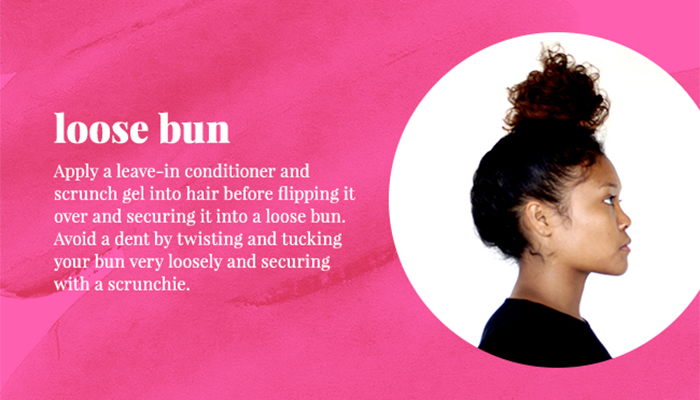 A 100% silk bonnet provides full coverage for wavy hair, locking in moisture and eliminating friction while you sleep.
Source: beautycon
A 100% silk bonnet provides full coverage for wavy hair, locking in moisture and eliminating friction while you sleep.
Source: beautycon
How long does it take to see less frizz from a new sleep routine?
Most people see a 30–50% reduction in overnight frizz within 1–2 weeks of sticking to a consistent routine, as long as they use low-friction tools and avoid tight hairstyles. For significant improvement in wave definition and reduction in split ends, give it 4–6 weeks, as damaged ends are trimmed and new healthy hair grows in. You can also read our guide on sleep anxiety.
Can I sleep with a silk scarf or bonnet every night?
Yes, wearing a silk scarf or bonnet nightly is completely safe and beneficial for all wavy hair types. It reduces friction, preserves wave shape, and locks in moisture from your overnight products without drying hair out. Just be sure to wash your bonnet or scarf once a week to avoid product buildup.
Is it okay to sleep with wavy hair in a braid or pineapple if it’s damp?
Avoid sleeping with fully wet hair tightly styled, as wet hair is far more prone to breakage. If your hair is damp (not soaking wet), a loose braid or pineapple paired with a silk pillowcase is safe, and can even help set your wave pattern as it dries.
Will hair ties cause breakage if I pineapple every night?
Only if you use tight elastic bands or pull the scrunchie too tight. Soft silk scrunchies or spiral hair ties distribute pressure evenly across the hair shaft, so they won’t cause breakage or dents if used correctly.
What product should I use before bed for best results?
Choose a lightweight, alcohol-free leave-in conditioner or curl cream suited to your hair thickness. Fine waves do best with water-based, aloe-infused formulas, while thick waves benefit from products with shea butter or argan oil for extra moisture. Apply sparingly to mid-lengths and ends to avoid weighing your waves down.
Can I sleep with wavy hair if I use heat styling tools regularly?
Yes, but add an extra layer of protection: apply a heat protectant spray before styling, then use a silk bonnet at night to lock in moisture and prevent heat-damaged hair from breaking. Avoid sleeping with hair that was recently flat-ironed or curled, as the heat makes the hair shaft extra fragile.
Do I need to wear a silk bonnet every night, or is a silk pillowcase enough?
For fine or short wavy hair, a silk pillowcase is usually sufficient to reduce friction and frizz. For thick, long, or highly porous wavy hair, a silk bonnet adds an extra layer of protection, especially if you toss and turn a lot in your sleep. You can also use both for maximum frizz protection.
Conclusion
Waking up with frizz-free, defined wavy hair doesn’t require hours of styling or expensive products — it comes down to consistent, gentle habits that work with your hair’s natural pattern instead of against it. Start with one small change this week: swap your cotton pillowcase for a silk one, or try the loose pineapple method for 3 nights in a row. Track how your waves look in the morning, and adjust your routine as needed to fit your hair type and lifestyle. For more tips to protect your hair while you sleep, browse our full library of hair and sleep guides.
Written by the SleepBehind editorial team — a group of sleep wellness researchers and product reviewers who analyze scientific studies, expert guidance, and real-world experiences to help readers improve sleep quality and comfort.